


Your skin usually tells you when its barrier is struggling. It starts to sting when you apply products that never bothered you before. Dry patches linger no matter how much moisturizer you use. Redness shows up faster, and breakouts can sit right beside flakes and tightness. When that happens, choosing the best products for skin barrier support is less about chasing trends and more about giving your skin a calmer, simpler path back to balance.
A healthy skin barrier helps keep moisture in and irritation out. When it is compromised, skin can feel reactive, dehydrated, rough, or unusually shiny from overcompensating oil production. The good news is that barrier repair does not usually require an overflowing shelf. It requires the right categories, the right ingredients, and a little restraint.
What the best products for skin barrier support actually do
Barrier-supportive skincare is designed to reduce stress on the skin while replenishing what it needs to function well. In practical terms, that means products that cleanse without stripping, hydrate without overwhelming, and moisturize with ingredients that reinforce the skin's natural protective layer.
The most helpful formulas often include ceramides, glycerin, hyaluronic acid, squalane, panthenol, colloidal oatmeal, fatty acids, and niacinamide in skin-friendly amounts. These ingredients can help attract water, reduce visible irritation, soften rough texture, and support recovery. But even good ingredients can backfire if the formula is too fragranced, too active, or too harsh for your current skin condition.
That is why skin barrier care is often about subtraction as much as addition. If your skin feels inflamed, this may not be the time for multiple exfoliating acids, strong retinoids, or heavily fragranced products. A simpler routine can work surprisingly well.
Start with a gentle cleanser
If your cleanser leaves your face feeling squeaky, tight, or hot, it may be doing too much. One of the best products for skin barrier repair is often the most overlooked one - a cleanser that removes sunscreen, makeup, and daily buildup without stripping away essential moisture.
Look for cream, milk, or low-foam gel cleansers with hydrating ingredients such as glycerin or ceramides. These tend to suit dry, sensitive, or barrier-impaired skin better than aggressive foaming formulas. If you wear heavy makeup or water-resistant sunscreen, double cleansing can still work, but keep the first cleanse gentle and the second one mild.
If your skin is very reactive, washing with lukewarm water once in the morning and using cleanser only at night may feel better than a full cleanse twice a day. It depends on your skin type, climate, and how much oil or sweat you produce.
Choose a hydrating serum that calms, not stimulates
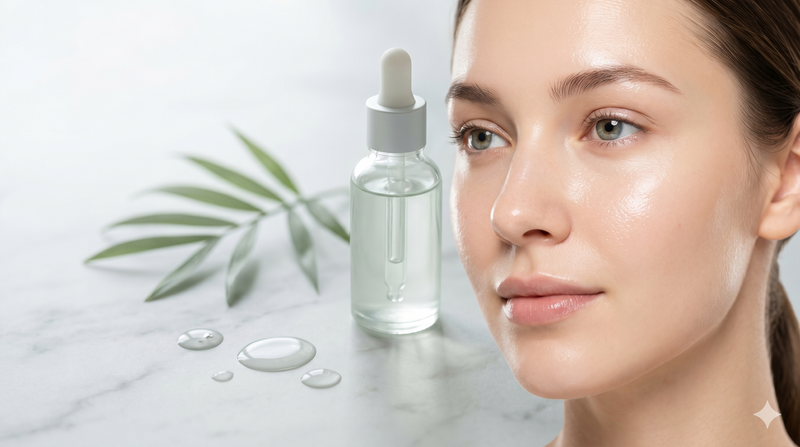
A good hydrating serum can make your moisturizer work better because it gives the skin more water to hold onto. For a stressed barrier, the goal is comfort. Serums with hyaluronic acid, glycerin, panthenol, beta-glucan, aloe, or polyglutamic acid can help ease that tight, thirsty feeling.
This is also where niacinamide can be useful, but formula strength matters. Lower percentages are often easier for sensitive skin to tolerate, while high-strength niacinamide products can sometimes cause flushing or irritation, especially when your barrier is already compromised.
If your skin burns when you apply even a basic serum, pause and go back to cleanser, moisturizer, and sunscreen only. There is no prize for pushing through discomfort.
Moisturizers with ceramides are often the real workhorses
When people ask about the best products for skin barrier recovery, moisturizers are usually the most important answer. A well-formulated barrier cream helps reduce water loss and gives skin the lipids and emollients it needs to feel smooth and resilient again.
Ceramides are especially valuable because they are naturally found in the skin barrier. Cholesterol and fatty acids also matter, and many excellent moisturizers combine all three. Together, they help support the skin's protective structure rather than simply coating the surface.
Texture matters here. A lightweight lotion may be enough for combination or acne-prone skin, especially in humid weather. A richer cream or balm may be more helpful for mature, very dry, or over-exfoliated skin. If you are prone to congestion, you do not need to avoid richer products altogether, but you may need to choose formulas that balance nourishment with breathability.
Facial oils and balms can help seal everything in
Not everyone needs a face oil, but for some skin types, it can be a helpful final step. Squalane is one of the easiest oils for many people to tolerate because it is lightweight, non-greasy, and supportive of softness. Jojoba oil can also work well, especially for skin that needs comfort without feeling heavy.
Balms and occlusive ointments are even more protective. They can be especially helpful around the nose, lips, and other areas that crack or peel easily. Petrolatum-based products are often very effective for sealing in moisture, even though some people prefer plant-based alternatives for personal reasons. This is a good example of where preference and skin response both matter.
If you are acne-prone, use thicker balms strategically instead of all over the face unless you know your skin tolerates them well.
Sunscreen is non-negotiable when your barrier is compromised
A damaged barrier is more vulnerable to environmental stress, and daily UV exposure can make recovery feel slower. That is why sunscreen belongs on any list of the best products for skin barrier care.
Mineral sunscreens with zinc oxide are often favored by sensitive skin, but they are not automatically better for everyone. Some mineral formulas can feel dry or leave a cast, while some chemical sunscreens are elegant and very well tolerated. The best sunscreen is the one you will wear consistently and that does not trigger irritation.
If your skin is currently reactive, look for fragrance-free formulas with moisturizing bases. A sunscreen that also feels like a comfortable daytime moisturizer can make your routine easier to maintain.
What to avoid while your barrier heals
Barrier repair products can only do so much if the rest of your routine keeps creating irritation. During a reset phase, it helps to step away from harsh scrubs, frequent exfoliating acids, strong retinoids, drying acne spot treatments, and highly fragranced skincare.
This does not mean those categories are always bad. It means timing matters. Once your skin feels calm, hydrated, and stable again, you may be able to reintroduce actives slowly. If your skin is acne-prone, this part can feel frustrating because you may worry that stopping strong treatments will cause breakouts. Sometimes a temporary pullback is exactly what allows the skin to tolerate treatment better later.
How to build a simple barrier-support routine
A strong routine for barrier support is usually very short. In the morning, use a gentle cleanse if needed, a hydrating serum if your skin enjoys it, a ceramide-rich moisturizer, and sunscreen. At night, cleanse, moisturize, and add a balm or oil if you need more protection.
That is enough for many people. If you want to include an active ingredient, consider adding only one and using it sparingly at first. Watch how your skin behaves for at least two weeks before making another change.
Consistency matters more than variety. Using a few simple, effective formulas every day often gives better results than rotating through a dozen products with overlapping claims.
When professional guidance makes a difference
If your skin barrier stays irritated for weeks, or you are dealing with persistent acne, rosacea-like redness, eczema, or peeling that does not improve, it may be time for a more personalized plan. Sometimes the issue is not only a damaged barrier but also an underlying skin condition or an overcomplicated routine that needs editing.
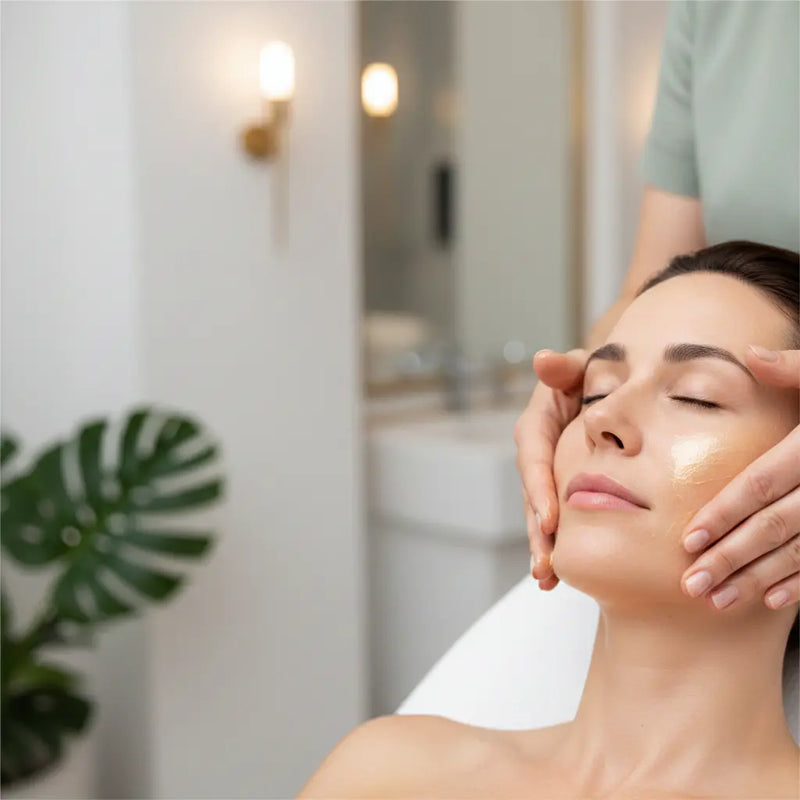
This is where professional support can be especially helpful. A guided facial plan or a one-on-one skincare consultation can take the guesswork out of product shopping and help you choose formulas that fit your skin's real needs, not just the latest label trend. For clients in Babcock Ranch, Fort Myers, or Cape Coral, having access to both treatment support and home-care recommendations can make barrier recovery feel much more manageable.
Healthy skin rarely comes from doing the most. More often, it comes from doing the right things gently, consistently, and long enough for your skin to respond. If your barrier is asking for a reset, listen to it. A calmer routine is often where real progress begins.


