


Some skin days call for comfort. Others call for correction. If you have been weighing a custom facial vs chemical peel, the right choice usually comes down to what your skin is asking for right now, not which treatment sounds more advanced.
Both services can improve tone, texture, and overall radiance, but they work in very different ways. A custom facial is flexible, nurturing, and designed around your skin’s current condition. A chemical peel is more targeted and corrective, using carefully selected acids to encourage exfoliation and skin renewal. Neither is automatically better. The better treatment is the one that matches your concerns, your sensitivity level, and your comfort with downtime.
Custom facial vs chemical peel: the core difference
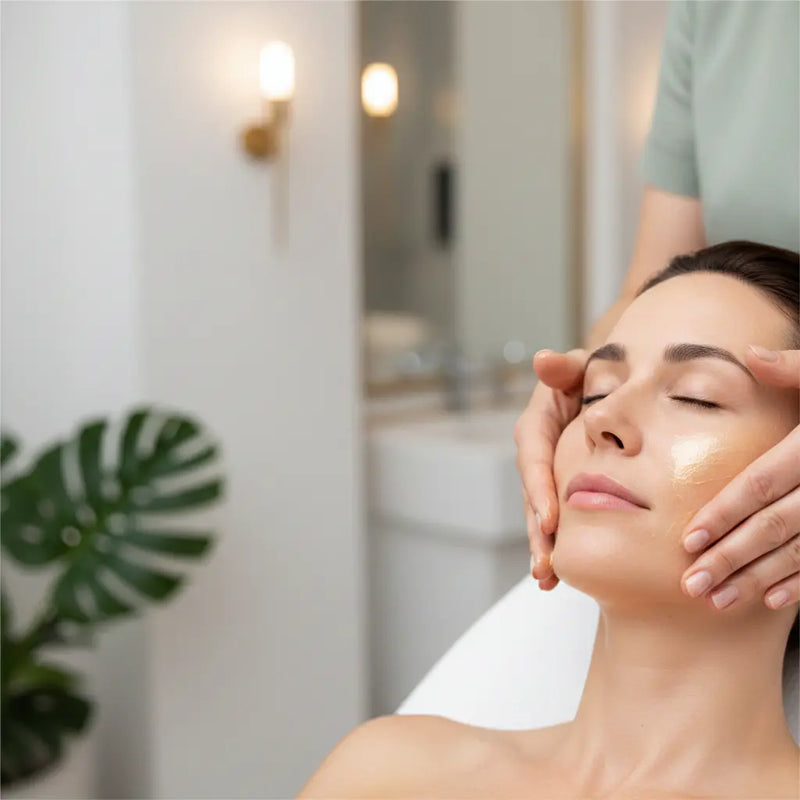
A custom facial is a personalized treatment that can include cleansing, exfoliation, extractions, hydration, soothing masks, massage, and treatment serums based on your skin’s needs that day. It is adaptable by design. If your skin is dry, reactive, congested, dull, or simply out of balance, the treatment can shift to support that.
A chemical peel is a more focused resurfacing treatment. It uses exfoliating acids, often from ingredients like glycolic, lactic, salicylic, or mandelic acid, to loosen dead skin cells and speed up cell turnover. Depending on the type and strength, a peel can help with acne, discoloration, rough texture, and early signs of aging.
Think of it this way: a custom facial tends to support the skin broadly, while a chemical peel is usually chosen to address a specific issue more aggressively.
When a custom facial makes more sense
If your skin feels unpredictable, a custom facial is often the safer and more practical first step. This is especially true if you are dealing with dryness, dehydration, redness, mild congestion, or a compromised skin barrier. Many people assume stronger treatments always bring better results, but skin that is irritated or overworked rarely responds well to more intensity.
A custom facial also makes sense if you are newer to professional skincare. It gives your esthetician a chance to assess your skin in real time, learn how it reacts, and build a treatment plan without pushing too far too fast. For clients who want healthy, radiant skin with little to no downtime, this option is often the most approachable.
There is also the self-care side of it, and that matters. A facial tends to feel restorative. It can improve the skin while also helping you slow down, reset, and leave looking refreshed rather than visibly peeling or temporarily dry.
Best candidates for a custom facial
A custom facial is often a strong fit for sensitive skin, dry or dehydrated skin, mild acne, occasional breakouts, dullness, and maintenance between stronger treatments. It is also ideal before events when you want glow and smooth makeup application without the uncertainty of post-peel flaking.
That does not mean facials are only for maintenance. With consistency and smart at-home care, regular facials can noticeably improve clarity, hydration, and overall balance over time.
When a chemical peel is the better choice
A chemical peel is often the stronger option when you want to correct something specific. If post-acne marks linger for months, if rough texture does not improve with home exfoliation, or if sun damage has left uneven pigment, a peel may move the needle faster than a facial alone.
This treatment is especially useful when the goal is controlled exfoliation. Rather than simply polishing the surface, a peel encourages the skin to shed built-up cells more efficiently. That can help brighten discoloration, smooth texture, reduce clogged pores, and soften the look of fine lines.
For acne-prone skin, the right peel can be helpful, but this is where customization matters. Not every breakout benefits from a stronger treatment, and not every acid suits every skin type. Inflamed, sensitive, or barrier-impaired skin may need calming support before peel series are introduced.
Best candidates for a chemical peel
A chemical peel may be a good fit if you are concerned about acne congestion, post-inflammatory hyperpigmentation, uneven tone, sun damage, rough texture, or mild fine lines. It can also suit clients who are comfortable with some temporary dryness or flaking in exchange for more corrective results.
If you want a single treatment that feels more active and goal-driven, a peel often fits that expectation better than a classic facial.
What results should you expect?
A custom facial often delivers immediate softness, hydration, and visible freshness. Skin may look smoother, calmer, and more luminous right away. Those results can be impressive, but they are usually best maintained through regular appointments and a simple home routine.
A chemical peel can also bring brightness, but the timeline is a little different. Depending on the peel, your skin may feel tight, dry, or flaky before the smoother, clearer result becomes visible. The payoff tends to be more corrective, especially when done as part of a planned series.
This is one of the biggest trade-offs in the custom facial vs chemical peel conversation. Facials usually offer comfort and instant glow. Peels often ask for more patience but may deliver stronger improvement for concerns like discoloration or texture.
Downtime, sensitivity, and daily life
For many busy women, the deciding factor is not the treatment itself. It is what happens after.
A custom facial usually has minimal downtime. You may leave slightly pink if extractions were done, but most people return to work, errands, or dinner plans the same day. Makeup often goes on more smoothly, and skin generally feels calm rather than stressed.
A chemical peel can be very manageable, but it still comes with more variables. Some peels are light and cause only mild dryness. Others may lead to visible peeling, temporary sensitivity, and a stronger need to avoid heat, sun exposure, and active skincare products for several days.
If you have an upcoming event, photos, travel plans, or a lot of time outdoors, timing matters. A peel right before a beach weekend in Southwest Florida is usually not the smartest move. In that situation, a custom facial may be the more skin-friendly choice.
Which treatment is better for acne?
This depends on the kind of acne and the condition of your skin barrier.
If your skin is oily, congested, and prone to blackheads or recurring clogged pores, a chemical peel may help clear buildup more efficiently. Salicylic acid and other acne-focused peel ingredients can support clearer pores and reduce the chance of future congestion.
If your acne is inflamed, your skin is easily irritated, or you are also dealing with dryness from acne products, a custom facial may be the better place to start. Gentle exfoliation, calming ingredients, and thoughtful extractions can improve breakouts without pushing the skin into more inflammation.
For many clients, the best acne plan is not one or the other forever. It is a combination over time, guided by how the skin is behaving in the moment.
How to choose between a custom facial and a chemical peel
Start with your main goal. If you want hydration, balance, maintenance, or a treatment that can adapt to whatever your skin is doing that week, choose a custom facial. If your main goal is correction, especially for texture, pigmentation, or stubborn congestion, a chemical peel may be more effective.
Then think about sensitivity. Skin that stings easily, flushes often, or feels tight after washing usually benefits from a gentler approach first. A healthy barrier gives any treatment a better chance of success.
Finally, be honest about downtime and routine. A peel only works well when followed by the right aftercare, including daily sunscreen and a pause on harsh products. If that feels unrealistic right now, a custom facial may be the more sustainable option.
At Lumina Skin Sanctuary, this is why personalized guidance matters. A treatment should fit your skin and your life, not just your wish list.
The best answer is sometimes both
It is easy to frame this as a choice between gentle and effective, but that is too simplistic. A well-designed facial can be highly effective. A carefully selected peel can still be respectful of the skin. In many cases, the most thoughtful plan includes both at different times.
You might begin with a custom facial to calm dehydration, strengthen the barrier, and learn how your skin responds. Later, once the skin is more balanced, a peel series may help target lingering acne marks or uneven texture. Or you may use facials for ongoing maintenance and schedule peels seasonally when correction is the priority.
Healthy skin is rarely built through one dramatic treatment. It is built through consistency, timing, and choosing what your skin can benefit from now.
If you are deciding between a custom facial and a chemical peel, let your skin’s condition lead the conversation. The right treatment should leave you looking better, feeling comfortable, and confident in what comes next.


