


TL;DR:
- Facial massage enhances skin health primarily through lymphatic drainage, microcirculation, and muscle tension release.
- It provides temporary benefits like reduced puffiness and improved skin tone but cannot correct deep structural aging changes.
Facial massage is a therapeutic technique that improves skin health by stimulating lymphatic drainage, increasing blood flow, and relaxing facial muscles. The role of facial massage in treatment extends beyond surface-level relaxation. It produces measurable physiological changes in the skin’s fluid dynamics, microcirculation, and soft tissue tension. Understanding what it can and cannot do is the difference between realistic results and disappointment.
How does facial massage improve skin health?
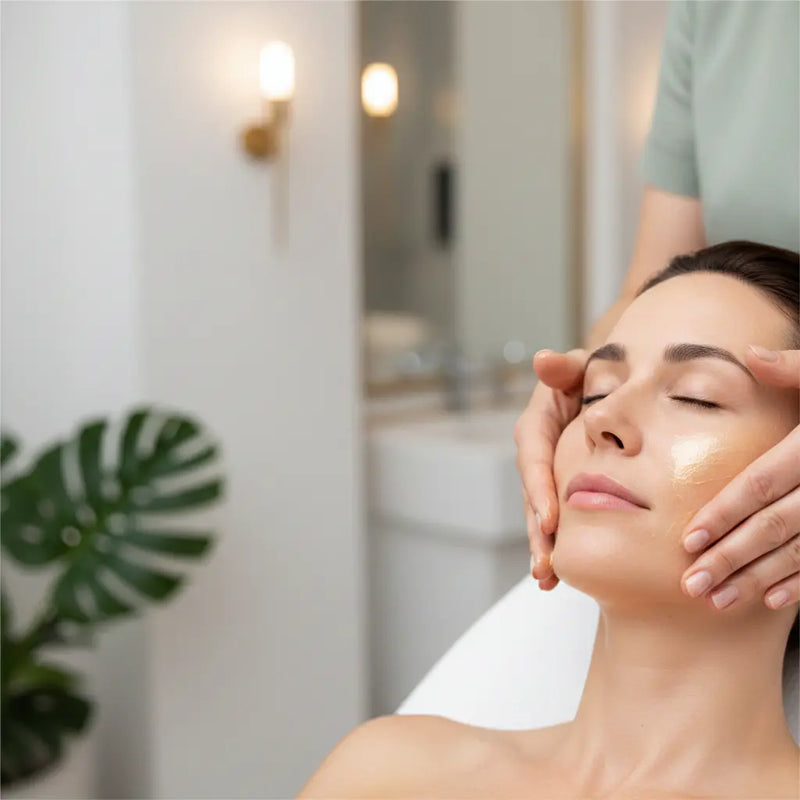
Facial massage improves skin health through three primary mechanisms: lymphatic drainage, increased microcirculation, and reduced inflammation. Each mechanism targets a different layer of the skin’s function. Together, they produce the visible and tactile improvements most people associate with a good facial treatment.

Lymphatic drainage and puffiness reduction
The lymphatic system moves waste fluid away from tissues. When lymph flow slows, fluid accumulates under the skin, creating puffiness, especially around the eyes and jaw. Facial massage manually moves this fluid along superficial lymphatic vessels, reducing swelling quickly. Lymphatic drainage effects on puffiness last approximately 4–6 hours for immediate de-puffing and 3–5 days for temporary lift effects depending on technique. That time frame matters when planning a treatment before an event or photo session.
Microcirculation and skin vitality
Increased blood flow delivers oxygen and nutrients to skin cells. Massage pressure stimulates capillary activity in the dermis, which supports cellular repair and gives skin a brighter, more even tone. This is the mechanism behind the post-massage glow you see immediately after a session. Regular facial massage can train lymph fluid movement habits, producing longer-lasting reductions in puffiness and a more lifted appearance over time.
Key benefits at a glance
- Lymphatic drainage: Reduces morning puffiness and fluid retention under the eyes and along the jawline
- Microcirculation boost: Delivers oxygen and nutrients to skin cells, improving tone and brightness
- Muscle tension release: Relaxes the frontalis, masseter, and temporalis muscles, softening expression lines
- Stress-mediated inflammation: Reduces cortisol-driven skin reactivity, which can worsen redness and sensitivity
- Fascial release: Loosens connective tissue adhesions that contribute to skin texture irregularities
Pro Tip: Apply facial massage in the morning rather than at night if your goal is de-puffing. Lymphatic fluid accumulates during sleep, so morning drainage produces the most visible immediate results.
What are the realistic limits of facial massage?
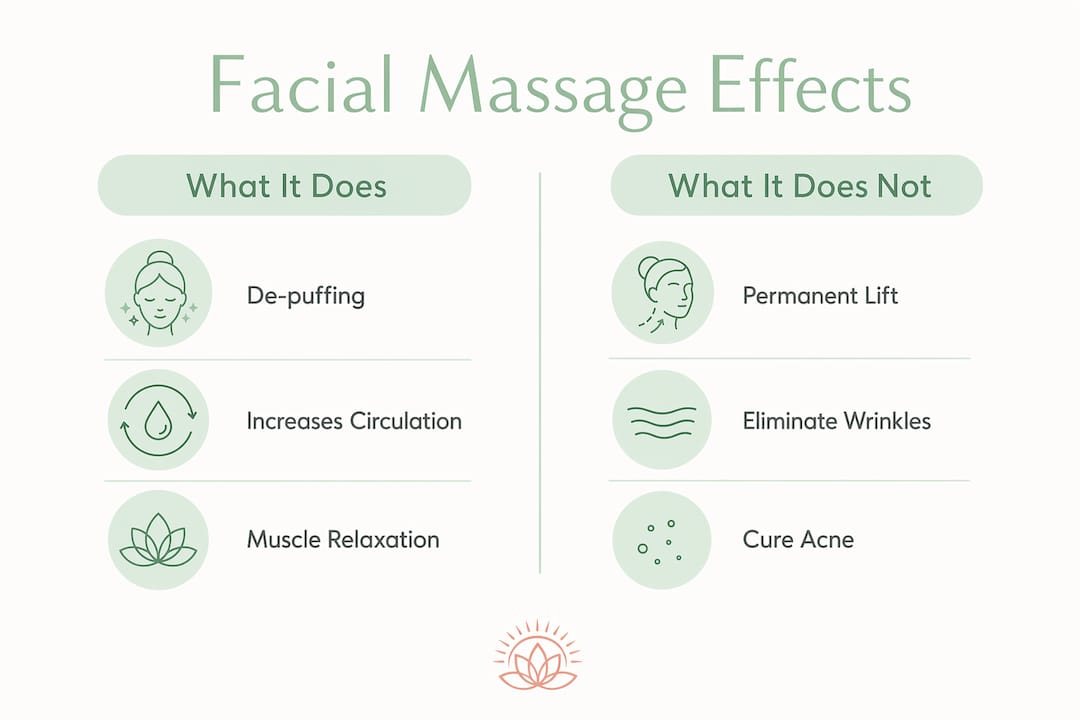
Facial massage effectiveness is real but bounded. It works through fluid dynamics and superficial tissue effects. It cannot correct deep structural aging changes such as fat compartment repositioning, ligament laxity, or collagen depletion. Conflating these different mechanisms leads directly to unrealistic expectations and frustration.
The table below separates what facial massage reliably delivers from what it cannot address.
| What Facial Massage Does | What Facial Massage Does Not Do |
|---|---|
| Reduces puffiness via lymphatic drainage | Reposition fat compartments or restore volume |
| Improves skin tone through microcirculation | Reverse structural skin laxity or sagging |
| Releases muscle tension and fascial adhesions | Replenish collagen or elastin in the dermis |
| Provides temporary contouring (3–5 days) | Produce permanent facial reshaping |
| Reduces stress-related skin inflammation | Treat active acne, rosacea, or open lesions |
Temporary contouring arises mainly by moving lymphatic fluid and releasing fascia and muscle tension. It is not structural tissue repositioning. When volume loss, deep folds, or significant skin laxity are the concern, medical aesthetic interventions such as dermal fillers, radiofrequency treatments, or surgical options become relevant. Knowing how to choose the right facial treatment for your specific concern prevents wasted time and money.
Safety considerations also apply here. People with oily or acne-prone skin should avoid excessive facial massage, and massage should be delayed after injectables or laser treatments due to the risk of irritation or infection. Active skin conditions, open wounds, and recent cosmetic procedures are all contraindications.
Pro Tip: If you have had Botox or dermal fillers within the past two weeks, skip facial massage entirely. Pressure on recently injected tissue can migrate product and compromise results.
Does facial massage have therapeutic benefits beyond skin?
Facial therapy treatment produces benefits that extend well beyond skin appearance. Current research supports its use in physiotherapy programs, pain management, and mental health contexts. These findings give facial massage a clinical dimension that most skincare discussions overlook.
- Depression symptom reduction: A randomized controlled trial showed that facial rehabilitation including massage significantly lowered MADRS depression scores compared to a control group. The connection between facial muscle activity and mood regulation is an active area of psychiatric research.
- Pain and edema management: Adding manual lymphatic drainage to standard rehabilitation produced greater improvements in breast pain and edema in patients following breast-conserving surgery and radiotherapy. This finding supports the adjunctive role of lymphatic massage in post-surgical recovery.
- Stress and cortisol reduction: Facial massage activates the parasympathetic nervous system. This reduces cortisol levels, which directly lowers stress-mediated skin inflammation and muscle tension.
- Muscle tension and headache relief: Releasing the masseter, temporalis, and frontalis muscles through targeted massage can reduce tension headaches and jaw pain associated with bruxism.
Professional guidance is critical when using facial massage for therapeutic purposes. A licensed esthetician or physiotherapist can calibrate pressure, technique, and frequency to the specific condition being addressed. Self-administered massage without proper training risks exacerbating inflammation or missing the correct lymphatic pathways entirely.
How to safely add facial massage to your routine
Facial massage techniques include lymphatic drainage, fascial release, reflexology, and buccal massage, each targeting different structures including muscles, fascia, and lymphatic vessels. The right technique depends on your goal. For most people starting out, a basic lymphatic drainage approach is the safest and most effective entry point.
Follow these steps for a safe at-home lymphatic drainage session:
- Cleanse your face thoroughly. Remove all makeup and apply a light facial oil or serum to reduce friction. Dry skin increases the risk of irritation from repeated strokes.
- Start at the neck. Use light downward strokes along the sides of the neck to open the lymphatic pathways before moving fluid from the face. This step is often skipped and is the most important.
- Work from the center outward. Use your fingertips with light pressure sweeping from the center of the face outward toward the ears and down to the neck. No tools are required. Your hands are sufficient.
- Focus on the under-eye area. Use your ring finger for the lightest possible pressure. Sweep gently from the inner corner of the eye outward toward the temple, then down to the ear.
- Address the jawline and chin. Use upward strokes along the jaw from chin to ear. This area holds significant muscle tension, especially in people who clench their teeth.
- Finish with neck drainage. Return to downward strokes along the neck to move accumulated fluid toward the clavicular lymph nodes where it exits the system.
- Limit sessions to 5–10 minutes. Longer sessions do not produce proportionally better results and increase the risk of skin irritation, especially for sensitive or reactive skin types.
For acne-prone skin, avoid massage over active breakouts entirely. Pressure on inflamed follicles spreads bacteria and worsens breakouts. Stick to areas of clear skin and use non-comedogenic oils. For sensitive skin, reduce session frequency to two or three times per week and monitor for any increase in redness. Pairing facial massage with enzyme facial treatments can enhance circulation benefits while supporting surface-level exfoliation.
Key takeaways
Facial massage improves skin health through lymphatic drainage, microcirculation, and muscle tension release, but it cannot reverse structural aging or replace medical aesthetic treatments.
| Point | Details |
|---|---|
| Primary mechanisms | Lymphatic drainage, microcirculation, and muscle tension release drive all measurable benefits. |
| Realistic time frame | De-puffing lasts 4–6 hours; temporary contouring effects last up to 3–5 days. |
| Structural limits | Massage does not reposition fat, restore collagen, or correct skin laxity. |
| Therapeutic benefits | Clinical research supports facial massage for depression symptom reduction and post-surgical edema management. |
| Safety first | Avoid massage over active acne, open lesions, or within two weeks of injectables or laser treatments. |
What i’ve learned after years of watching clients expect too much
By Kira Tia
The most common mistake I see is treating facial massage as a substitute for structural skin treatment. Clients come in after weeks of at-home gua sha or facial rolling expecting the same results they would get from radiofrequency or filler. The physiology simply does not support that outcome.
What facial massage genuinely does well is often undervalued. The lymphatic and microcirculatory effects are real and clinically supported. The mental wellness dimension, specifically the parasympathetic activation and mood benefits documented in the 2026 FaReWell Depression trial, is something most skincare conversations ignore entirely. That is a missed opportunity.
My honest recommendation is to use facial massage as a consistent part of your skincare routine, not as a standalone treatment for aging concerns. Pair it with evidence-based interventions for structural issues. Use it regularly for its genuine benefits: reduced puffiness, better skin tone, stress relief, and muscle tension release. Approach it with correct technique and appropriate pressure. The results are real when the expectations are calibrated correctly.
— Kira Tia
Professional facial massage at lumina skin sanctuary
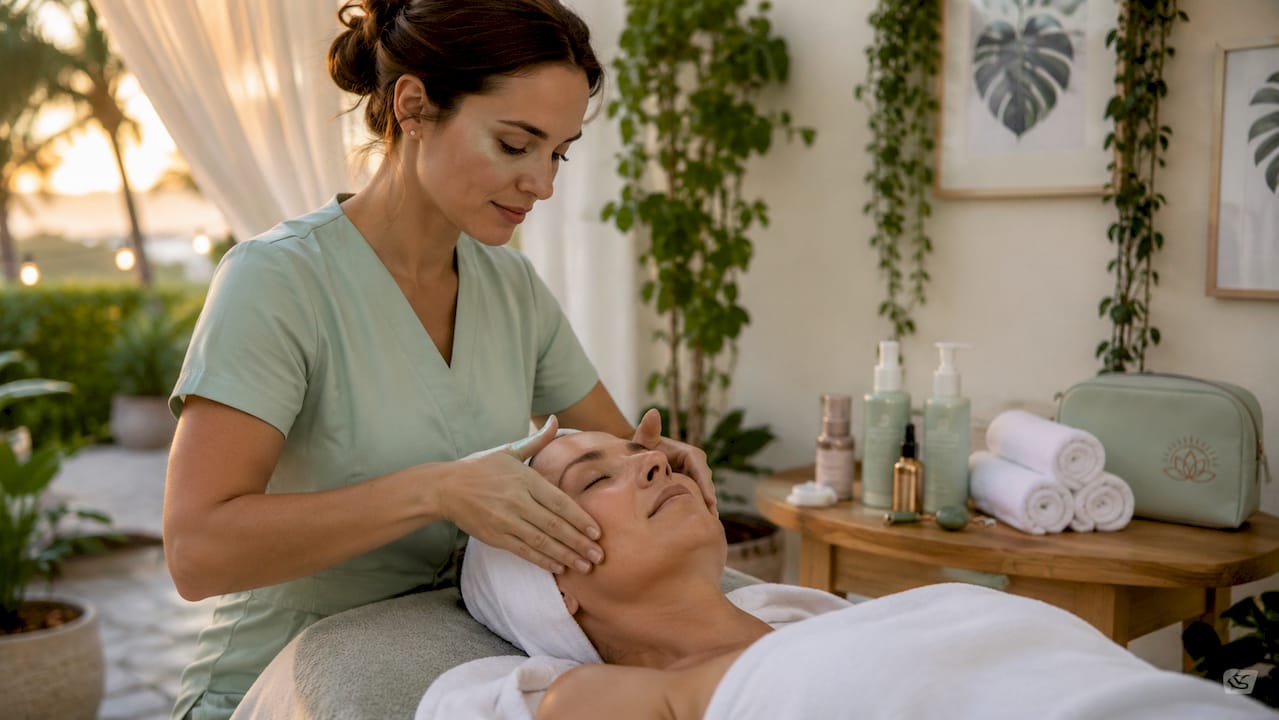
Lumina Skin Sanctuary integrates facial massage techniques into professional treatment programs designed for Florida’s specific climate challenges, including humidity-related puffiness and sun-damage-related inflammation.
At-home massage produces results, but professional technique, calibrated pressure, and medical-grade adjunct therapies produce measurably better outcomes. Lumina Skin Sanctuary’s clinic-grade facial treatments combine lymphatic drainage with galvanic current therapy to enhance fluid movement and cellular nutrient delivery simultaneously. The Galvanic Facial Treatment pairs low-level electrical current with massage to drive active ingredients deeper into the dermis while supporting lymphatic clearance. Personalized consultations guide every treatment plan, so your session addresses your specific skin concerns rather than a generic protocol.
FAQ
What is the primary role of facial massage in skin treatment?
Facial massage improves skin health mainly through lymphatic drainage, increased microcirculation, and muscle tension release. These mechanisms reduce puffiness, improve skin tone, and lower stress-related inflammation.
How long do facial massage results last?
Immediate de-puffing from lymphatic drainage lasts approximately 4–6 hours. Temporary contouring and lift effects can last 3–5 days depending on technique and consistency.
Can facial massage reduce signs of aging?
Facial massage can temporarily soften the appearance of tension-related lines and reduce puffiness, but it does not reverse structural aging such as volume loss, deep folds, or skin laxity. Those concerns require medical aesthetic interventions.
Is facial massage safe for acne-prone skin?
Facial massage should be avoided over active breakouts. Pressure on inflamed follicles spreads bacteria and worsens acne. Massage on clear areas of acne-prone skin is acceptable with light pressure and non-comedogenic oils.
How often should you perform facial massage for best results?
Three to five sessions per week is a practical frequency for most skin types. Consistent practice over time trains lymph fluid movement habits and produces longer-lasting reductions in puffiness and improved skin tone.


