



If your skin feels tight after cleansing, stings when you apply products, or seems to break out every time you try something new, your skin may not need more effort. It may need a more gentle skincare routine.
A lot of skin frustration starts with good intentions - stronger exfoliants, more active ingredients, extra steps, faster results. But skin usually responds best when it feels supported, not pushed. A routine that is calm, consistent, and well matched to your skin can do more for dryness, uneven texture, breakouts, and sensitivity than a crowded shelf ever will.
What a gentle skincare routine really means
Gentle does not mean ineffective. It means your routine is designed to protect the skin barrier while still addressing your concerns. That might look like a simple cleanser, a hydrating serum, a moisturizer that seals in comfort, and daily sunscreen. For someone with acne-prone skin, it may also include one carefully chosen treatment product used at the right pace.
The goal is not to avoid every active ingredient forever. The goal is to stop overwhelming the skin. When the barrier is compromised, even good products can start to feel irritating. Redness, flaking, sudden sensitivity, and a cycle of over-cleansing followed by heavy moisturizing are all signs that your skin may be asking for less.
A gentle routine also favors consistency over intensity. Skin tends to improve when it receives the same kind of support day after day. That is especially true if you are dealing with dryness, reactive skin, post-breakout marks, or seasonal imbalance.
Start with the barrier, not the trend
Healthy, radiant skin is built on a strong barrier. This outer layer helps keep moisture in and irritants out. When it is functioning well, skin looks smoother, feels calmer, and handles active ingredients better. When it is stressed, almost everything can feel like too much.
This is why barrier-first skincare matters. Before adding exfoliating pads, multiple acids, or a high-strength retinol, it helps to ask a simpler question: does my skin feel comfortable most of the time? If the answer is no, your first step is not to add another treatment. It is to reduce friction and rebuild balance.
That often means choosing fragrance-free or low-fragrance formulas, avoiding harsh scrubs, washing with lukewarm rather than hot water, and resisting the urge to switch products every week. Clean, gentle, and effective skincare usually looks understated from the outside. The results show up in the mirror over time.
The core steps in a gentle skincare routine
Cleanse without stripping
Your cleanser sets the tone for everything that follows. If your skin feels squeaky, dry, or itchy after washing, that cleanser may be too aggressive for daily use. A gentle cleanser should remove sunscreen, excess oil, and surface debris without leaving your face tight.
If you wear heavier makeup or water-resistant SPF, a double cleanse at night can help, but both steps should still be gentle. For many people, cleansing once in the morning is not even necessary. A rinse with water or a very mild cleanse may be enough, especially if your skin leans dry or sensitive.
Hydrate where your skin needs it
Hydration is one of the fastest ways to help skin look fresher and feel more comfortable. Humectant ingredients such as hyaluronic acid, glycerin, and panthenol can draw in water and support softness. If your skin feels dehydrated but also gets shiny, this step can be especially helpful because dehydrated skin and oily skin can exist at the same time.
A hydrating serum or essence is useful, but it is not mandatory. If your moisturizer already does this well, you do not need to force another step into the routine.
Moisturize for comfort and balance
A good moisturizer is what turns hydration into lasting support. It helps reduce transepidermal water loss and makes skin more resilient. If your skin is dry or sensitive, creamier textures may feel better. If you are acne-prone or combination, a lightweight lotion or gel-cream may be a better match.
This is where personal fit matters. Richer is not always better, and lighter is not always gentler. The right moisturizer is the one your skin will accept consistently without clogging, stinging, or leaving you uncomfortable.
Protect with sunscreen every day
If there is one non-negotiable in a gentle skincare routine, it is sunscreen. UV exposure can worsen redness, dehydration, uneven tone, and premature signs of aging. It also makes it harder for your skin to recover when you are trying to improve clarity or smoothness.
The best sunscreen is the one you will wear daily. Mineral formulas can feel more comfortable for very sensitive skin, while modern chemical formulas often offer elegant textures and easier blending. There is no universal winner. Comfort, consistency, and proper application matter more than internet debates.
When treatment products fit into a gentle routine
You do not have to avoid all targeted skincare just because your goal is gentle care. You simply need to introduce it thoughtfully.
For acne-prone skin, salicylic acid can be helpful, but daily use is not always necessary. For uneven tone or early signs of aging, retinol may be a strong option, but starting two or three nights a week is often wiser than using it nightly right away. For redness or dullness, ingredients like niacinamide or azelaic acid can support visible improvement without the harshness some stronger actives create.
The trade-off is patience. A gentler approach usually takes longer than an aggressive one, but it is also more sustainable. If your skin gets irritated and you have to stop everything for two weeks, you are not really moving faster.
A useful rule is to make only one significant change at a time. That way, if your skin reacts, you know what caused it. It also gives each product a fair chance to work.
How to adjust a gentle skincare routine by skin type
Dry or sensitive skin
Keep your routine minimal and comfort-focused. A creamy cleanser, hydrating layers, and a barrier-supportive moisturizer are usually the foundation. Exfoliation should be occasional, not constant. If your skin is easily reactive, less frequent use of active ingredients often leads to better long-term results.
Oily or acne-prone skin
Gentle care still matters. Over-drying oily skin can increase imbalance and trigger more visible irritation. Choose lightweight hydration, non-comedogenic moisturizers, and targeted acne support used in moderation. A stripped skin barrier can make breakouts harder to manage, not easier.
Combination skin
Combination skin often does best with flexible texture choices. You may prefer a lighter moisturizer during the day and a richer one at night, or targeted treatment only in congested areas. A balanced routine should respect both dryness and oiliness instead of trying to erase one side completely.
Mature skin
Skin that is becoming thinner, drier, or more reactive often benefits from a simpler, more nourishing routine. Gentle exfoliation and retinoids can still have a place, but recovery support becomes just as important as correction.
Signs your routine is too harsh
Sometimes the skin tells the story clearly. Persistent tightness, a shiny but dehydrated look, new sensitivity, burning after basic products, flaky patches, and breakouts that seem more inflamed than usual can all point to overdoing it.
If that sounds familiar, pull back. Return to a cleanser, moisturizer, and sunscreen for a week or two. Once your skin feels calmer, reintroduce treatment products slowly. This reset is often more helpful than trying to solve irritation with yet another product.
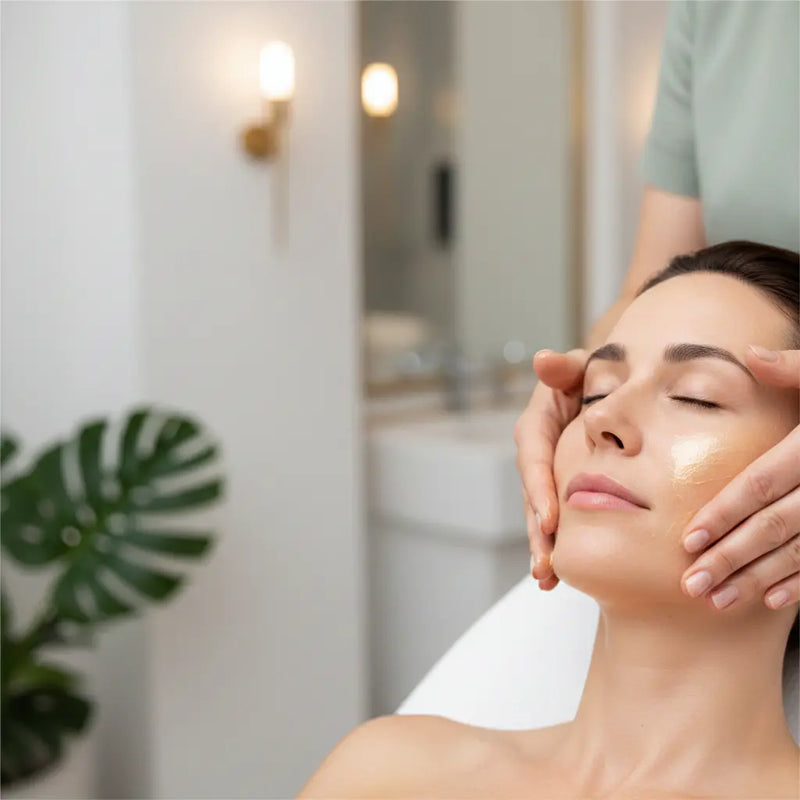
For clients receiving facials or acne-focused services, this matters even more. Professional treatments can support excellent results, but your home care routine should protect those results, not compete with them. At Lumina Skin Sanctuary, that balance between treatment and daily maintenance is where real progress happens.
Keep it simple enough to follow
The best routine is not the longest one. It is the one you can keep up with on rushed mornings, late nights, travel days, and stressful weeks. If a routine only works when life is perfectly organized, it probably is not a routine that will serve you well.
Choose products with a clear role. Give them time. Pay attention to how your skin feels, not just how a product is marketed. Healthy skin usually looks calmer before it looks dramatically transformed.
That is the quiet strength of a gentle skincare routine. It gives your skin room to recover, respond, and improve without constant friction. And when your skin feels comfortable again, everything else becomes easier - makeup sits better, flare-ups feel less frequent, and your daily care stops feeling like damage control.
If your skin has been asking for a reset, start there. Gentle is not settling. It is often the smartest way forward.


