


Acne rarely responds well to panic purchases. Most people have had that moment - standing in front of a bathroom mirror, trying to decide whether they need a stronger cleanser, a spot treatment, a facial, or a prescription. A practical guide to acne treatment options can make that decision feel less overwhelming, especially when your skin is already stressed.
The truth is, acne is not one single problem with one single fix. Breakouts can be driven by oil production, clogged pores, inflammation, hormones, friction, product buildup, or a damaged skin barrier. That is why the right treatment plan often looks different from person to person. What helps a few small clogged bumps along the forehead may not be enough for deeper, inflamed breakouts around the jawline.
What this guide to acne treatment options should help you understand
The goal is not to try everything. It is to choose the right level of care for your skin, then stay consistent long enough to judge results fairly. Acne treatment usually works best when it balances three things at once - clearing congestion, calming inflammation, and protecting skin health.
That balance matters. Skin that feels stripped, irritated, and tight may look like it is being treated aggressively, but irritation can make breakouts linger and post-acne marks more noticeable. Gentle, effective care often gets better long-term results than an overly harsh routine.
Start with the basics before adding stronger acne treatments
A simple routine can do more than people expect. If your current routine includes too many acids, frequent scrubs, or drying spot treatments layered together, scaling back may be part of the fix.
Start with a gentle cleanser, a lightweight moisturizer, and daily sunscreen. This may sound unrelated to acne, but it is foundational. A clean, balanced routine helps your skin tolerate treatment ingredients more comfortably, which improves consistency.
Once that foundation is in place, the next step is choosing active ingredients based on the kind of acne you have.
Salicylic acid for clogged pores and texture
Salicylic acid is often a strong first choice for blackheads, whiteheads, and small bumps. Because it is oil-soluble, it can move into pores and help loosen buildup. It tends to work well for congestion on the forehead, nose, and chin, and for people whose skin feels oily by midday.
The trade-off is that too much can leave skin dry or sensitized, especially if it is used in multiple products at once. If your skin is easily reactive, a few uses per week may be more effective than daily overuse.
Benzoyl peroxide for inflamed breakouts
Benzoyl peroxide helps reduce acne-causing bacteria and is often useful for red, tender pimples. It can be very effective for inflammatory acne on the face, chest, and back. Some people do well with a wash, while others prefer a leave-on treatment for more targeted support.
It can also be drying and may bleach towels, pillowcases, and clothing. Lower strengths are often better tolerated than people expect, so stronger is not always smarter.
Retinoids for ongoing acne and post-breakout marks
Retinoids support cell turnover, help prevent clogged pores, and can improve skin texture over time. They are especially helpful when acne is persistent, when clogged pores keep returning, or when you are also trying to soften post-acne discoloration.
This is one of the most effective categories, but it requires patience. Purging, peeling, and dryness can happen in the early stages, particularly if you start too fast. Using a retinoid two or three nights a week at first is often a more sustainable approach.
Azelaic acid for sensitive or redness-prone skin
Azelaic acid is often overlooked, but it can be a very elegant option for skin that breaks out and flushes easily. It can help with acne, visible redness, and lingering marks without feeling as intense as some stronger treatments.
For adults who want results without a harsh routine, this can be a very helpful middle ground.
When facials and professional acne care make sense
At-home care is important, but it does have limits. If you are dealing with stubborn congestion, recurring breakouts, or skin that seems stuck between oily and irritated, professional support can make a noticeable difference.
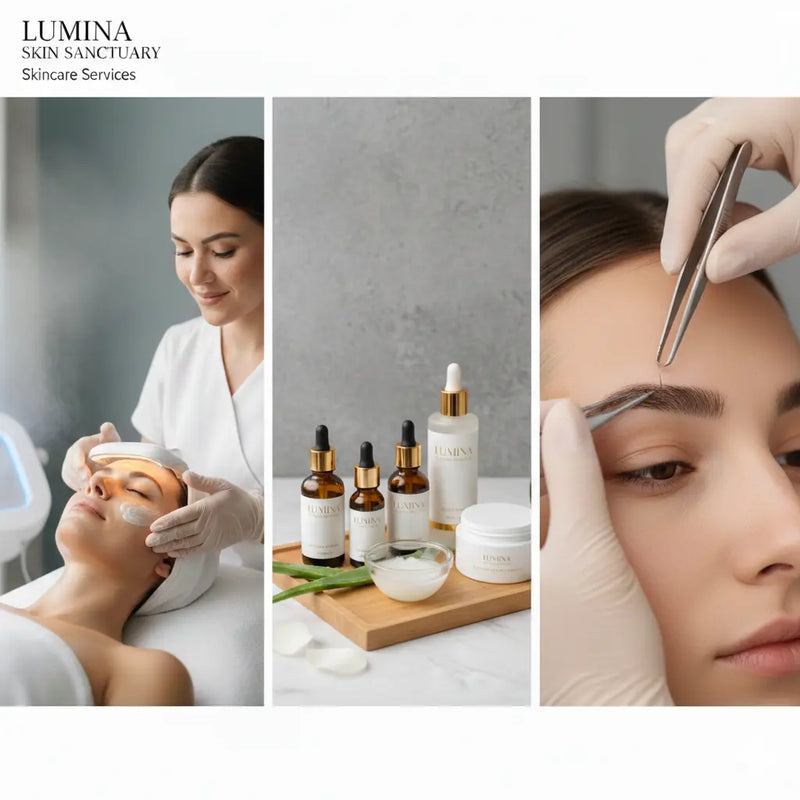
Acne-focused facials can help by clearing buildup, softening congestion, and supporting the skin barrier with a more customized approach. Extractions, when done properly, may help with clogged pores that are not responding to home care. Professional guidance also helps narrow down whether your breakouts are mainly comedonal, inflammatory, hormonal, or aggravated by your current routine.
For many people, this is where progress starts to feel more predictable. Instead of guessing which new product to buy next, you get a plan that connects treatment room results with realistic home maintenance. That blend of professional care and everyday support is often what creates steadier skin over time.
Prescription acne options and when to consider them
Some acne needs more than over-the-counter care. If breakouts are painful, cystic, widespread, or leaving scars, prescription treatment may be worth considering sooner rather than later.
Topical prescription retinoids can be stronger and more targeted than nonprescription options. Prescription antibiotics may be used short term for inflammatory acne, though they are typically not the long-term answer on their own. In some cases, hormonal treatment can help women whose breakouts cluster around the jawline, chin, or monthly cycle. Oral medications may also be discussed for more severe acne.
This is where nuance matters. Prescription care can be highly effective, but it often works best when paired with barrier-friendly skincare. If the rest of your routine is too aggressive, even the best prescription may feel harder to tolerate.
Hormonal acne needs a different conversation
Not all adult acne behaves the same way. Hormonal acne often shows up as deeper, more stubborn breakouts around the lower face and may flare with stress, sleep disruption, or menstrual cycles. It is common for adult women to assume they simply need stronger exfoliation, when the pattern actually points to an internal driver.
That does not mean skincare cannot help. It can absolutely support clearer skin, reduce congestion, and ease inflammation. But if the root issue is hormonal, topical products alone may only take you part of the way. This is one of those situations where managing expectations is part of good care.
Common mistakes that can keep acne going
A lot of acne frustration comes from doing too much, too quickly. Switching products every week, layering several active ingredients at once, over-cleansing, skipping moisturizer, or picking at breakouts can all delay progress.
Another common issue is treating every blemish the same way. Tiny flesh-colored bumps, angry pustules, and deep sore cysts do not respond identically. A better routine is usually more selective, not more crowded.
It also helps to look beyond skincare. Sweat, hair products, makeup removal habits, pillowcases, and even friction from hats or phone screens can contribute to breakouts. Acne is not always about one product being bad. Sometimes it is about several smaller triggers adding up.
How to choose the right acne treatment path
The best guide to acne treatment options is the one that leaves room for your skin type, your schedule, and your comfort level. If your acne is mild, a gentle cleanser, a targeted active, moisturizer, and sunscreen may be enough. If your skin is reactive, starting with fewer products and slower pacing may get you better results. If breakouts are persistent or scarring, professional treatment or medical support may be the smarter next step.
There is also the question of lifestyle fit. A routine only works if you will actually use it. For many adults, a clean, simple regimen paired with occasional professional care feels more sustainable than a complicated lineup of treatments that compete with each other.
If you are local to Babcock Ranch, Fort Myers, or Cape Coral, working with a skincare professional can be especially helpful when you want clearer skin without the trial-and-error spiral. A personalized plan often saves time, money, and unnecessary irritation.
Clearer skin usually comes from calm consistency, not intensity. Give your routine time, pay attention to how your skin behaves, and choose treatments that support balance as much as correction.


