


If you have ever booked a wax and wondered why one service uses strips while another does not, you are already asking the right question. When it comes to hard wax vs soft wax, the difference is not just technique. It affects comfort, results, skin sensitivity, and which areas of the body can be waxed most effectively.
The best choice depends on your skin, your hair texture, and the area being treated. One wax is not universally better than the other. A good esthetician chooses based on what will remove hair cleanly while keeping the skin as calm and balanced as possible.
Hard wax vs soft wax: the main difference
Hard wax is applied warm, allowed to cool slightly on the skin, and then removed without a strip. As it sets, it wraps around the hair and lifts away from the skin in one piece. This makes it a popular option for more delicate areas and for clients who are concerned about discomfort.
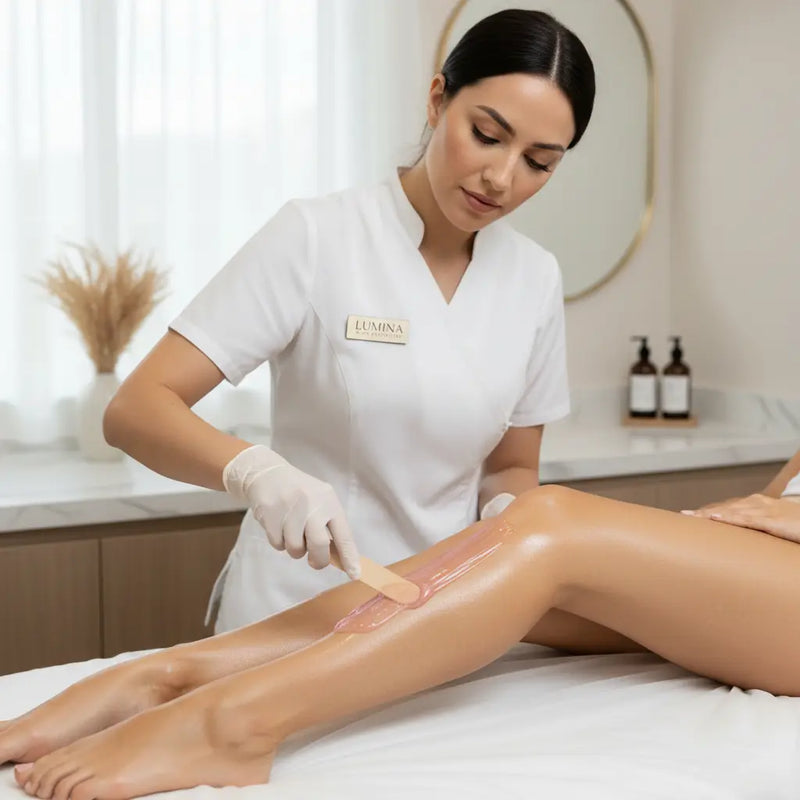
Soft wax is also applied warm, but it stays flexible and must be removed with a cloth or paper strip. It adheres to both the hair and the surface of the skin, which is why it can be very effective for larger areas. It tends to work quickly and thoroughly, especially when there is a lot of fine hair to remove.
That simple difference in how the wax grips and how it is removed is what shapes the whole experience.
When hard wax is usually the better fit
Hard wax is often preferred for smaller, more sensitive zones such as the bikini line, Brazilian area, underarms, and sometimes the face. Because it grips the hair more than the skin, many clients find it gentler. That matters when the skin is naturally thinner or more reactive.
It can also be helpful for coarse hair. Areas with strong, deeply rooted hair often respond well to hard wax because the wax sets around the hair and can pull it out with less repeated passing. Fewer passes usually means less irritation.
This does not mean hard wax is painless. Waxing still removes hair from the root, and some tenderness is normal. But for many people, especially first-time wax clients or anyone with a lower pain tolerance, hard wax feels more manageable.
Why clients often choose hard wax for sensitive areas
Comfort is a big reason, but not the only one. Hard wax can give the esthetician more control in areas that require precision. The bikini area, for example, benefits from a method that allows smaller, targeted sections rather than broad strip removal.
There is also less surface pulling on the skin. If you are prone to redness, dryness, or post-wax sensitivity, that can make a noticeable difference in how your skin looks and feels afterward.
When soft wax makes more sense
Soft wax is often the better choice for larger body areas such as the legs, arms, chest, or back. It spreads in a thin layer and removes quickly with strips, which makes it efficient for covering more surface area.
It is also excellent at picking up fine, soft hairs that might be left behind by other methods. If your goal is a very smooth finish across a broad area, soft wax often delivers that polished result.
Another advantage is speed. For full legs or other expansive zones, soft wax can make the appointment more efficient without sacrificing effectiveness. For clients who wax regularly and know their skin handles it well, this can be a very practical option.
Why soft wax is not always ideal for everyone
Because soft wax adheres to the skin along with the hair, it can feel more intense. On sensitive or compromised skin, that extra adhesion may increase redness or irritation. It also usually requires careful prep and technique to avoid overworking the same area.
That is why skin condition matters just as much as hair type. If your skin is dry, inflamed, sun-exposed, or using strong active ingredients, soft wax may not be the best choice for certain zones.
Which wax hurts less?
This is usually the first question, and the honest answer is that it depends. In a hard wax vs soft wax comparison, hard wax is often described as more comfortable, especially on intimate or delicate areas. Since it does not pull as strongly on the skin, the sensation can feel less sharp.
Soft wax can be more intense during removal, but that does not always mean it is the worse option. On the legs, for example, many clients tolerate soft wax very well and appreciate how fast it is. A quick, efficient removal on a less sensitive area may be preferable to a slower service.
Pain also depends on hair length, timing in your hair growth cycle, hydration, stress levels, and the skill of your provider. The right technique matters as much as the type of wax being used.
Which one is better for sensitive skin?
If your skin becomes red easily, feels reactive after hair removal, or struggles with dryness, hard wax is often the gentler option. It generally causes less disruption to the skin barrier because it does not cling to the skin in the same way soft wax does.
That said, sensitive skin is not all the same. Some people have sensitivity from dehydration, while others are dealing with exfoliating acids, retinoids, recent sun exposure, or underlying conditions. The safest waxing plan comes from looking at the full picture, not just labeling skin as sensitive.
If you are unsure, tell your esthetician about your skincare routine before your appointment. Products that contain retinol, prescription acne treatments, exfoliating acids, or even certain brightening ingredients can change how your skin responds to waxing.
Hair type matters more than many people realize
Coarse hair and fine hair do not behave the same way during waxing. Coarse hair often responds beautifully to hard wax, especially in dense growth areas like underarms or bikini services. The wax can grip the strand firmly and remove it with less breakage.
Fine hair across larger zones often favors soft wax. Since soft wax is applied thinly and removed with strips, it can catch smaller hairs across a broad area with impressive efficiency.
This is one reason experienced providers do not use a one-size-fits-all approach. The wax should match both the body area and the hair itself.
What results can you expect from each?
Both hard and soft wax remove hair from the root, so both can leave skin smooth for weeks. Over time, regular waxing may lead to softer regrowth and less dense hair in some areas. Consistency matters more than choosing one wax type forever.
The difference is often in the finish and the recovery. Hard wax may leave sensitive areas calmer, while soft wax may create an especially smooth feel on larger body areas. If your skin is easily irritated, the post-wax experience may matter just as much as the immediate hair removal result.
You may also notice some temporary pinkness with either method. That is normal. What should not happen is excessive lifting, prolonged burning, or significant irritation. A professional service should prioritize skin health, not just hair removal.
How to choose between hard wax and soft wax
Start with the area you want waxed. For bikini, Brazilian, underarms, and some facial waxing, hard wax is often the better fit. For legs, arms, back, and other larger zones, soft wax is often more efficient.
Then think about your skin. If you are sensitive, dry, or using active skincare, ask whether hard wax would be the safer option. If your skin is resilient and you want quick, smooth results over a large area, soft wax may be ideal.
Most of all, choose a provider who evaluates your needs instead of defaulting to the same wax for every client. At Lumina Skin Sanctuary, that kind of personalized care is what makes waxing feel less intimidating and more supportive.
Before and aftercare still matter
Even the best wax choice can lead to irritation if the skin is not prepared properly. Arrive with clean skin, avoid heavy lotions the day of your appointment, and let your hair grow to an appropriate length so the wax can grip effectively.
Afterward, keep the area calm. Avoid intense heat, friction, heavy sweating, and exfoliation right away. Hydration and gentle care help the skin recover well and reduce the chance of ingrown hairs.
If waxing is part of your regular beauty routine, think of it as skin care as much as hair removal. The smoother results last longer when the skin is healthy, balanced, and consistently cared for.
The best wax is the one that suits your skin, your hair, and your comfort level. When the method is chosen thoughtfully, waxing feels less like a harsh beauty chore and more like a clean, confidence-boosting part of your routine.


