


TL;DR:
- A customized facial is a professional skincare treatment tailored specifically to your skin’s current condition and concerns through real-time assessment and adaptation. Unlike standard facials, it uses diagnostic tools and flexible techniques to deliver targeted, measurable, and lasting improvements. Proper selection, adjustment, and aftercare ensure better results compared to generic treatments.
A customized facial treatment is defined as a professional skincare session designed specifically around your skin’s current type, condition, and concerns rather than following a fixed, one-size-fits-all protocol. In the industry, this approach is also called a bespoke facial. Unlike standard facials that apply the same products and steps to every client, bespoke facials use advanced diagnostics and adaptive techniques to respond to what your skin actually needs on the day of treatment. Treatments like HydraFacial, microneedling, polynucleotide therapy, and LED light therapy can all be selected or combined based on your specific skin goals. The result is targeted, measurable improvement rather than a temporary surface glow.
What does customized facial treatment mean: the core process
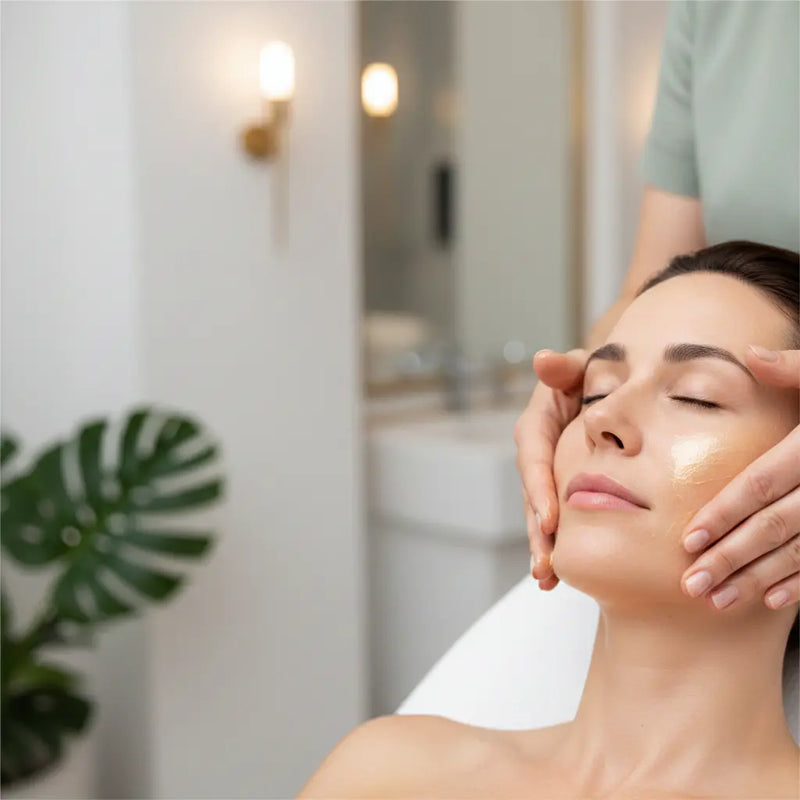
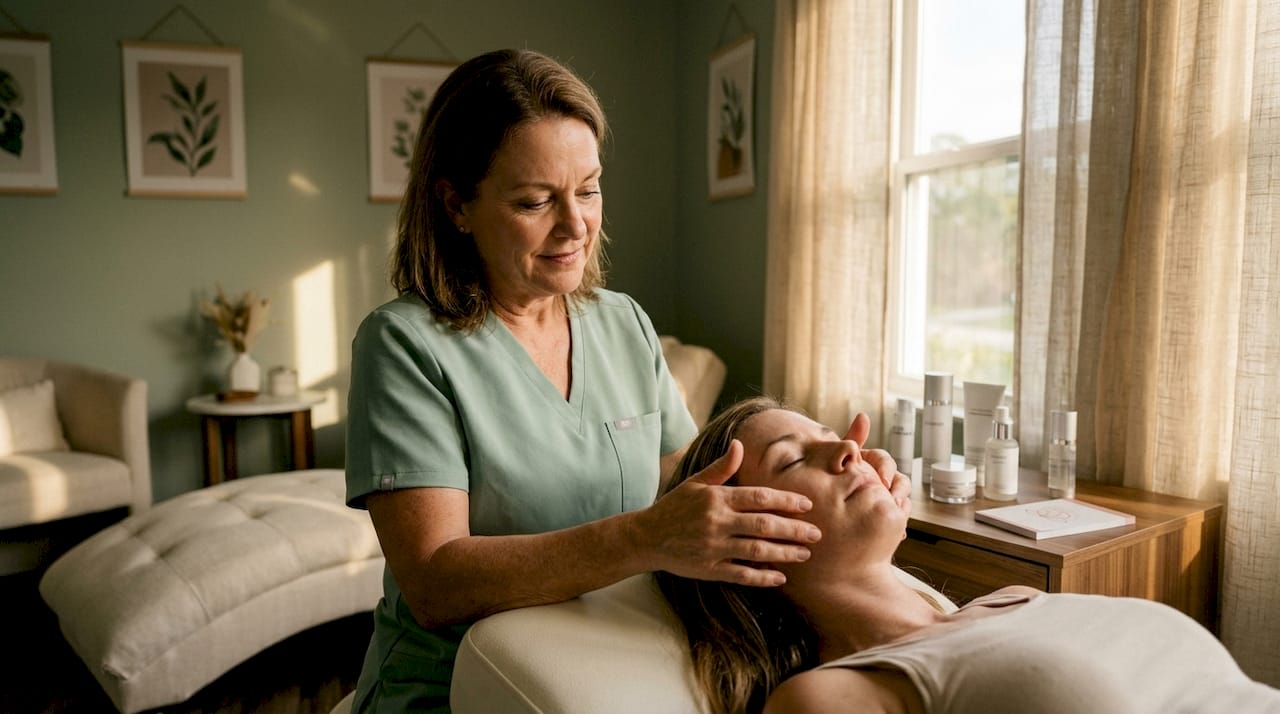
A customized facial begins with a detailed skin assessment, not a quick visual scan. The esthetician or clinician examines your skin type, hydration levels, sensitivity, pigmentation, and any active concerns like acne, rosacea, or sun damage. This assessment drives every product and technique choice that follows.
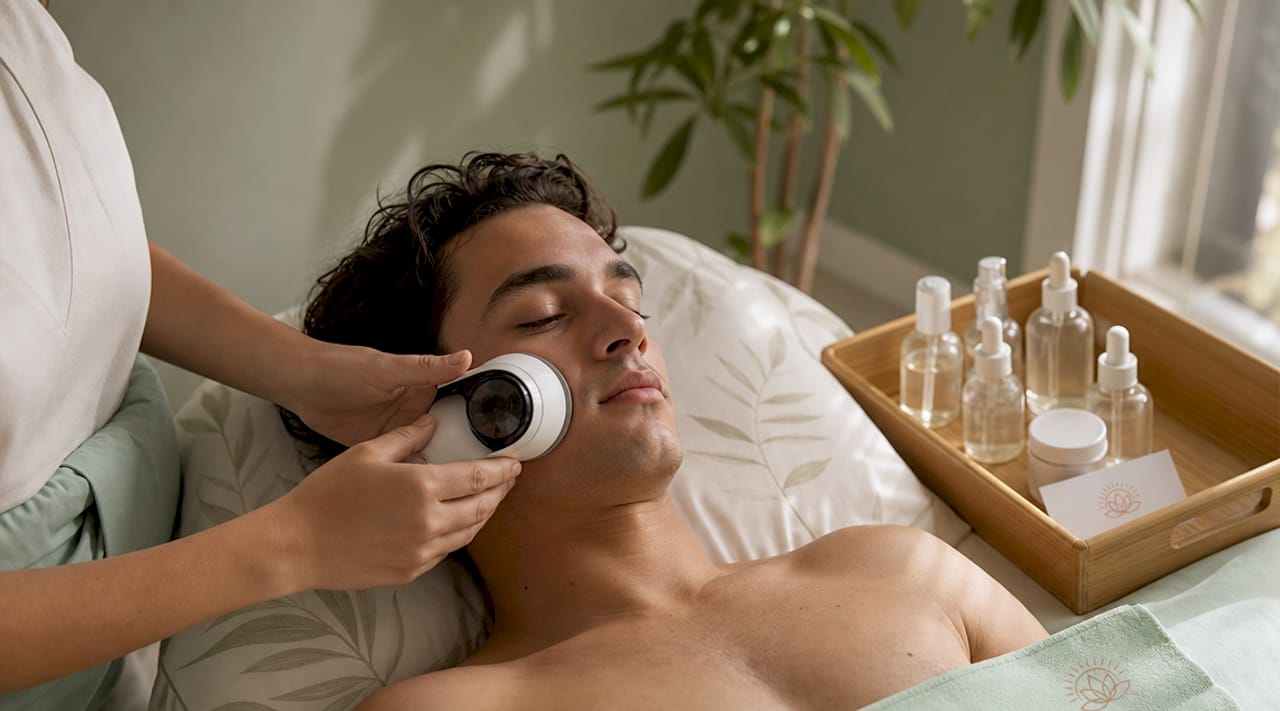
The process does not stop at the initial consultation. True customization is dynamic, meaning treatment steps and ingredient choices evolve during the session as your skin responds. If a particular serum causes unexpected sensitivity, the esthetician adjusts immediately. If your skin absorbs a treatment faster than expected, the protocol shifts to take advantage of that response.
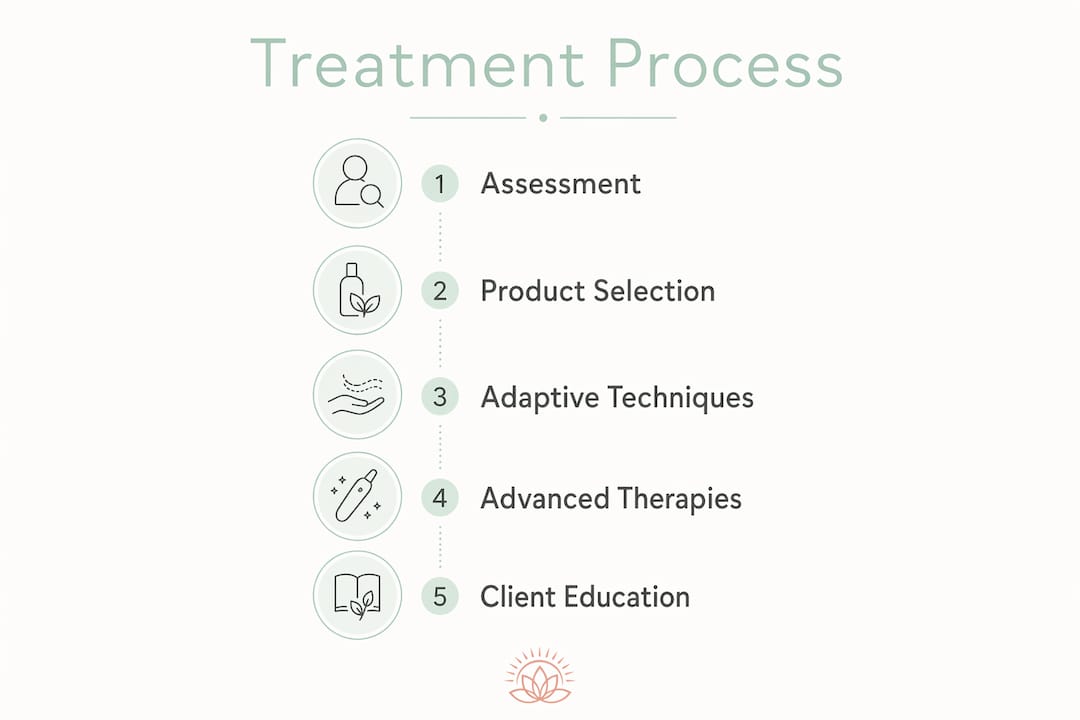
Here is how a typical customized facial session unfolds:
- Skin analysis: Visual and tactile assessment of texture, tone, pore size, and hydration. Some clinics use digital imaging tools for deeper diagnostics.
- Goal setting: A brief discussion of your primary concerns, whether that is dehydration, uneven tone, fine lines, or breakouts.
- Product selection: Clinical-grade serums, exfoliants, masks, and active ingredients are chosen to match your skin profile.
- Treatment delivery: Steps are applied in a sequence that maximizes absorption and minimizes irritation.
- Real-time adjustment: The esthetician monitors your skin’s response and modifies pressure, timing, or product concentration as needed.
- Home care guidance: You leave with specific product and routine recommendations aligned to your treatment.
Advanced therapies like microneedling and polynucleotide therapy stimulate collagen and target deep skin layers, and these are integrated only when your skin profile supports them. A detailed medical consultation is fundamental before any advanced modality is introduced.
Pro Tip: Ask your esthetician to walk you through each product being applied and why it was chosen for your skin. This real-time education helps you understand your skin better and builds a more effective home care routine.
Benefits of personalized facials vs. standard facials
The most direct benefit of a personalized facial is measurable skin improvement. Clinical observations show up to 40% improvement in skin hydration and elasticity compared to standard facials. That gap exists because bespoke facials address root causes rather than surface symptoms.
Standard facials follow a fixed routine. A customized facial treats the underlying issue. For example, a client with dehydrated, sensitive skin may receive a gentle enzyme exfoliation and a barrier-repair serum rather than a standard glycolic peel that could cause irritation. The difference is not just comfort. It is outcome.
Customized facials also serve as an educational experience for clients, teaching them which ingredients and techniques suit their skin. This reduces years of trial-and-error with over-the-counter products. Clients leave knowing what works, not just feeling temporarily refreshed.
| Feature | Standard Facial | Customized Facial |
|---|---|---|
| Protocol | Fixed, pre-set steps | Adaptive, based on skin assessment |
| Products | Generic formulations | Clinical-grade, skin-specific selections |
| Skin assessment | Minimal or none | Detailed diagnostics before and during |
| Target | Surface appearance | Root causes and long-term skin health |
| Results | Temporary glow | Measurable, lasting improvement |
| Education | None | Client learns their skin profile |
Pro Tip: If you have sensitive or reactive skin, ask specifically whether the clinic practices a “less is more” approach. Doing less with precise targeted treatments often yields better outcomes than aggressive multi-step protocols.
What custom facial options are typically available?
Personalized facials draw from a wide menu of treatment modalities. The key is that no single option is right for every client. Selection depends on your skin type, current condition, and treatment goals.
Personalized facial treatments address unique challenges like dehydration, oil buildup, sensitivity, and aging through careful product and technique matching. Here are the most common options and what they target:
- HydraFacial: Combines cleansing, exfoliation, and hydration in one session. Best for dehydrated or dull skin. Uses vortex suction to remove debris while infusing serums.
- Enzyme exfoliation: A gentle alternative to chemical peels. Ideal for sensitive or reactive skin types. Breaks down dead skin cells without disrupting the moisture barrier.
- Chemical peels: Glycolic, lactic, or salicylic acid peels are selected based on skin tolerance and concern. Targets pigmentation, acne scarring, and texture.
- LED light therapy: Red light stimulates collagen production. Blue light targets acne-causing bacteria. Selected based on your primary skin concern.
- Microneedling: Creates micro-channels in the skin to boost collagen and improve product absorption. Used for aging, scarring, or textural concerns under medical supervision.
- Customized masks: Sheet masks, clay masks, or hydrating gel masks are chosen to complement the treatment steps already applied.
- Targeted serums: Vitamin C for brightening, hyaluronic acid for hydration, niacinamide for pore refinement. Applied based on your skin’s specific deficiencies.
Clinical-grade products make a measurable difference here. Over-the-counter formulations typically contain lower concentrations of active ingredients. Professional-grade products used in bespoke facials penetrate more effectively and deliver faster results.
Home care alignment with customized treatments also improves results. Removing products that conflict with your treatment, such as harsh scrubs after a chemical peel, protects your progress between sessions.
How to choose and get the most from a tailored skincare treatment
Choosing the right provider is the first decision. Not every spa offering “customized facials” delivers true personalization. Look for these markers of a genuinely adaptive approach:
- The clinic conducts a formal skin assessment before every session, not just at your first visit.
- The esthetician explains product choices and adjusts the protocol based on your skin’s response during treatment.
- The clinic uses clinical-grade or medical-grade products, not retail brands.
- You receive specific home care recommendations after each session, not a generic product sheet.
- The provider has training in advanced modalities like LED therapy, chemical peels, or microneedling.
Once you book, prepare to be open to changes. Your skin on the day of treatment may differ from what you described during a phone consultation. Humidity, stress, hormonal shifts, and recent sun exposure all affect skin condition. A skilled esthetician will reassess at the start of each session and adjust accordingly. This is what makes customization continuous rather than static.
Realistic timelines matter too. Most clients see visible improvement after 3–4 sessions. Deeper concerns like hyperpigmentation or acne scarring may require 6–8 sessions before significant change is visible. Consistency between sessions, including following home care guidance, directly affects how fast results appear.
For Florida residents, local climate adds another layer of complexity. High humidity and UV exposure accelerate skin aging and can trigger sensitivity. A local skin treatment guide helps you understand which treatments perform best in your specific environment.
Pro Tip: Before booking, ask your provider three questions: What skin assessment method do you use? How do you adjust treatments mid-session? What home care protocol will you recommend after my treatment? The answers will tell you immediately whether the clinic practices true customization.
Key takeaways
Customized facial treatments deliver measurably better skin health outcomes because they treat root causes, adapt in real time, and align professional care with your home routine.
| Point | Details |
|---|---|
| Definition of bespoke facials | A customized facial adapts products and techniques to your specific skin type and condition, not a fixed protocol. |
| Dynamic adaptation matters | Treatment steps evolve during the session based on how your skin responds, not just pre-session assessment. |
| Clinical improvement potential | Personalized facials show up to 40% better hydration and elasticity compared to standard facials. |
| Root cause focus | Targeting chronic inflammation or barrier damage produces lasting results, not just a temporary surface glow. |
| Home care is part of the treatment | Aligning your at-home products with your professional treatment directly extends and improves results. |
What i’ve learned after years of watching skin transform
The most common misconception I see is that customization means more treatments, more products, and more steps. Clients often arrive expecting a long, complex session packed with every available technology. The reality is the opposite.
The most effective bespoke facials I have observed are often the most restrained ones. A client with a compromised moisture barrier does not need microneedling and a chemical peel in the same session. They need one well-chosen intervention, applied correctly, with a clear home care plan to follow. Doing less, but doing it precisely, is what produces real change.
The other insight worth sharing is that your skin is not static. What worked in January may not be right in July, especially in Florida where heat and humidity shift skin behavior significantly. The clinics that get the best results are the ones that reassess at every visit rather than repeating the same protocol because it worked once. Ongoing reassessment is not a luxury. It is the core of what makes a facial truly customized.
If you are wondering whether a bespoke facial is worth it compared to a standard treatment, consider this: a standard facial treats the face you walked in with. A customized facial treats the skin you actually have, on that day, with a plan built around where you want it to go.
— Kira Tia
Experience personalized skincare at lumina skin sanctuary
Lumina Skin Sanctuary specializes in bespoke facial treatments designed for Florida skin, where sun exposure, humidity, and heat create challenges that generic facials simply do not address. Every client receives a detailed skin consultation before treatment begins, and protocols are adjusted in real time using medical-grade technologies including LED light therapy and tailored chemical peels.
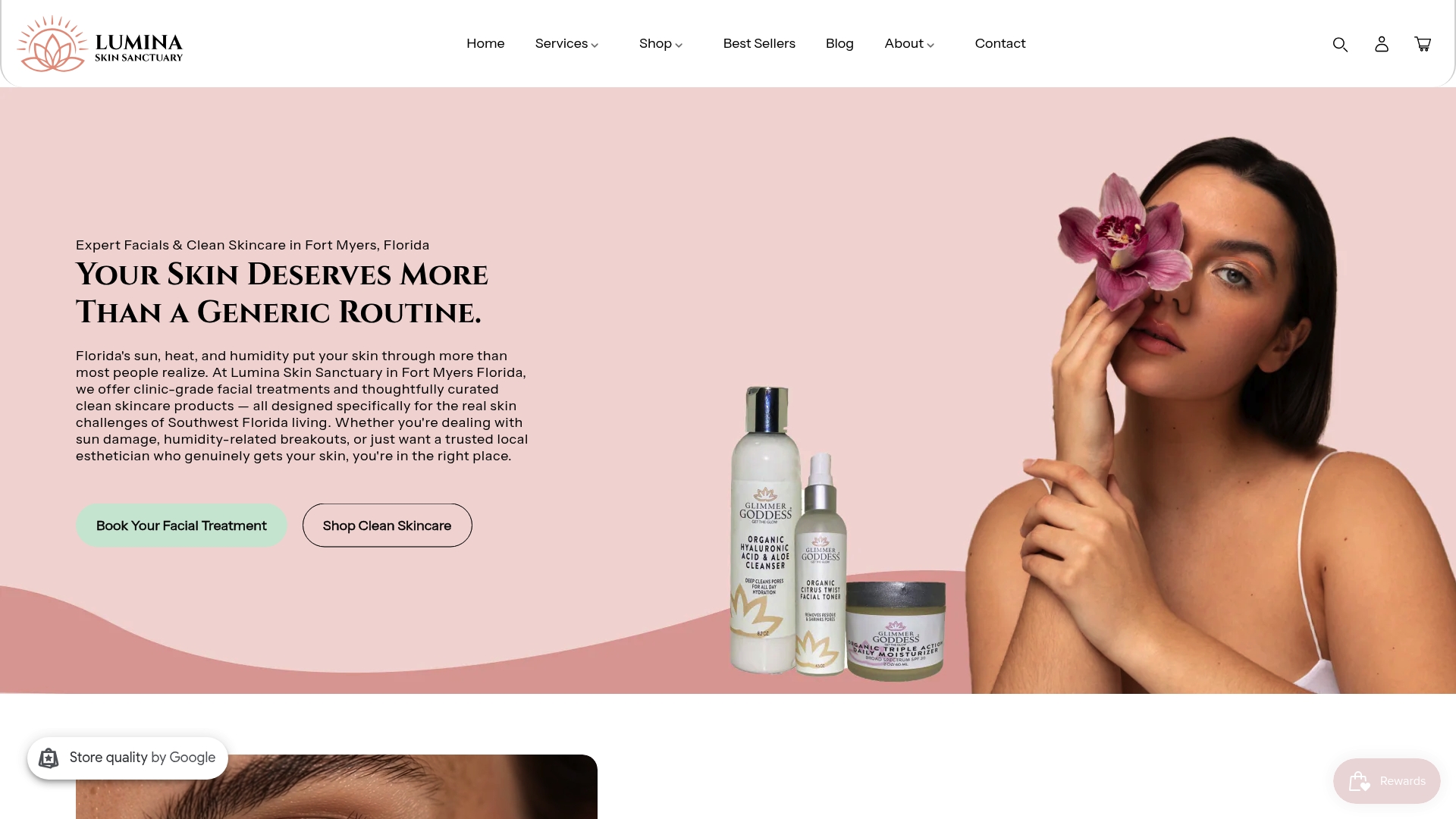
Whether your concern is sun damage, dehydration, sensitivity, or aging, Lumina Skin Sanctuary builds a treatment plan around your skin’s specific needs. Explore the full range of personalized facial treatments or browse skincare services to find the right starting point for your skin goals.
FAQ
What does a customized facial treatment include?
A customized facial includes a detailed skin assessment, clinical-grade product selection, and adaptive treatment steps that change based on your skin’s response during the session. Advanced options like LED therapy, chemical peels, or microneedling may be added based on your skin profile.
How is a customized facial different from a regular facial?
Standard facials follow fixed routines with pre-set products, while customized facials use diagnostics and real-time adjustment to match your skin’s current condition and goals. The difference shows up in both the process and the results.
How many sessions does a customized facial take to show results?
Most clients see visible improvement after 3–4 sessions, with deeper concerns like hyperpigmentation or scarring requiring 6–8 sessions. Consistent home care between sessions accelerates results.
Are customized facials suitable for sensitive skin?
Customized facials are particularly well-suited for sensitive skin because the protocol can be adjusted to remove aggressive steps and focus on barrier repair. Precise, targeted treatments often produce better outcomes for sensitive skin than standard multi-step facials.
What should i ask before booking a customized facial?
Ask about the skin assessment method used, how the esthetician adjusts treatments mid-session, and what home care protocol you will receive after treatment. These three questions reveal whether the clinic practices genuine customization or simply markets a standard facial under a different name.


