


Understanding Subtropical Climate Challenges for Skin Health
The subtropical climate of Southwest Florida presents unique dermatological challenges that require specialized skincare approaches. High humidity levels, intense UV radiation, and dramatic temperature fluctuations create a complex environment for maintaining optimal skin health. These atmospheric conditions can disrupt the skin's natural barrier function, leading to increased transepidermal water loss despite the humid environment.
Residents of Babcock Ranch face particularly demanding conditions. The combination of year-round sun exposure and elevated moisture levels creates an environment where conventional skincare routines often fall short. Understanding these climatic nuances becomes essential for developing an effective regimen that addresses both immediate comfort and long-term skin integrity.
Essential Morning Skincare Protocol
Gentle Cleansing Techniques
Morning cleansing in subtropical climates requires a delicate balance between removing overnight sebum accumulation and preserving essential moisture barriers. Opt for sulfate-free cleansers with pH levels between 4.5 and 6.5 to maintain the skin's natural acidic mantle. These formulations effectively remove impurities without compromising the stratum corneum's protective function.
Consider incorporating enzymatic cleansers containing papain or bromelain twice weekly. These proteolytic enzymes gently dissolve dead skin cells without mechanical irritation, particularly beneficial for those experiencing increased cellular turnover due to high humidity exposure.
Targeted Serum Application
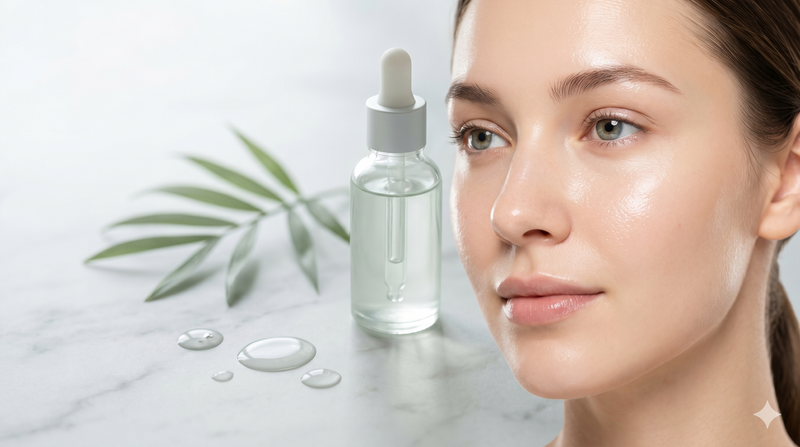
Serums containing hyaluronic acid with varying molecular weights provide multi-layered hydration essential for subtropical living. Low molecular weight hyaluronic acid penetrates deeper dermal layers, while high molecular weight variants form a protective film on the skin's surface. This dual-action approach addresses both immediate moisture needs and long-term hydration stability.
Vitamin C serums, specifically L-ascorbic acid or magnesium ascorbyl phosphate formulations, offer crucial antioxidant protection against photodamage. Apply these actives to clean skin, allowing full absorption before proceeding with subsequent products.
Professional Facial Treatments for Subtropical Skincare
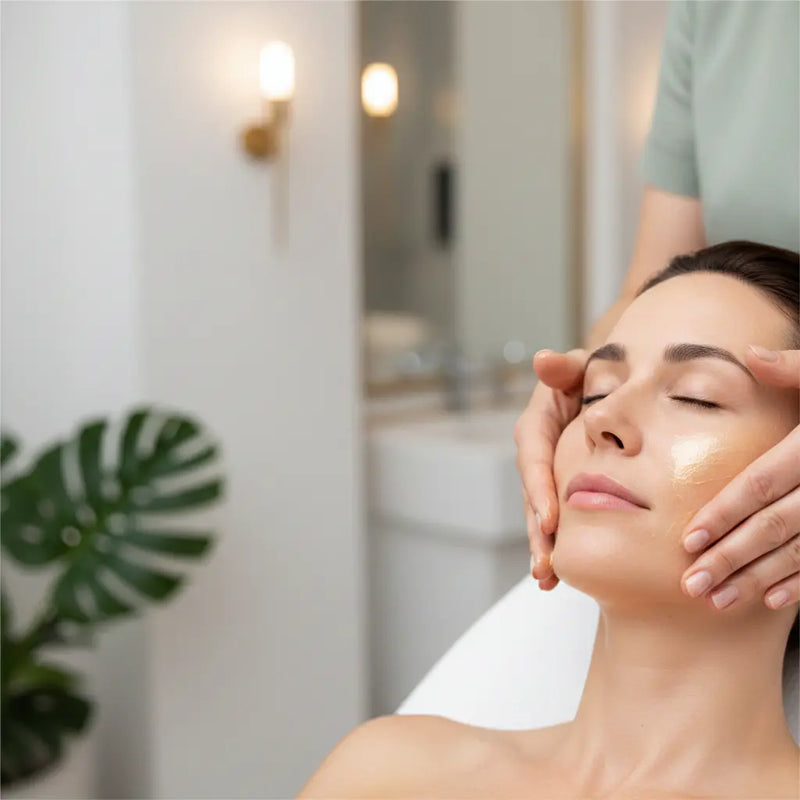
Professional facial treatments play a crucial role in maintaining skin health in challenging subtropical conditions. At Lumina Skin Sanctuary, advanced facial therapies combine medical-grade technology with holistic wellness approaches to address the specific needs of Florida's climate. These treatments utilize specialized techniques including hydradermabrasion, LED phototherapy, and customized chemical peels designed to combat humidity-related concerns, UV damage, and environmental stressors.
Regular professional facials help reset your skin's natural balance while providing deep cleansing that home routines cannot achieve. The treatments incorporate climate-specific protocols that address common issues like clogged pores from increased sebum production, hyperpigmentation from UV exposure, and dehydration despite humid conditions.
Evening Restoration and Repair
Double Cleansing Method
Evening skincare routines in subtropical climates benefit significantly from the double cleansing method. Begin with an oil-based cleanser to dissolve sunscreen, sebum, and environmental pollutants accumulated throughout the day. Jojoba oil or squalane-based cleansers effectively remove lipophilic substances without disrupting the skin's natural lipid barrier.
Follow with a water-based cleanser containing gentle surfactants like cocamidopropyl betaine or sodium cocoyl isethionate. This secondary cleansing step removes remaining water-soluble impurities and ensures complete product removal without over-stripping.
Active Ingredient Integration
Retinoids remain the gold standard for addressing photoaging and maintaining cellular turnover. However, subtropical humidity can increase skin sensitivity to these compounds. Start with retinyl palmitate or retinaldehyde formulations before progressing to stronger tretinoin preparations. Always apply retinoids to completely dry skin and follow with appropriate moisturizing agents.
Remember that consistency trumps intensity when building tolerance to active ingredients in humid climates. Gradual introduction prevents irritation and ensures long-term treatment success.
Hydration Strategies for High Humidity Environments
Paradoxically, high humidity environments can lead to skin dehydration through compromised barrier function. The constant moisture in the air can disrupt the skin's natural moisture gradient, leading to impaired water retention despite environmental abundance.
Incorporate humectants like sodium PCA, glycerin, and beta-glucan to attract and bind moisture effectively. Layer these ingredients under occlusive agents such as ceramides and cholesterol esters during evening routines to prevent transepidermal water loss during sleep.
| Skin Type | Morning Moisturizer | Evening Treatment |
|---|---|---|
| Oily/Combination | Gel-based with niacinamide | Lightweight emulsion with peptides |
| Normal | Lotion with antioxidants | Cream with retinoids |
| Dry/Mature | Emulsion with ceramides | Rich cream with growth factors |
Sun Protection in Subtropical Environments
Broad-Spectrum SPF Selection
Subtropical sun protection requires broad-spectrum SPF 30 minimum, with SPF 50 recommended for extended outdoor activities. Zinc oxide and titanium dioxide provide superior photostability compared to chemical filters alone. These mineral ingredients reflect UV radiation without degrading under intense Florida sun.
Reapplication becomes critical in high-humidity conditions where sweating and sebum production can compromise sunscreen efficacy. Consider powder SPF formulations for midday touch-ups without disturbing underlying makeup or skincare products.
Antioxidant Support Systems
Environmental antioxidants provide additional protection against free radical damage from UV exposure and pollution. Vitamin E (tocopherol), ferulic acid, and resveratrol work synergistically to neutralize oxidative stress before it damages cellular structures.
Apply antioxidant serums beneath sunscreen for enhanced photoprotection. This layering strategy creates a comprehensive defense system against environmental aggressors common in subtropical climates.
Weekly Intensive Treatments
Incorporate weekly exfoliation through alpha-hydroxy acids like glycolic or lactic acid to address the increased cellular turnover common in humid environments. These treatments help prevent pore congestion while promoting cellular renewal.
- Clay masks containing kaolin or bentonite for oil control
- Hydrating masks with sodium hyaluronate for moisture replenishment
- Enzyme treatments for gentle exfoliation without irritation
Frequently Asked Questions
How does humidity affect skincare product absorption?
High humidity can slow product absorption and alter ingredient stability. Use lighter formulations during humid months and allow adequate drying time between product applications.
Should I adjust my routine seasonally in subtropical climates?
Yes, even subtropical climates experience seasonal variations. Increase hydrating ingredients during air conditioning season and focus on oil control during peak humidity months.
Can I skip moisturizer in very humid weather?
Never skip moisturizer entirely. Switch to gel-based or water-light formulations that provide hydration without heaviness in humid conditions.
Mastering daily skincare in subtropical environments requires understanding the unique challenges posed by high humidity, intense UV exposure, and temperature fluctuations. By implementing these targeted strategies and maintaining consistency in your routine, you can achieve optimal skin health while embracing the Florida lifestyle.


