



A smooth shave or fresh wax should leave your skin feeling clean and comfortable, not irritated, bumpy, or tender for days. If you are wondering how to prevent ingrown hairs, the answer usually is not one miracle product. It is a combination of better prep, gentler hair removal, and consistent aftercare that keeps skin calm while helping hair grow out the way it should.
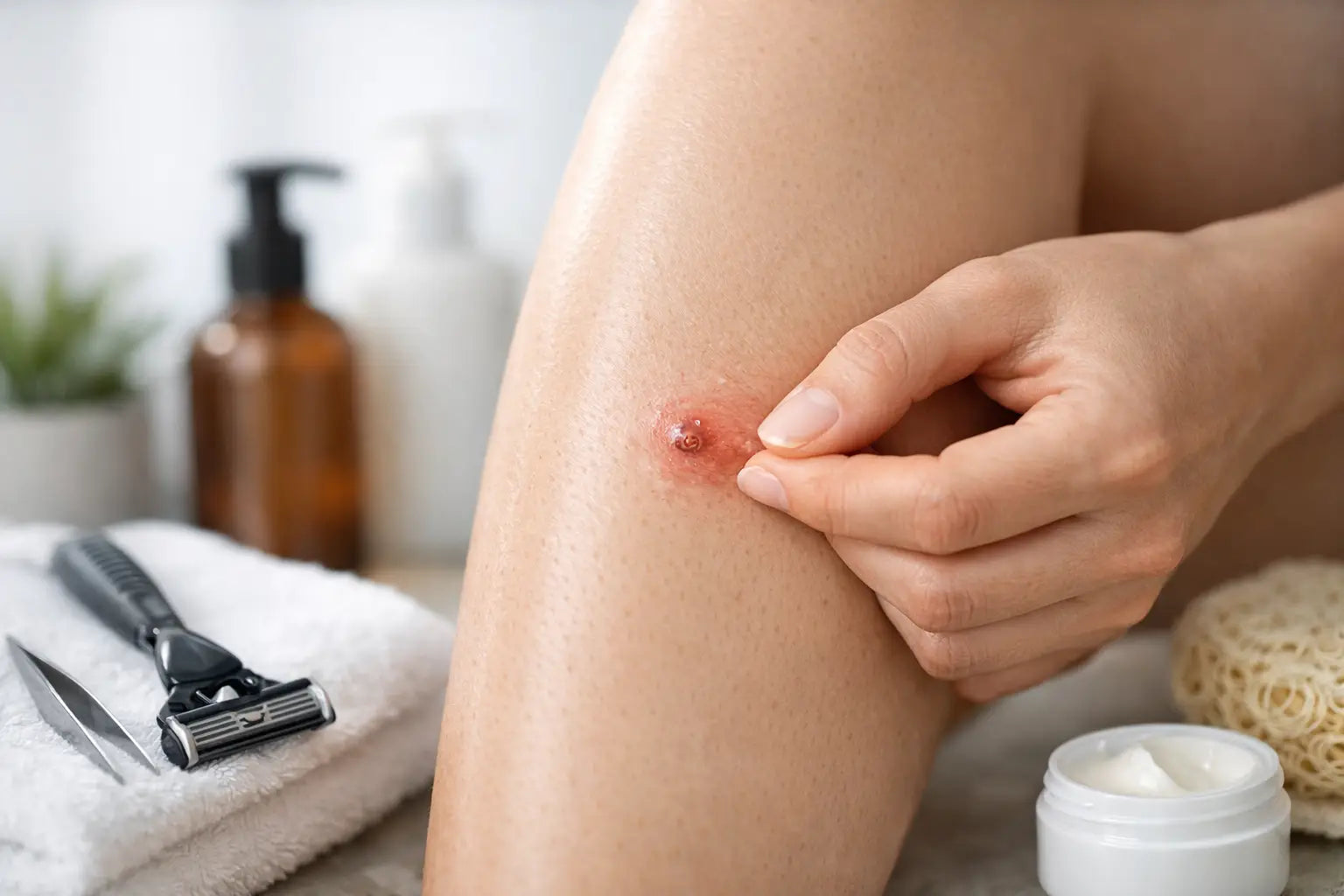
Ingrown hairs happen when a hair curls back into the skin or gets trapped beneath the surface instead of rising straight out of the follicle. That can lead to small red bumps, tenderness, itching, and sometimes dark marks that seem to linger longer than the bump itself. Areas with coarse hair, frequent shaving, tight clothing, or regular waxing tend to be the most affected, especially the bikini line, underarms, legs, and face.
How to prevent ingrown hairs starts before hair removal
Most ingrown hair prevention happens before the razor or wax ever touches your skin. When skin is dry, congested, or covered with dead surface cells, hair has a harder time emerging normally. That is why preparation matters more than many people realize.
Start with clean skin. Removing sweat, sunscreen, body lotion, and oil buildup gives you a cleaner surface and lowers the chance of irritation. Warm water also helps soften both the skin and the hair, which makes shaving less abrasive and allows waxing to be more even. You do not need a harsh scrub right before hair removal, but you do want skin that is clean, softened, and not overly sensitized.
Gentle exfoliation plays a major role here. The goal is not to polish the skin aggressively. The goal is to clear the path so new hairs are less likely to get trapped. For many people, a mild chemical exfoliant works better than rough physical scrubs, especially in delicate areas. Lactic acid, glycolic acid, or salicylic acid can help loosen dead skin cells without the friction that often makes bumps worse. If your skin is sensitive, less is usually more. Exfoliating two to three times a week is often enough.
The best shaving habits for fewer bumps
If shaving is your preferred method, technique matters just as much as the razor itself. One of the most common causes of ingrown hairs is shaving too closely and too aggressively. Skin may feel extra smooth for a day, but the hair can end up cut in a way that makes it easier to curl inward as it grows back.
Always use a fresh, clean blade. Dull razors drag across the skin, create uneven cuts, and increase irritation. If you are using the same blade far too long, that alone may be the reason your skin stays bumpy. Pair it with a shaving gel or cream that gives enough slip to protect the skin barrier. Dry shaving or using only water may seem quicker, but it often leads to friction, tiny nicks, and more inflammation.
Shave in the direction of hair growth when possible. This may not give the closest result, but it is much kinder to the skin. If you are very prone to ingrowns, a slightly less close shave is often worth the trade-off. Avoid repeated passes over the same area, and do not press hard. Let the blade glide.
For facial hair or especially reactive skin, sometimes an electric trimmer is a better choice than a traditional razor. It leaves a tiny bit of length behind, which can reduce the chance of the hair becoming trapped beneath the surface. Not every method works the same way for every person, so this is one of those areas where it truly depends on your skin, your hair texture, and how often you remove hair.
Waxing can help, but only when skin is cared for properly
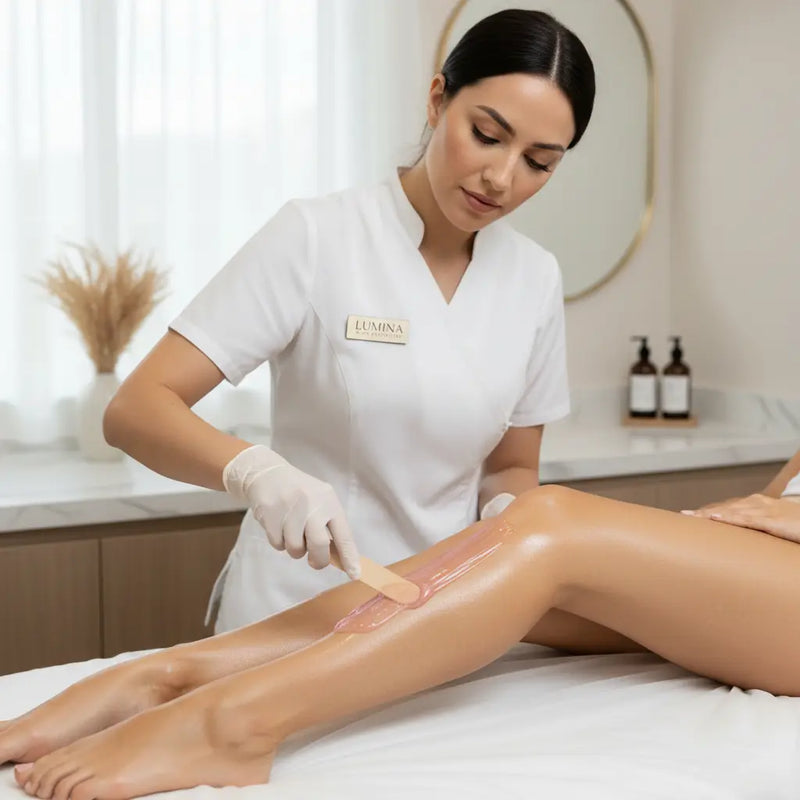
People often assume waxing automatically solves ingrown hairs because it removes hair from the root. Sometimes it does help, especially compared with daily shaving. But waxing can still lead to ingrowns if the skin is congested, the hair breaks instead of fully lifting out, or aftercare is skipped.
The healthiest approach is to keep the skin balanced before and after your appointment. That means avoiding heavy occlusive products right before waxing, pausing strong exfoliants if your skin is already feeling tender, and letting the area stay clean and calm afterward. Tight leggings, sweaty workouts, and friction immediately after waxing can all make irritation more likely.
Regular waxing appointments may improve the pattern of regrowth over time, but consistency matters. Waiting too long between appointments can leave you dealing with uneven hair lengths and more difficult regrowth. If ingrowns are a recurring issue, professional waxing may be worth considering because technique, timing, and skin prep all make a difference.
Aftercare is where many routines fall apart
A lot of people focus on hair removal itself and forget what happens in the next 24 to 72 hours. That window matters. Freshly shaved or waxed skin is more vulnerable, and if the area becomes dry, irritated, or congested, new hairs can struggle to surface properly.
Hydration helps keep the skin soft and flexible. A lightweight, non-comedogenic moisturizer can reduce that tight, dry feeling that often shows up after shaving. Look for gentle formulas with soothing ingredients like aloe, glycerin, panthenol, or colloidal oatmeal. If your skin tolerates it well, a body lotion with mild exfoliating acids can be especially helpful in areas where ingrowns are common.
Try to avoid heavy friction right after hair removal. Tight waistbands, snug underwear, shapewear, or workout clothing can rub the follicle and increase inflammation. On the bikini line and underarms in particular, breathable fabrics and a little space can go a long way.
If you are prone to post-inflammatory dark marks, picking at bumps is one of the fastest ways to make them last longer. It can be tempting to squeeze an ingrown hair, especially when you can see it under the skin, but that often turns a small bump into a more inflamed spot with a longer recovery.
Products that help and products that can make it worse
When clients ask how to prevent ingrown hairs, they are often looking for one product that fixes everything. The truth is that a few well-chosen formulas usually work better than an overcrowded routine.
A gentle cleanser, a consistent exfoliant, and a barrier-friendly moisturizer cover the basics well. If you shave often, a soothing post-shave product can also be useful, especially if it is free from heavy fragrance and drying alcohol. Salicylic acid is especially helpful in oil-prone or acne-prone areas because it can move into the pore lining and help clear buildup. Lactic acid tends to be a nice option for dry or more sensitive skin because it exfoliates while supporting moisture.
What tends to make things worse is overdoing it. Strong scrubs, too many acids at once, fragranced body products, and harsh spot treatments can leave skin inflamed and reactive. Once the barrier is irritated, every shave and wax can feel harder on the skin. Calm skin usually responds better than overtreated skin.
When ingrown hairs are more than a minor nuisance
Sometimes an ingrown hair is a small bump that resolves on its own. Sometimes it becomes painful, swollen, or repeatedly infected in the same area. If that is happening, it may be time to stop experimenting at home and get professional guidance.
Recurring ingrowns can be related to hair texture, shaving frequency, product irritation, or even the technique being used. In some cases, what looks like ingrown hairs may actually be folliculitis or another form of irritation that needs a different approach. If bumps are deep, very inflamed, or leaving significant discoloration, professional support can help you protect both your skin comfort and your long-term skin clarity.
For many women, the biggest shift comes from simplifying the routine and being more intentional with maintenance. Gentle exfoliation, thoughtful hair removal, and steady hydration usually outperform quick fixes. At Lumina Skin Sanctuary, that skin-first approach is at the center of how we think about lasting results.
How to prevent ingrown hairs long term
Long-term prevention is usually about rhythm, not intensity. Exfoliate regularly but gently. Replace razors often. Use enough slip when shaving. Moisturize consistently. Give freshly treated skin a little breathing room. And if one hair removal method keeps causing the same problem, consider changing the method instead of pushing through irritation.
The most effective routine is one your skin can tolerate week after week. Smooth skin is not just about removing hair. It is about keeping the skin healthy enough to let hair grow normally, without inflammation getting in the way.
If your skin tends to get bumpy no matter what you do, take that as a sign to go gentler, not harder. A calm, consistent routine often creates the kind of visible improvement that feels effortless over time.


