


TL;DR:
- A teen skincare routine should focus on three simple steps: cleansing, moisturizing, and applying SPF daily. Using gentle, evidence-based products like fragrance-free cleansers, lightweight moisturizers, and mineral sunscreens helps maintain healthy adolescent skin while preventing irritation. Consistency with these steps, along with targeted acne treatments introduced carefully, supports clear, healthy skin over time.
A teen skincare routine is defined as a daily set of steps that cleanse, protect, and treat adolescent skin using gentle, evidence-based products. Dermatologists agree that teens only need three core steps regardless of skin type: cleanse, moisturize, and apply SPF. When you introduce a skincare routine for teenagers, the goal is not perfection. The goal is consistency with the right products. Benzoyl peroxide, a fragrance-free cleanser, and a broad-spectrum SPF are the three named tools that matter most. The American Academy of Dermatology (AAD) and dermatologists featured in New York magazine both confirm that keeping it simple is the most effective approach for adolescent skin.
Why simplicity matters in a teen skincare routine
Teen skin is biologically different from adult skin. Puberty increases testosterone, which raises sebum production and clogs pores. That is why acne appears during adolescence, not because of poor hygiene. The skin is already working overtime. Adding too many products makes things worse, not better.
Dermatologists stress that teen routines should stay minimal to avoid irritation and improve compliance. A five-step routine with multiple actives is harder to stick to and more likely to cause redness, peeling, or breakouts from product conflict. Fewer steps mean fewer variables and clearer results.
The skin barrier is the outer layer that keeps moisture in and irritants out. Disrupting it with harsh scrubs, alcohol-based toners, or stacked exfoliants weakens your skin’s natural defense. Stabilizing the skin barrier before adding acne treatments reduces irritation and makes those treatments work better.
Safe product types for teen skin include:
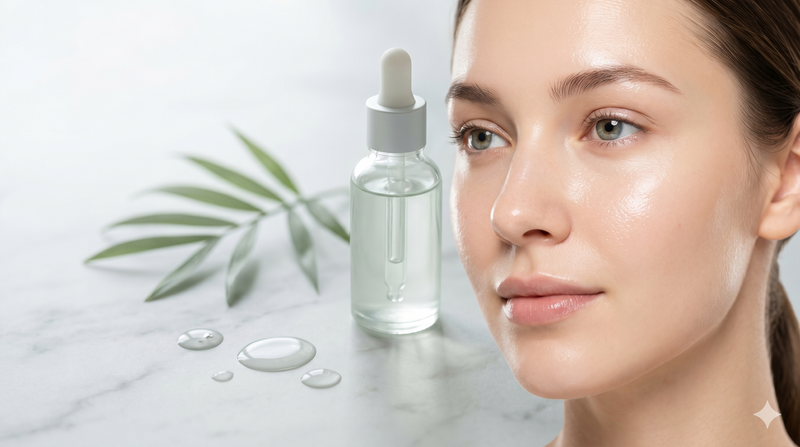
- Gentle cleansers: Fragrance-free, pH-balanced formulas like CeraVe Hydrating Cleanser or La Roche-Posay Toleriane
- Lightweight moisturizers: Non-comedogenic options that will not clog pores, such as Neutrogena Hydro Boost Water Gel
- Broad-spectrum SPF: Mineral sunscreens with zinc oxide or titanium dioxide sit well on oily skin
- Acne actives (when needed): Benzoyl peroxide 2.5% or salicylic acid 0.5–2%, introduced one at a time
Pro Tip: Never layer a benzoyl peroxide product directly on top of a salicylic acid product in the same routine. Use one at a time until you know how your skin responds.
How to build your skincare routine step by step
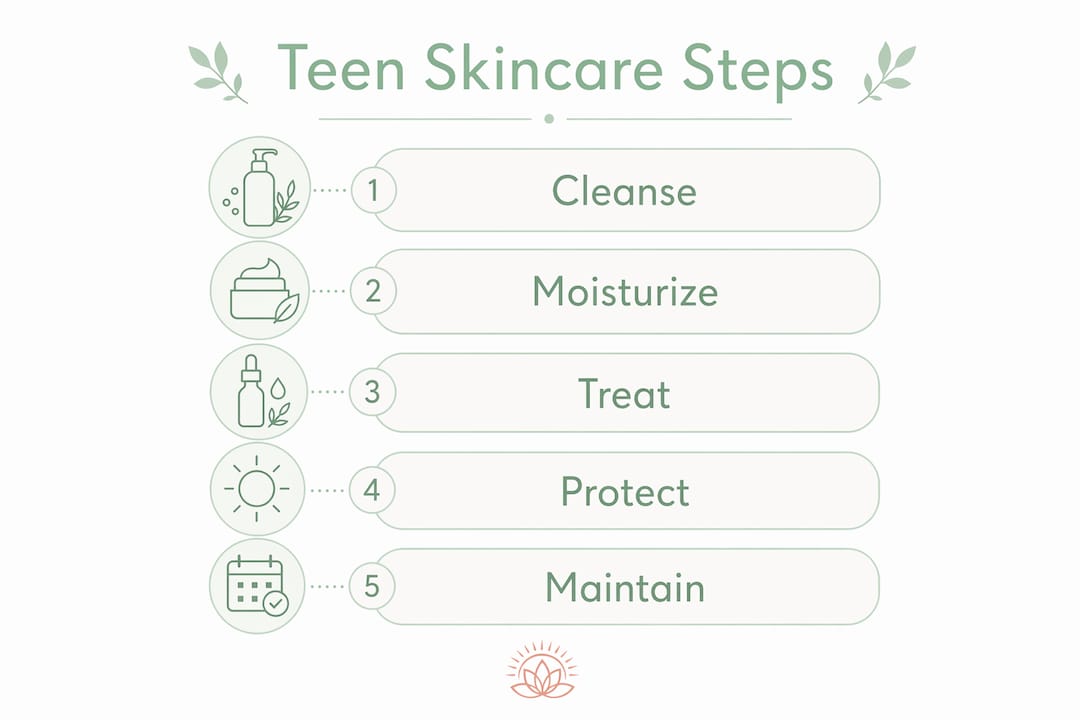
A clear, numbered sequence removes the guesswork from starting a simple skincare routine. Follow these steps in order and give each one at least two weeks before adding anything new.
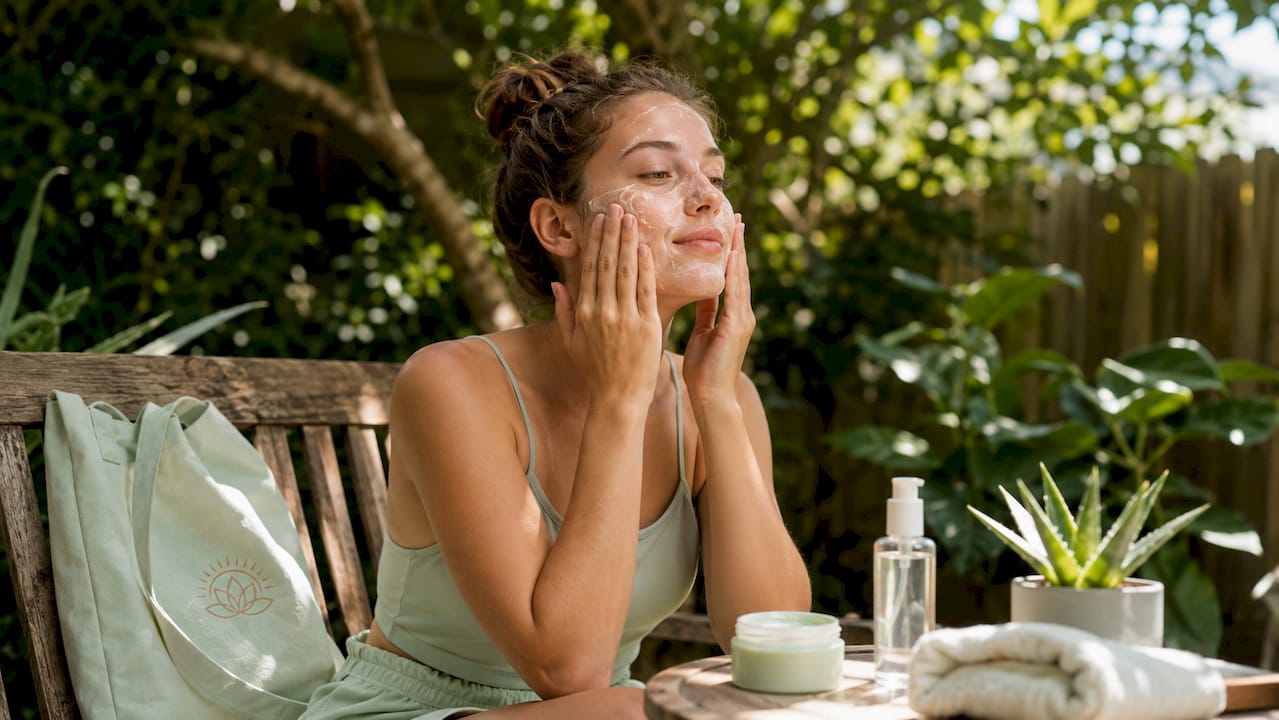
- Cleanse in the morning. Use a gentle, fragrance-free, pH-balanced cleanser. Wet your face with lukewarm water, apply a small amount, and rinse thoroughly. Pat dry with a clean towel.
- Cleanse at night. Repeat the same cleanser to remove sunscreen, sweat, and daily buildup. Double cleansing is not necessary for most teens.
- Moisturize after cleansing. Apply a lightweight, non-comedogenic moisturizer while skin is still slightly damp. Focus on dry patches. Oily skin still needs moisture. Skipping it causes the skin to produce more oil.
- Apply sunscreen every morning. This is the last step before going outside. Use a broad-spectrum SPF 30 or higher. Mineral formulas with zinc oxide work well for oily or acne-prone skin.
- Add an acne treatment only after the base routine is stable. Wait at least two weeks on steps 1 through 4 before introducing benzoyl peroxide or salicylic acid.
The table below shows what to look for in each core product category.
| Product type | Key features for teen skin | What to avoid |
|---|---|---|
| Cleanser | Fragrance-free, pH-balanced, gentle foam or gel | Scrubs, alcohol, sulfates |
| Moisturizer | Non-comedogenic, lightweight, oil-free option available | Heavy creams, fragrance, comedogenic oils |
| Sunscreen | Broad-spectrum SPF 30+, mineral or hybrid formula | Greasy chemical-only formulas that pill under makeup |
| Acne treatment | Benzoyl peroxide 2.5% or salicylic acid 0.5–2% | Stacking both actives at once |
Pro Tip: Patch test any new product on your inner arm for 48 hours before applying it to your face. This one step prevents most bad reactions.
You can find moisturizers for all skin types that fit these criteria without spending a lot. Affordable skincare for teenagers does not require premium pricing. The formula matters more than the brand name.
How to manage common teenage skin concerns safely
Acne is the most common skin concern for teens, and it has a clear biological cause. Hormonal changes during puberty increase sebum output, which mixes with dead skin cells and clogs follicles. Bacteria then cause inflammation. This process is not caused by diet or dirt alone.
The AAD recommends benzoyl peroxide for acne management in patients aged 9 and older. It kills acne-causing bacteria and reduces inflammation. Topical retinoids are also recommended. Topical antibiotics used alone are not, due to resistance concerns.
Benzoyl peroxide improves mild to moderate acne within a few weeks. It can cause redness and itching, especially at higher concentrations. Start with 2.5% to minimize side effects. Salicylic acid helps unclog pores but may cause dryness and peeling, and the evidence for acne reduction is less clear than for benzoyl peroxide.
For severe acne that does not respond to over-the-counter products, a dermatologist may discuss prescription options including isotretinoin. Updated prescribing guidance now allows isotretinoin for under-18s with enhanced monitoring and patient education requirements. This is a medical decision that requires professional supervision.
Safe practices and warning signs to know:
- Do: Use benzoyl peroxide or salicylic acid, not both at the same time
- Do: Give any acne treatment at least 6–8 weeks before judging results
- Do: See a dermatologist if acne is painful, cystic, or leaving scars
- Don’t: Scrub skin hard to remove acne. It worsens inflammation
- Don’t: Pop or pick pimples. This spreads bacteria and causes scarring
- Don’t: Use unproven treatments from social media without checking with a professional
“Effective acne management combines multiple mechanisms like benzoyl peroxide and retinoids, not topical antibiotics alone, for safer long-term use.” — AAD 2024 Guideline Summary
Tips for maintaining your routine and troubleshooting problems
Consistency is the most important factor in any teen skincare routine. Results from acne treatments take weeks to appear. Stopping a product after five days because you see no change is the most common mistake teens make. Give each product a full 6–8 week trial before deciding it does not work.
When your skin reacts badly to a new product, remove it first before adding anything else. Introducing acne medication gradually after a stable base routine prevents confusion between irritation and treatment failure. If you add three products at once and your skin breaks out, you will not know which one caused it.
Daily habits outside of products also affect your skin. Changing your pillowcase twice a week reduces bacteria transfer. Keeping your hands away from your face limits contamination. These habits cost nothing and make a real difference.
Pro Tip: If your skin feels tight, dry, or stings after cleansing, your cleanser is too harsh. Switch to a gentler formula before adding any acne treatment.
Routine do’s and don’ts:
- Do: Cleanse twice daily, every day, even when tired
- Do: Apply SPF every morning, including cloudy days and indoors near windows
- Do: Ask a parent or dermatologist for help if your skin is not improving
- Don’t: Skip moisturizer because your skin is oily
- Don’t: Use multiple exfoliants or actives at the same time
- Don’t: Expect overnight results. Skin cycles take about 28 days
Sun protection education matters beyond acne. Daily SPF use is the single most effective step for long-term skin health. Starting this habit as a teenager builds a foundation that protects against sun damage for decades. The parent’s safety guide from Lumina Skin Sanctuary covers this topic in detail for families navigating teen skincare together.
Key takeaways
A teen skincare routine built on cleansing, moisturizing, and daily SPF is the most effective and evidence-backed starting point for adolescent skin health.
| Point | Details |
|---|---|
| Start with three steps | Cleanse, moisturize, and apply SPF daily before adding any acne treatment. |
| Protect the skin barrier first | Stabilize with gentle products for two weeks before introducing benzoyl peroxide or salicylic acid. |
| Use benzoyl peroxide for acne | The AAD recommends it for teens aged 9 and older; start at 2.5% to reduce side effects. |
| Never stack actives | Use benzoyl peroxide or salicylic acid separately to identify what works and avoid irritation. |
| Consistency beats complexity | A simple routine done daily outperforms a complex routine done inconsistently. |
What I have learned from years of watching teen skin respond to simple routines
The teens I see at Lumina Skin Sanctuary in Fort Myers almost always arrive with the same problem. They have tried too many products at once, their skin is irritated, and they have lost confidence in the process. The fix is almost always the same: strip it back to three steps and wait.
What surprises most people is how fast skin improves when you stop fighting it. Removing the harsh scrubs, the stacked serums, and the alcohol toners often clears up irritation within two weeks. The skin was not broken. It was overwhelmed.
The emotional side of this matters too. Building a routine you can actually stick to builds confidence. You stop feeling reactive and start feeling in control. That shift is real, and it comes from simplicity, not from buying more products.
My honest advice: ignore the 10-step routines on social media. They are not designed for teen skin. They are designed for engagement. Start with a gentle cleanser, a basic moisturizer, and SPF. Add benzoyl peroxide only if you need it. Be patient. Your skin will respond.
— Kira Tia
Professional teen skincare services at Lumina Skin Sanctuary in Fort Myers
Building a home routine is a strong start. A professional treatment takes results further, especially for teens dealing with persistent acne or sun-related concerns in Florida’s climate.
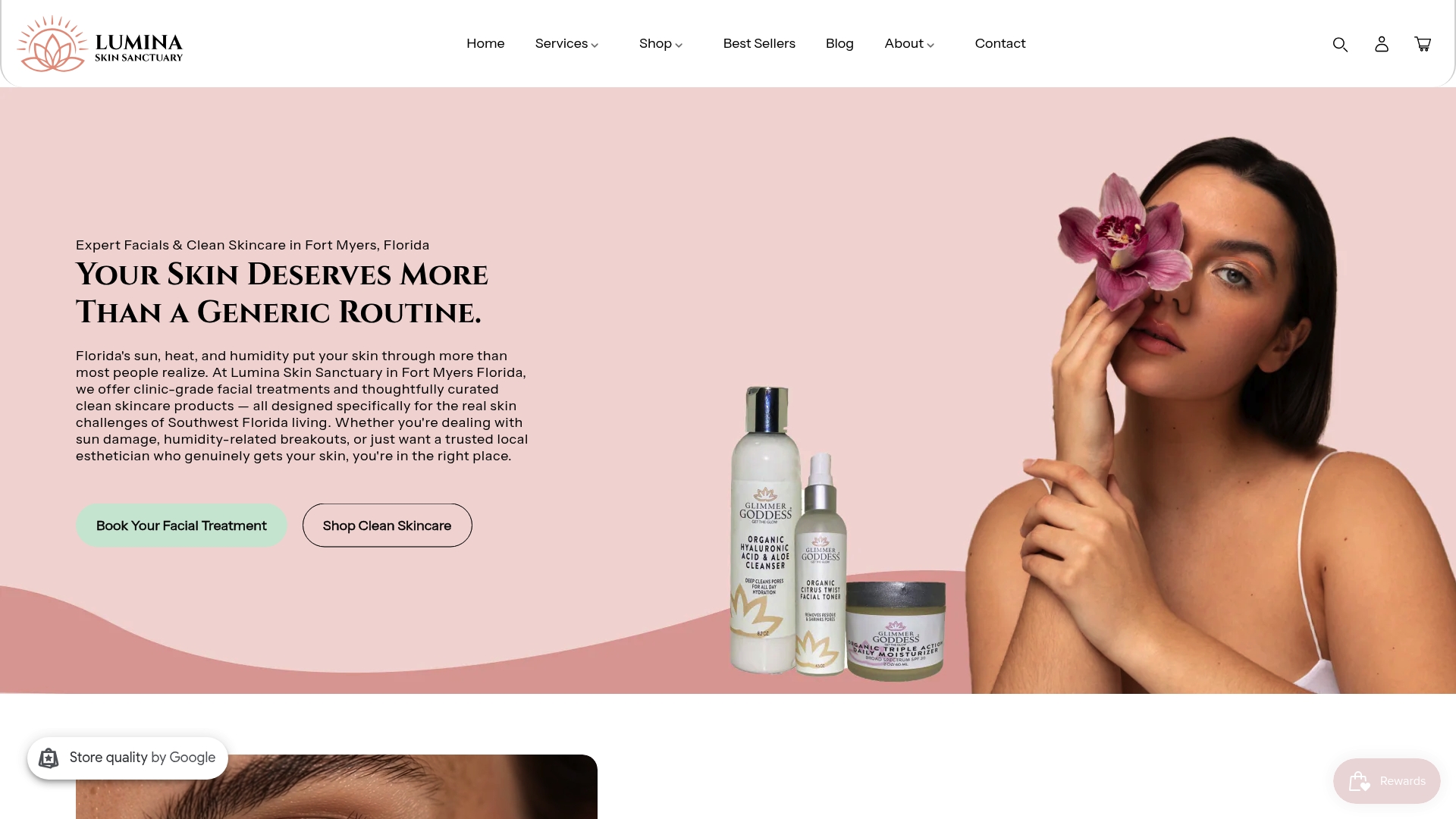
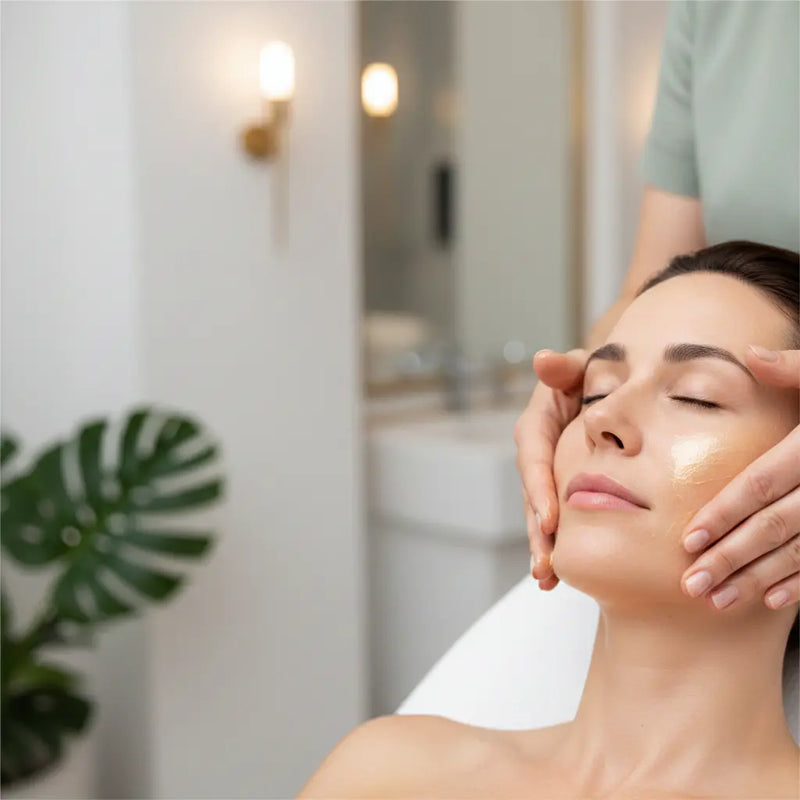
Lumina Skin Sanctuary in Fort Myers offers the Lumina Galvanic Facial Treatment and the Radiant Glow Clinic-Grade Facial, both suitable for teen skin. Each session includes a personalized skin consultation so the treatment fits your specific concerns, whether that is acne, oiliness, or sun exposure. Teens and parents can book a session to get professional guidance that complements the home routine, not replaces it.
FAQ
What is the best skincare routine for teenagers?
The best routine for teens includes three steps: cleanse twice daily with a gentle fragrance-free cleanser, apply a lightweight non-comedogenic moisturizer, and use broad-spectrum SPF 30 or higher every morning. Dermatologists confirm this three-step approach works for all teen skin types.
When should a teenager start using acne treatments?
Introduce acne treatments like benzoyl peroxide only after establishing a stable base routine for at least two weeks. The AAD recommends benzoyl peroxide for teens aged 9 and older as a first-line topical treatment for mild to moderate acne.
Can teenagers use both benzoyl peroxide and salicylic acid?
Stacking benzoyl peroxide and salicylic acid raises irritation risk significantly. Use one active at a time to identify what works and to protect the skin barrier.
How long does it take for a teen skincare routine to show results?
Acne treatments typically show improvement within a few weeks, but full results take 6–8 weeks. Stopping a product before that window gives an inaccurate picture of whether it is working.
Do oily-skinned teens still need moisturizer?
Yes. Skipping moisturizer on oily skin causes the skin to produce more oil as a compensatory response. A lightweight, non-comedogenic moisturizer keeps the skin barrier stable without adding excess shine.


