


You cleanse your face, pat it dry, and within minutes your skin feels stretched, uncomfortable, or almost squeaky. If you have ever wondered, why does my skin feel tight, that sensation is usually a sign that your skin barrier needs more support, not more scrubbing.
Tight skin is often mistaken for clean skin. In reality, that pulled feeling can mean your skin has lost too much water, too much oil, or both. It can happen after washing, after a hot shower, in dry weather, or even in the middle of a skincare routine that seems perfectly fine on paper. Skin that feels tight is asking for balance.
Why does my skin feel tight after cleansing?
This is one of the most common times people notice it. A cleanser can leave skin feeling refreshed, but if it removes too much of the skin’s natural protective layer, you are left with that dry, tense feeling right away.
Harsh surfactants are a frequent cause. These are the ingredients that lift away dirt, oil, sunscreen, and makeup. Some do that job a little too well, especially if your skin is already dry, sensitive, or using exfoliating products. A foaming cleanser is not automatically bad, but if your skin feels stripped after every wash, it may be too aggressive for you.
Water temperature matters too. Hot water feels relaxing, but it can weaken the skin barrier and increase moisture loss. The same goes for over-cleansing. Washing in the morning, after the gym, before bed, and again after removing makeup may sound thorough, but for many skin types it is simply too much.
If the tightness starts right after cleansing and eases only after moisturizer, your routine is giving you a useful clue. Your skin likely needs a gentler cleanser, less frequent washing, or a stronger focus on replenishing hydration after you cleanse.
The skin barrier is usually the real issue
When skin feels tight, the deeper story often comes back to the barrier. Your skin barrier is the outermost layer that helps hold moisture in and keeps irritants out. When it is healthy, skin tends to feel calm, smooth, and comfortable. When it is disrupted, skin can feel tight, flaky, reactive, and easily irritated.
This barrier depends on a mix of water, lipids, and natural moisturizing factors. If one part of that balance is off, the skin can start losing water faster than it should. That is called transepidermal water loss, and it often shows up as dryness, tightness, or stinging.
You do not need visibly peeling skin to have a compromised barrier. Sometimes the first sign is simply that your face feels uncomfortable after washing or when you smile. That mild-but-persistent tightness is worth paying attention to.
Common reasons your skin feels tight
Dry skin is the obvious one, but it is not the only explanation. Tightness can show up in dry, combination, acne-prone, and even oily skin.
Over-exfoliation is a major trigger. If you are using acids, retinoids, scrubs, acne treatments, or even exfoliating cleansing brushes too often, your skin may not have enough time to recover. People often respond to rough texture or breakouts by exfoliating more, which can make the problem worse.
Weather can also be a factor. Cooler months, indoor heat, air conditioning, wind, and low humidity can all pull moisture out of the skin. Even in sunny climates like Fort Myers, skin can still become dehydrated from sun exposure, salt air, and frequent time in climate-controlled spaces.
Your products may be working against each other. A routine with a strong cleanser, an exfoliating toner, a retinol serum, and a lightweight gel moisturizer may sound polished, but for some skin types it is too active and not supportive enough. Clean, effective skincare should still leave skin comfortable.
There is also the difference between dry skin and dehydrated skin. Dry skin lacks oil. Dehydrated skin lacks water. You can have oily skin that is dehydrated, which is why some people feel tight and shiny at the same time. If your face gets greasy but still feels uncomfortable underneath, dehydration may be part of the picture.
How to tell if tight skin is dryness, dehydration, or irritation
The details matter. If your skin feels tight all day, looks dull, and tends to flake, dryness may be the main issue. If it feels tight but also looks shiny or gets oily quickly, dehydration is more likely. If it feels tight along with burning, redness, or sensitivity when you apply products, irritation or barrier damage may be involved.
Sometimes it is a mix. That is where skincare gets more personal. The goal is not to label your skin perfectly on day one. The goal is to notice patterns and respond gently.
A simple question helps: when did this start? If the tightness appeared after switching products, increasing exfoliation, starting acne treatment, traveling, or changing seasons, the cause may be easier to pinpoint than you think.
What helps tight skin feel comfortable again
The first step is usually to simplify. Skin that feels tight does not need a complicated rescue routine. It needs less stress and more support.
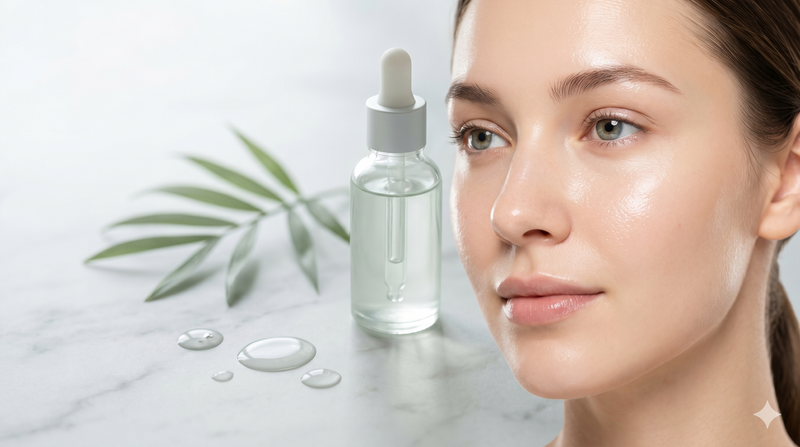
Start with a gentle cleanser that removes what it needs to remove without leaving your face squeaky. After cleansing, apply hydration while skin is still slightly damp. A serum with humectants such as hyaluronic acid or glycerin can help draw in water, but humectants work best when followed by a moisturizer that helps seal that hydration in.
Your moisturizer matters more than many people realize. If your skin feels tight even after applying one, it may be too lightweight for your current needs. Creams with barrier-supportive ingredients like ceramides, squalane, fatty acids, and panthenol can make a noticeable difference. They help restore comfort instead of just giving a temporary soft feel.
If you are using active ingredients, consider reducing frequency for a week or two. This is especially true for retinoids, exfoliating acids, and benzoyl peroxide. You do not necessarily have to stop them forever, but skin often needs a reset before it can tolerate them well again.
And do not skip sunscreen. Sun exposure can quietly worsen dehydration and sensitivity, even when the weather feels mild. Daily protection helps prevent the cycle of irritation from continuing.
What not to do when your skin feels tight
The biggest mistake is assuming tighter means cleaner. That idea leads people to wash more, exfoliate more, and use stronger products, which usually strips the skin further.
It is also tempting to pile on random hydrating products without looking at the full routine. If the cleanser is too harsh or the exfoliation is too frequent, adding another serum may not solve the root issue.
Fragrance-heavy products can be tricky as well, especially if your skin is already feeling reactive. Not everyone is sensitive to fragrance, but when the barrier is compromised, even normally tolerated products can start to sting.
If your skin feels tight and oily, avoid trying to dry it out. That often pushes the skin into a cycle where it overcompensates. Balanced hydration tends to help more than aggressive oil control.
When tight skin may need professional guidance
If the feeling keeps returning no matter what you change, it may be time for a closer look. Persistent tightness can be linked to eczema, contact dermatitis, rosacea, or an ongoing reaction to something in your routine. In some cases, what seems like simple dryness is actually chronic irritation.
A professional skin consultation can help sort through that faster. Instead of guessing which product is causing the issue, you can look at your routine as a whole and identify where your skin is being overworked or under-supported. That is often the turning point for people who have tried everything and still feel uncomfortable.
At Lumina Skin Sanctuary, that kind of gentle, personalized approach matters because skin usually responds best when care is consistent, simple, and tailored to what it actually needs.
Why does my skin feel tight even when I moisturize?
If moisturizer is not solving it, the answer may be that your skin is missing water, lipids, or barrier support in a deeper way. A moisturizer can only do so much if you are still over-cleansing, over-exfoliating, or using treatments your skin cannot comfortably tolerate.
Formula texture can also be misleading. A lightweight product may feel elegant but not provide enough lasting comfort. On the other hand, a very rich cream is not always the right answer if dehydration is the bigger issue and no water-binding step comes first. Skin often needs both hydration and sealing support.
The good news is that tight skin is usually responsive once you stop aggravating it. A calmer cleanser, fewer actives, and a better barrier-focused moisturizer can shift the skin surprisingly quickly.
When your skin feels tight, think of it less as a mystery and more as useful feedback. Comfort is not a luxury in skincare. It is one of the clearest signs that your routine is working with your skin instead of against it.


