


Your skin can feel tight, look dull, and suddenly start overreacting even when you are already using moisturizer. That is usually the moment people start asking how to hydrate dehydrated skin, and the answer is often simpler than expected. Dehydrated skin is not a skin type. It is a skin condition, which means oily, combination, acne-prone, and even sensitive skin can all become dehydrated.
That distinction matters because treating dehydration like dryness can leave skin feeling heavier, greasier, or more congested without actually solving the problem. If your skin seems thirsty, easily irritated, or less plump than usual, the goal is not to pile on random products. The goal is to help your skin hold water more effectively while keeping the barrier calm and supported.
What dehydrated skin really looks like
Dehydrated skin lacks water. Dry skin lacks oil. You can have one without the other, and many people have a mix of both. Someone with oily skin may still notice tightness after cleansing, makeup that looks patchy by midday, or fine lines that appear more noticeable when the skin is under-hydrated.
Common signs include a dull or tired look, rough texture, sensitivity, temporary redness, and that frustrating feeling where your skin feels dry on the surface but still gets shiny. In many cases, dehydration also makes skin less predictable. Products that were once fine may suddenly sting, and breakouts can become more frequent because a stressed barrier tends to be more reactive.
How to hydrate dehydrated skin without overwhelming it
The best approach is gentle and consistent. Dehydrated skin usually responds better to a steady routine than an aggressive reset. If you strip the skin, exfoliate too often, or keep switching products, you make it harder for the barrier to recover.
Start with the basics. Use a gentle cleanser that removes sunscreen, makeup, and buildup without leaving your face squeaky clean. That tight, overly clean feeling is usually a sign your cleanser is taking too much with it. Skin should feel fresh after cleansing, not exposed.
After cleansing, apply hydration while your skin is still slightly damp. This is where lightweight, water-supporting formulas can make a real difference. Ingredients like hyaluronic acid, glycerin, panthenol, aloe, and polyglutamic acid help attract water to the skin. They work best when followed by a moisturizer that helps seal that hydration in.
Moisturizer is where many routines either help or hurt. If your moisturizer is too light, hydration escapes quickly. If it is too heavy for your skin, you may feel coated without actually improving water balance. Look for a formula that combines humectants with barrier-supportive ingredients such as ceramides, squalane, fatty acids, or cholesterol. Those ingredients help reduce moisture loss and make skin feel more comfortable over time.
In the morning, finish with sunscreen. Daily UV exposure weakens the skin barrier and contributes to dehydration, even when you are not spending hours in direct sun. If your skin keeps feeling parched despite a good routine, skipping sunscreen may be part of the reason.
The ingredients that usually help most
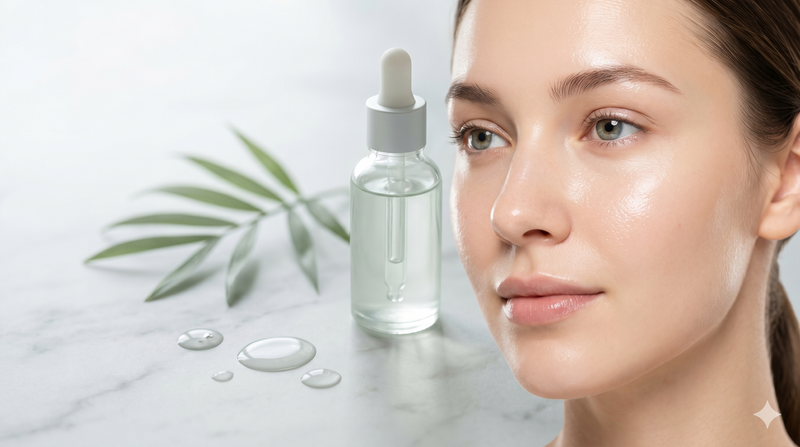
When skin is dehydrated, the most helpful products are often the least dramatic. A simple hydrating serum can be more useful than a strong treatment if your barrier is already stressed.
Humectants pull water into the upper layers of the skin. Glycerin is one of the most reliable and underrated options because it hydrates effectively and tends to be well tolerated. Hyaluronic acid is popular for good reason, but it performs best when used in a formula that also includes barrier support and is followed by moisturizer.
Ceramides are especially helpful if your skin feels both dehydrated and sensitive. They support the skin barrier, which is essential if hydration seems to disappear shortly after you apply it. Niacinamide can also help, especially at moderate levels, because it supports barrier function and can improve overall skin balance. That said, not every skin type loves high percentages, so this is one of those it depends situations.
Facial oils can be useful, but they are not hydration on their own. Oils help soften skin and reduce water loss, but they do not replace water-binding ingredients. If you love an oil, think of it as a finishing step over hydrating layers, not as the main source of hydration.
What to stop doing if your skin stays dehydrated
Sometimes the fastest way to improve dehydrated skin is to remove the habits that keep causing it.
Over-cleansing is a common issue, especially if you wash your face in the morning and again at night with a strong foaming cleanser. For some people, a simple rinse or a very gentle cleanse in the morning is enough. If your skin feels better when you scale back, that is useful information.
Over-exfoliation is another major trigger. Acids, scrubs, exfoliating pads, and retinoids all have a place, but too much too often can leave skin inflamed and depleted. If your skin is tight, shiny in an irritated way, or suddenly more reactive, take a short break from strong actives and focus on replenishing hydration first.
Long hot showers, dry indoor air, and frequent exposure to heat can also make a difference. You do not need to overhaul your life, but small shifts help. Lukewarm water, shorter showers, and using a humidifier in dry seasons can support your skin more than people realize.
A simple routine for dehydrated skin
If your routine feels cluttered, simplify it for two to three weeks and watch how your skin responds.
In the morning, use a gentle cleanse if needed, then apply a hydrating serum, a barrier-friendly moisturizer, and sunscreen. At night, cleanse thoroughly but gently, apply hydration again, and finish with moisturizer. If your skin is very dehydrated, you can add a richer cream at night or press a few drops of facial oil over moisturizer.
This is also the time to be selective with treatments. You may not need to stop every active ingredient, but spacing them out can help. Using an exfoliant and a retinoid in the same evening, for example, may be too much for skin that is already struggling to hold water.
Why your skin can be dehydrated even if you drink water
Drinking enough water matters for overall health, but it is not a direct fix for facial dehydration. Skin dehydration is often more about barrier function and transepidermal water loss than about whether you had enough water with lunch.
That is why topical care matters. If your barrier is compromised, water escapes faster than your skin can maintain balance. Think of hydration as a two-part process: adding water-supporting ingredients, then helping the skin keep that water where it belongs.
Lifestyle can still play a role. Stress, travel, sleep disruption, cold weather, sun exposure, and overuse of active skincare products can all show up on the skin. Hormonal shifts and certain medications can also make dehydration more noticeable. When the cause is layered, the solution usually needs to be steady rather than aggressive.
When a professional treatment can help
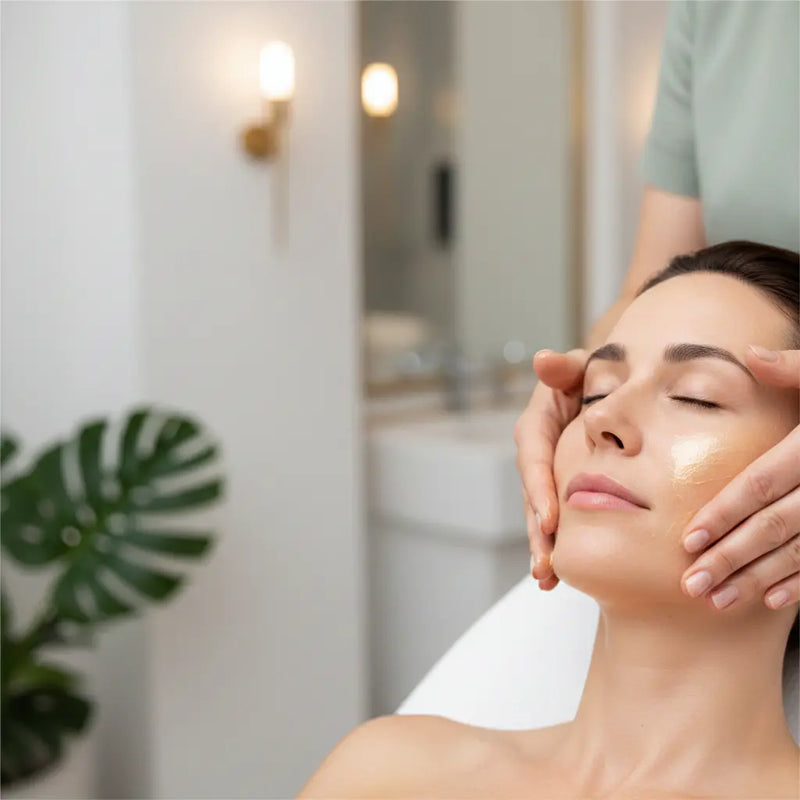
If your skin feels persistently dehydrated no matter what you use at home, a professional facial can be a smart reset. Customized treatments can help replenish hydration, soothe irritation, and remove buildup without pushing the skin further out of balance.
This can be especially useful if you are dealing with multiple concerns at once, such as dehydration, sensitivity, acne, or dullness. In that case, product choice becomes more nuanced. Skin may need hydration and calming support before it is ready for stronger brightening or resurfacing treatments.
For clients in Babcock Ranch, Fort Myers, or Cape Coral, professional guidance can also take some of the guesswork out of shopping. A well-chosen home routine does not need to be complicated. It just needs to be right for your skin now, not for the version of your skin you had six months ago.
How to tell if your routine is working
Hydrated skin usually looks calmer before it looks dramatically glowier. You may notice less tightness after cleansing, smoother makeup application, softer texture, and fewer random flare-ups. Fine dehydration lines often look less obvious once the skin is consistently supported.
Give your routine a little time. Some products feel comforting instantly, but barrier recovery is usually gradual. If your skin is still stinging, peeling, or looking more inflamed after a couple of weeks, the issue may not be dehydration alone. That is a good moment to reassess ingredients, simplify again, or seek a professional opinion.
The healthiest skin rarely comes from doing more. It comes from noticing what your skin is asking for, responding gently, and staying consistent long enough to let that care work.


