

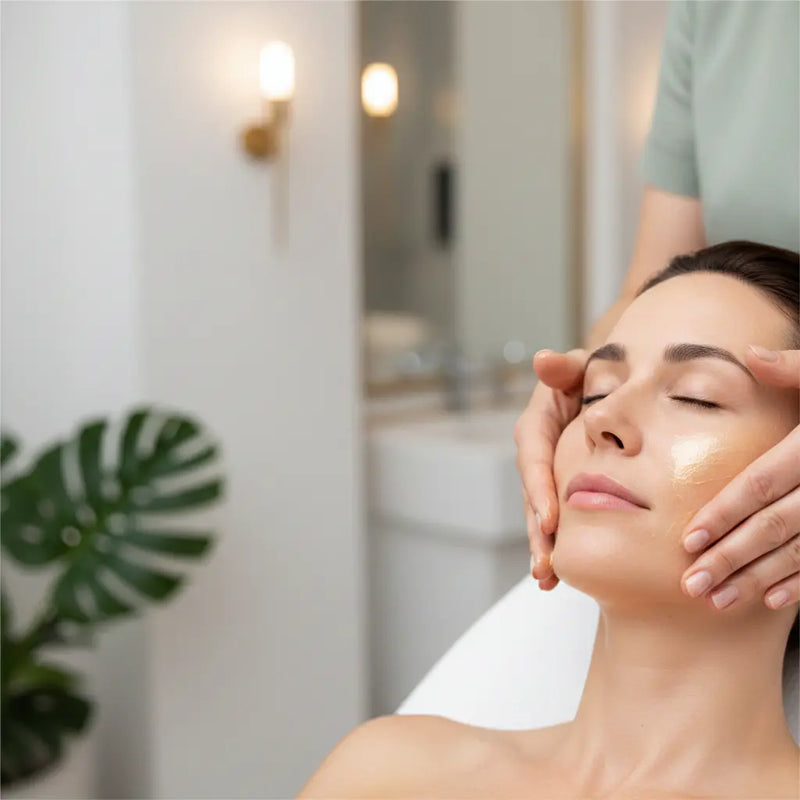


Dry skin rarely needs more "deep cleaning." More often, it needs relief. If you have that tight, papery feeling after washing your face, flaky patches under makeup, or skin that looks dull no matter how much moisturizer you apply, choosing the best facial for dry skin comes down to one thing - support, not stress.
A good facial for dry skin should help your skin hold onto water, calm irritation, and strengthen the barrier that keeps moisture in. That sounds simple, but not every facial labeled "hydrating" truly does that. Some treatments feel luxurious in the moment yet leave skin more vulnerable a day later. The right choice is less about trends and more about how your skin behaves after treatment.
What is the best facial for dry skin?
For most people, the best facial for dry skin is a customized hydrating facial that focuses on gentle exfoliation, barrier support, and moisture infusion. In practice, that usually means a treatment built around creamy cleansers, mild enzyme exfoliation, nourishing masks, facial massage, and ingredients like hyaluronic acid, glycerin, ceramides, squalane, and soothing botanical extracts.
Customization matters because dry skin is not always the same from person to person. One client may have naturally dry skin year-round. Another may be dealing with seasonal dryness, post-acne dryness from active products, or dehydration layered on top of sensitive or mature skin. A facial should adjust to those differences instead of forcing every complexion through the same routine.
If your skin is dry and reactive, a calm, restorative facial often delivers better results than an aggressive resurfacing treatment. If your skin is dry and congested, the answer may be a balanced treatment that softens buildup without stripping your barrier. The goal is comfortable, healthy, radiant skin - not that squeaky-clean feeling that so often signals overdoing it.
Why dry skin needs a different kind of facial
Dry skin has less oil, but that is only part of the picture. Many people with dryness also have a weakened skin barrier, which means moisture escapes more easily and irritants get in more easily. That is why dry skin can look rough, feel sensitive, and become red after treatments that other skin types tolerate well.
A facial that works beautifully for oily or acne-prone skin can be too much for dry skin. Strong acids, frequent extractions, harsh scrubs, and high-heat treatments may leave the skin looking polished for a few hours while setting off tightness and irritation later. Dry skin usually responds better to thoughtful exfoliation, richer hydration, and ingredients that restore comfort.
That does not mean dry skin should never be exfoliated. It means exfoliation should be controlled and purposeful. Removing surface buildup can help skin absorb hydrating products more effectively, but the method matters. Gentle enzyme exfoliation or a very mild acid can improve softness without creating that raw, over-processed feeling.
The features to look for in a facial for dry skin
The best treatments tend to share a few qualities. First, they cleanse without foam-heavy stripping. Second, they exfoliate lightly enough to smooth the skin while respecting the barrier. Third, they layer hydration in a way that actually lasts beyond the treatment room.
Look for facials that include humectants, emollients, and barrier-supportive ingredients. Humectants such as hyaluronic acid and glycerin draw water into the skin. Emollients like squalane and nourishing oils soften and smooth. Barrier-supportive ingredients such as ceramides help reinforce the skin so that hydration stays where it belongs.
A good facial for dry skin also pays attention to comfort during the service. Steam should be moderate, not excessive. Massage should feel soothing, not abrasive. Masks should replenish, not tingle. If a treatment is built around intense peeling, repeated exfoliation, or an extended drying phase, it may not be the best fit unless your esthetician has a very specific reason and a plan to protect your skin afterward.
Facials that usually work well for dry skin
A customized hydrating facial is often the safest and most effective place to start. This kind of service can be adjusted to your skin condition that day, which is helpful because dryness changes with weather, travel, hormones, and home care habits. The treatment may include a gentle cleanse, mild exfoliation, a hydrating serum, a rich mask, and finishing products chosen to seal in moisture.
Oxygen facials can also be a good option for some dry skin types, especially when the formulas used are focused on hydration and soothing rather than actives that may sting. They can leave skin looking fresher and more awake, though results may be best when paired with a consistent home routine.
Enzyme facials are another strong choice when flaking and dullness are part of the problem. Enzymes can loosen dead skin cells with less friction than scrubs, which makes them appealing for skin that needs smoothing but not harshness. The trade-off is that not every enzyme treatment is equally gentle, so formulation and professional judgment matter.
For mature dry skin, a restorative facial with massage and barrier-repair ingredients can be especially helpful. Dryness often becomes more noticeable with age, and skin may benefit from treatments that support suppleness rather than chase intensity. A facial does not need to feel dramatic to be effective.
Treatments to approach carefully
If your skin is dry, there are a few services worth discussing in detail before booking. Strong chemical peels, microdermabrasion, and more aggressive resurfacing treatments can be appropriate in some cases, but they are not automatically the best facial for dry skin just because they promise glow or smoothness.
The issue is not that these treatments are bad. It is that dry skin has less margin for error. If your barrier is already stressed, a stronger treatment may increase sensitivity, redness, and flaking. For some clients, especially those also managing sun damage or texture concerns, a light peel under professional guidance may still make sense. But it should be selected conservatively and followed by careful recovery support.
If you are using retinoids, acne treatments, or exfoliating acids at home, mention that before your service. That single detail can change what your skin is ready for.
How to know if your facial is helping
A successful facial for dry skin should leave your skin feeling softer, calmer, and more comfortable, not just temporarily shiny. You may notice a smoother texture, less visible flaking, and a more rested look. Makeup should sit better. Your skin should feel more balanced over the next several days, especially if you follow the aftercare guidance.
What you do not want is burning, lingering redness, tightness, or a sudden wave of sensitivity to products that usually feel fine. Those are signs the treatment may have been too much for your current skin condition.
This is one reason consultation matters so much. The best service is not always the one with the longest menu description. It is the one that responds to what your skin actually needs now.
How to make your results last at home
Even the best facial for dry skin has limits if your daily routine keeps pulling moisture back out. Home care does not need to be complicated, but it does need to be consistent. Use a gentle cleanser, apply hydrating products on slightly damp skin, and seal them in with a moisturizer that supports the barrier.
If your skin is very dry, think in layers rather than one heavy product doing all the work. A hydrating serum under a cream often performs better than a cream alone. At night, some skin types also benefit from a richer final layer to reduce overnight moisture loss.
Pay attention to the products that quietly work against you. Over-cleansing, hot water, frequent exfoliation, and alcohol-heavy formulas can keep dry skin in a cycle of short-term improvement and long-term irritation. Simpler, effective formulas often give more stable results.
If you are booking regular facials, spacing matters too. Monthly treatments work well for many people, but very dry or sensitive skin may need a slower rhythm at first, with the focus placed on restoring balance. In a professional setting, customized facials can bridge that gap between visible results and gentle care, which is why so many clients looking for comfort and glow respond well to a treatment plan instead of a one-time fix.
When to book a professional facial
If dryness keeps returning no matter what you try, or your skin stings with products that used to feel fine, it may be time for a professional evaluation. Persistent dryness can be linked to barrier damage, overuse of actives, seasonal shifts, or even using the wrong moisturizer for your skin type.
A thoughtful esthetician can help you separate dry skin from dehydrated skin, identify triggers, and choose a facial that supports your skin instead of overwhelming it. For clients in Babcock Ranch, Fort Myers, or Cape Coral, that kind of personalized guidance can make all the difference, especially when your treatment and home routine are aligned.
Healthy skin rarely comes from forcing it into submission. If your skin feels dry, listen to that signal. The right facial should leave you looking refreshed, but just as importantly, it should help your skin feel like itself again - softer, steadier, and easier to care for every day.


