
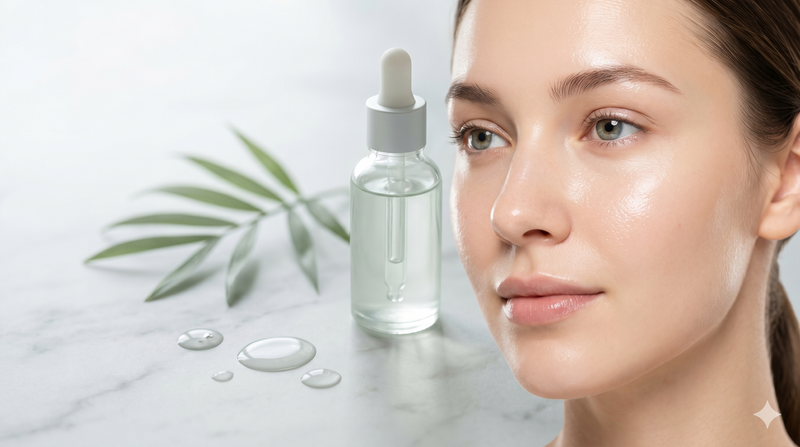
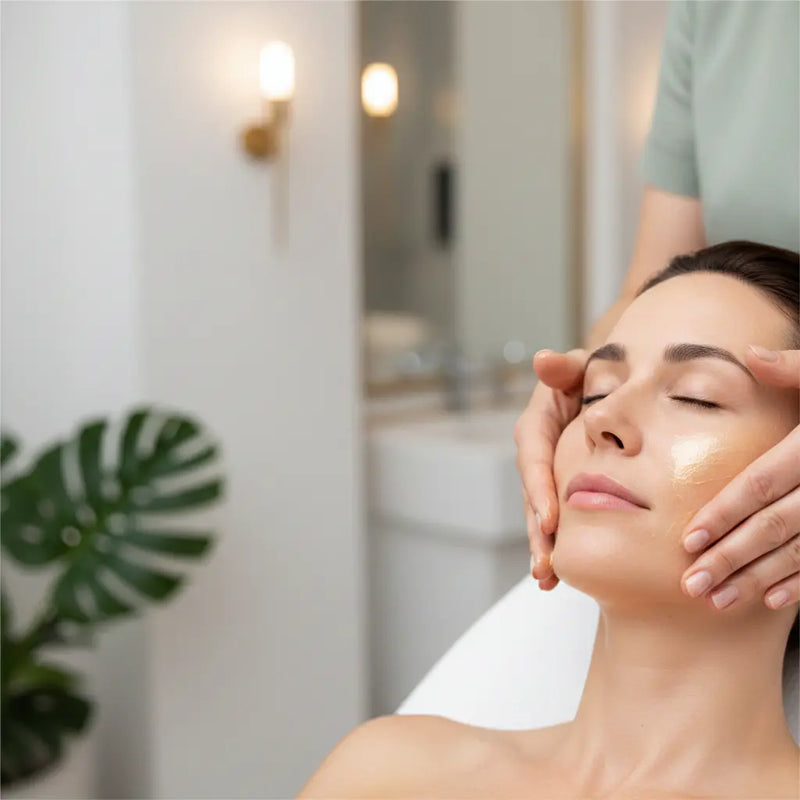


If your skin seems to react to everything all at once - weather changes, a new cleanser, too much exfoliation, even stress - you are not imagining it. The current wave of skincare trends for sensitive skin is moving away from harsh, fast-acting promises and toward something far more useful: protecting the skin so it can function well every day.
That shift matters because sensitive skin does not usually need more stimulation. It needs less friction, fewer surprises, and formulas that support comfort while still delivering visible results. For many people, the best trend is not the newest ingredient. It is a calmer routine that finally stops the cycle of irritation.
Why skincare trends for sensitive skin are changing
For years, skincare culture rewarded intensity. Strong acids, daily exfoliation, fragranced actives, and complicated 10-step routines were often presented as the path to glow. Sensitive skin rarely responds well to that approach. Redness, stinging, tightness, flaking, and sudden breakouts can all show up when the barrier is pushed too hard.
Now, both brands and clients are becoming more ingredient-aware. People are asking better questions. Does this product support the skin barrier? Will it increase inflammation? Can I use it consistently without a setback? That is a healthier direction, especially for anyone whose skin is reactive, acne-prone, dry, or easily dehydrated.
The biggest change is that gentle no longer means ineffective. Modern sensitive-skin formulas are often better balanced, more elegant, and more intentional than older versions that focused only on avoiding irritation. Today, the goal is comfort with results.
The trends actually worth paying attention to
Barrier repair is no longer a niche idea
One of the clearest trends is the focus on barrier health. Instead of trying to peel or scrub the skin into looking smoother, more routines now center on keeping the outer layer strong and well hydrated. Ingredients like ceramides, glycerin, squalane, panthenol, oat, and fatty acids are getting more attention because they help reduce water loss and support resilience.
For sensitive skin, this is more than a trend. It is a foundation. When the barrier is weakened, almost everything feels stronger than it should. A vitamin C serum may sting. Retinol may become impossible to tolerate. Even plain water can leave skin tight. Barrier-supportive skincare helps bring the skin back to a steadier baseline.
Minimal routines are replacing product overload
More people are stepping away from crowded bathroom shelves and choosing a smaller group of products they can use consistently. That is good news for sensitive skin. A routine does not have to be long to be effective. In many cases, a gentle cleanser, a hydrating serum or moisturizer, and daily sunscreen can do more for skin health than a lineup of overlapping treatments.
This does not mean actives are off the table. It means they need to earn their place. If a product is not improving your skin in a measurable way, and it is increasing the chance of irritation, it may not belong in your routine.
Fragrance-free and essential-oil-free formulas are gaining ground
Consumers are becoming more selective about irritation triggers, and fragrance is high on that list. Sensitive skin does not always react to fragrance, but when it does, the reaction can be frustratingly hard to trace. The same goes for many essential oils that are marketed as natural and soothing but can still be too stimulating for reactive skin.
That is why cleaner formulation is becoming more practical and less performative. The best products for sensitive skin tend to be transparent about what is inside and restrained about what is not.
Gentle actives are replacing aggressive treatment cycles
There is still strong interest in brighter tone, smoother texture, clearer pores, and healthy aging support. The difference is how people are getting there. Instead of layering several intense products at once, sensitive-skin routines are leaning toward slower, steadier actives.
Azelaic acid, low-strength retinoids, polyhydroxy acids, niacinamide in balanced percentages, and enzyme-based exfoliation are all getting attention for this reason. They can still be effective, but they are often easier to integrate than harsher options. The trade-off is patience. Results may come more gradually, but the skin is usually under less stress.
Skin cycling is being simplified
Skin cycling became popular as a way to rotate exfoliants, retinoids, and recovery nights. For sensitive skin, the idea can be helpful, but only when simplified. A strict trend-based schedule is not automatically better than listening to your skin.
Some people do well with one active night followed by two or three recovery nights. Others may tolerate a retinoid twice a week but no exfoliating acids at all. The real trend here is flexibility. Sensitive skin often responds best when routines are adjusted based on season, stress, hormones, and signs of irritation.
What to be cautious about
Not every trend that looks clean and modern is a good match for reactive skin.
Over-exfoliation is still common, just under softer branding. If your skin is already red, tight, shiny in a compromised way, or suddenly breaking out in small inflamed bumps, adding more resurfacing is rarely the answer. The same caution applies to high-strength actives marketed as quick fixes. Sensitive skin usually pays for speed later.
Another area to watch is trend layering. A product may be well formulated on its own, but combining exfoliating toner, vitamin C, retinol, acne treatments, and a fragranced mask in the same week can create cumulative irritation. People often blame one product when the real issue is the total load on the skin.
Even skin-friendly trends like slugging or intensive occlusives can depend on your skin type. For dry, sensitive skin, they can be very comforting. For acne-prone or congestion-prone skin, they may feel too heavy. Good skincare is rarely one-size-fits-all.
How to build a trend-aware routine without upsetting your skin
Start with your baseline, not with social media
Before trying anything new, look at how your skin behaves now. Is it dry, oily, combination, acne-prone, easily flushed, or mostly reactive after product use? Sensitive skin is a broad category, and the right routine depends on what sensitivity looks like on you.
If your skin burns after cleansing, focus there first. If breakouts and redness show up together, your barrier may still need support even if acne is your biggest concern. You do not need a trendy routine. You need one that reduces noise.
Keep your core routine steady
A gentle cleanser, a nourishing moisturizer, and broad-spectrum sunscreen are still the anchor pieces. This part should feel dependable. If your basics already cause dryness or stinging, swapping those out will usually matter more than adding a serum.
This is where professional guidance can save time. In a treatment room, we often see clients trying to solve sensitivity with more products when what they really need is a better core routine and fewer irritants. That reset can change the skin surprisingly quickly.
Introduce one trend at a time
If barrier creams are having a moment, or you want to try azelaic acid, resist the urge to change everything in one week. Add one product, use it consistently, and give your skin enough time to respond. Sensitive skin can be delayed in its reactions. What seems fine for two days may start to sting by day five.
A slow introduction is not boring. It is how you figure out what truly works.
Watch for signs of progress that are not dramatic
Healthy change in sensitive skin is often subtle at first. Your face feels less tight after washing. Redness settles faster. Makeup sits better. You need fewer rescue products. Those are meaningful results.
The beauty industry tends to celebrate dramatic before-and-afters, but many people with sensitive skin are looking for something more sustainable: comfort, clarity, and consistency. That is a very worthwhile standard.
The future of sensitive-skin skincare looks better
The most promising direction is not trend-chasing. It is smarter formulation, simpler routines, and better respect for the skin barrier. That creates room for real improvement without treating irritation as the cost of beauty.
For clients in Fort Myers, Cape Coral, and Babcock Ranch who feel stuck between wanting results and needing gentleness, this shift is especially welcome. Sensitive skin does not need to be left out of modern skincare. It just needs a more thoughtful version of it.
The best trend to follow is the one that leaves your skin calmer a month from now than it is today.


