


Understanding High-UV Exposure and Your Skin's Vulnerabilities
Florida's subtropical climate presents unique dermatological challenges that extend far beyond simple sunburn prevention. High-UV exposure creates a cascade of oxidative stress reactions within your skin's cellular matrix, accelerating photoaging processes and compromising your natural barrier function. During heatwave conditions, when UV indices frequently exceed 8-10, your skin becomes particularly susceptible to DNA damage, collagen degradation, and melanogenesis irregularities.
The combination of intense solar radiation and elevated ambient temperatures triggers increased transepidermal water loss (TEWL), creating a dual threat of dehydration and photodamage. Your sebaceous glands respond by overproducing oils, while your stratum corneum struggles to maintain optimal hydration levels. This imbalance necessitates a strategic approach to photoprotection that addresses both immediate environmental stressors and long-term cellular health.
The 10-Minute Morning High UV Skincare Routine
Step 1: Gentle Cleansing (2 minutes)
Begin your high UV skincare routine with a pH-balanced cleanser that removes overnight cellular debris without compromising your acid mantle. Lukewarm water prevents unnecessary vasodilation while preserving your skin's natural lipid barrier. Massage the cleanser using upward circular motions for thirty seconds, focusing on areas prone to congestion from previous day's sunscreen application.
Pat your skin dry with a clean microfiber cloth, leaving slight dampness to enhance subsequent product absorption. This residual moisture creates an optimal environment for the next steps in your photoprotective regimen.
Step 2: Antioxidant Serum Application (1 minute)
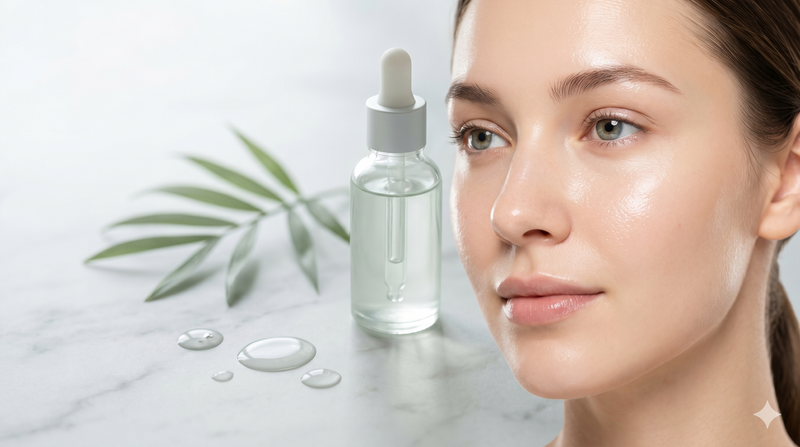
Apply a potent antioxidant serum containing L-ascorbic acid, ferulic acid, or niacinamide to neutralize free radicals before UV exposure occurs. These molecular guardians work synergistically to prevent oxidative cascade reactions that occur when photons interact with your skin's chromophores.
Vitamin C serums with concentrations between 10-20% provide optimal photoprotective benefits without causing irritation in Florida's humid climate.
Step 3: Hydrating Essence (1 minute)
Layer a lightweight hydrating essence containing hyaluronic acid or sodium PCA to boost your skin's moisture reservoir. This step is crucial for maintaining barrier integrity during prolonged UV exposure. The essence should absorb quickly without leaving tackiness that might interfere with sunscreen adhesion.
Step 4: Broad-Spectrum Sunscreen (3 minutes)
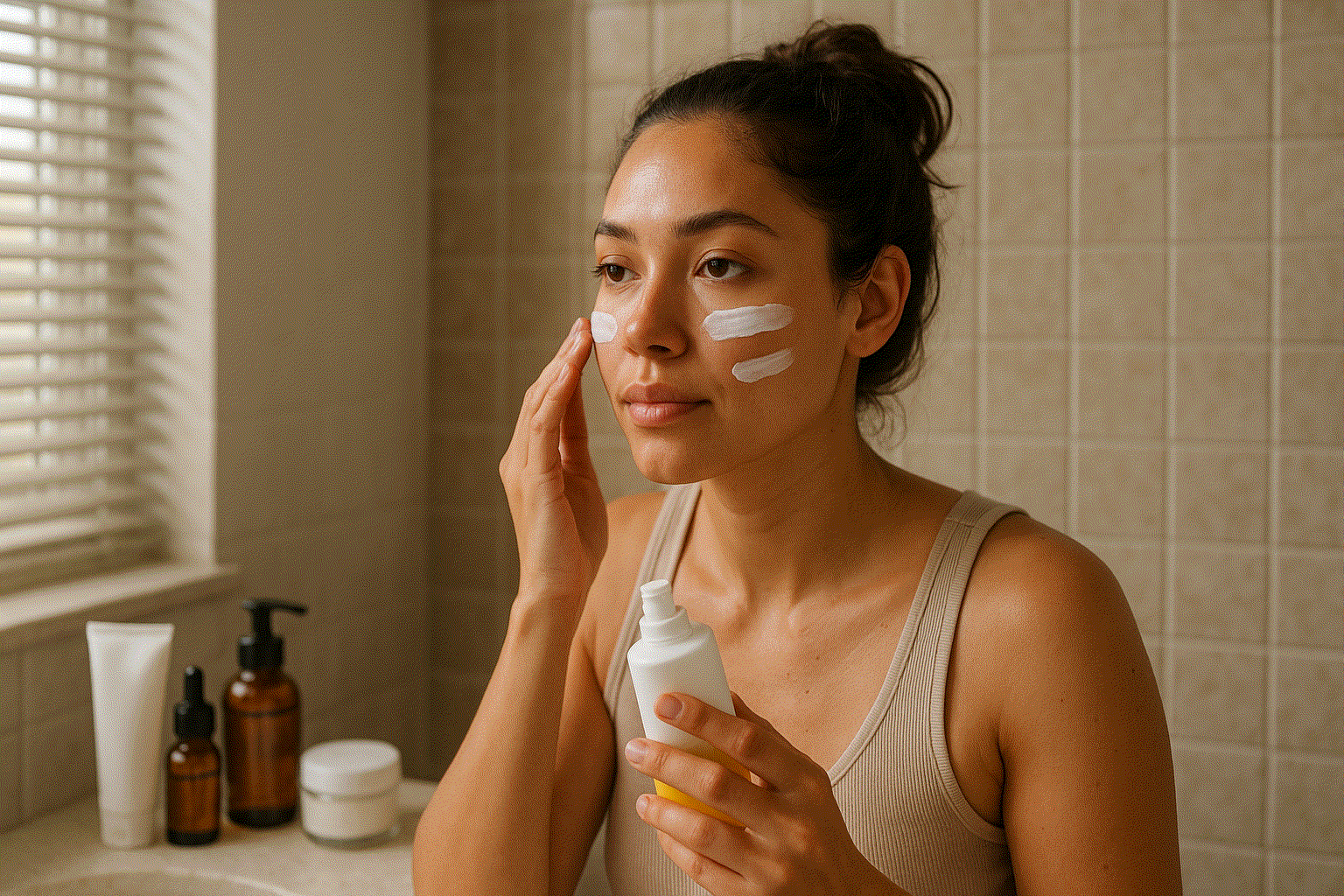
Apply a broad-spectrum SPF 30-50 sunscreen formulated with both mineral and chemical UV filters for comprehensive protection. Use approximately ¼ teaspoon for face and neck coverage. Allow two minutes for proper film formation before proceeding to makeup or outdoor activities.
Focus extra attention on commonly missed areas: earlobe crevices, nasal ala, and the delicate skin around your orbital bones. These zones frequently show the earliest signs of photodamage due to inadequate sunscreen coverage.
Step 5: Lip and Eye Protection (1 minute)
Apply SPF lip balm and wear UV-protective eyewear to shield these vulnerable areas. Your lips lack significant melanin production, making them particularly susceptible to actinic damage and premature aging.
Essential Products for Maximum UV Defense
Your high UV skincare routine requires carefully selected formulations that withstand Florida's challenging environmental conditions. Medical-grade products often contain stabilized active ingredients and advanced delivery systems that maintain efficacy despite heat and humidity exposure.
| Product Category | Key Ingredients | Application Time |
|---|---|---|
| Antioxidant Serum | L-ascorbic acid, Ferulic acid | Morning, pre-sunscreen |
| Sunscreen | Zinc oxide, Titanium dioxide | Every 2 hours minimum |
| After-sun Treatment | Aloe vera, Niacinamide | Evening application |
Adapting Your Routine for Heatwave Conditions
Extreme heat events require modifications to your standard photoprotective protocol. Increase sunscreen reapplication frequency to every 90 minutes when temperatures exceed 95°F. Perspiration dilutes UV filter concentrations, reducing protective efficacy significantly.
Consider incorporating cooling mists containing thermal spring water between sunscreen applications. These provide temporary relief while delivering essential minerals that support barrier function recovery.
Hydration Optimization Strategies
During heatwave conditions, your skin's water content can drop by 15-20% within hours of sun exposure. Implement these hydration enhancement techniques:
- Pre-treat skin with hyaluronic acid serum before sunscreen application
- Use setting sprays with glycerin to lock in moisture throughout the day
- Apply cooling sheet masks immediately after returning indoors
- Consume electrolyte-rich beverages to support systemic hydration
Post-Exposure Recovery and Repair
Your evening routine becomes crucial for reversing daytime UV damage and preparing your skin for overnight regeneration processes. Begin with a thorough double cleanse to remove sunscreen residue, environmental pollutants, and oxidized sebum.
Apply cooling aloe vera gel or cucumber extract to reduce inflammation and heat sensation. Follow with peptide-rich moisturizers that support collagen synthesis during your skin's natural repair phase.
Weekly Intensive Treatments
Incorporate professional-grade treatments twice weekly to address cumulative UV damage:
- Enzyme exfoliation to remove photodamaged cells
- Vitamin C masks for intensive antioxidant delivery
- Hydrogel treatments for deep moisture penetration
Common High-UV Skincare Mistakes to Avoid
Many individuals unknowingly compromise their photoprotection through seemingly minor oversights. Applying sunscreen over dirty skin reduces adherence and creates uneven coverage patterns. Similarly, using expired products may provide false security while offering minimal actual protection.
Avoid over-exfoliating during high-UV periods, as this removes protective dead skin cells and increases photosensitivity. Your skin's natural desquamation process provides some inherent UV protection that aggressive scrubbing eliminates.
Professional Treatment Integration
Regular professional treatments complement your daily high UV skincare routine by addressing damage that topical products cannot fully resolve. Professional-grade chemical peels, microneedling, and LED therapy sessions help restore optimal cellular function and reverse accumulated photodamage.
Schedule intensive treatments during lower UV months to maximize results while minimizing photosensitivity risks. This strategic timing allows for deeper interventions without compromising your skin's ability to handle daily sun exposure.
Your 10-minute high UV skincare routine forms the foundation of comprehensive photoprotection, but consistency remains paramount for achieving optimal results. Regular professional consultations ensure your routine evolves with changing skin needs and environmental conditions, maintaining peak protective efficacy year-round.


