
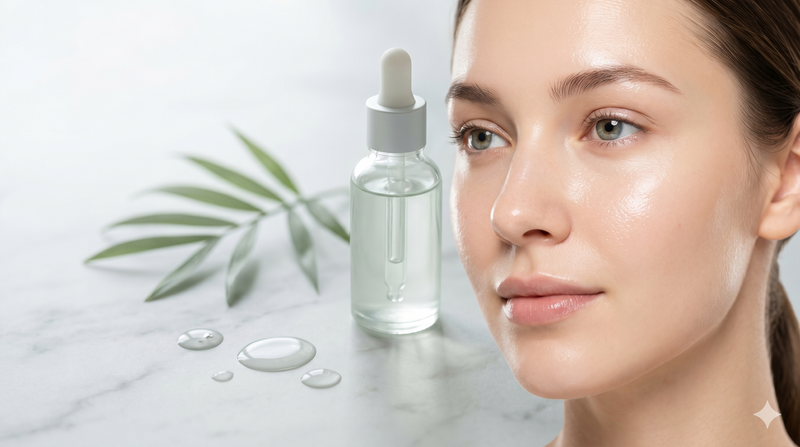


By late afternoon in Fort Myers, your face can feel like it's wearing two different skins at once. The surface feels slick from sweat, sunscreen, and humidity. Underneath, your skin can still feel tight, rough, or strangely dull after sun exposure, salt air, and hours in air conditioning.
That mismatch confuses a lot of people. They assume shiny skin means hydrated skin, so they skip lotion. Or they reach for a rich cream, then feel clogged and uncomfortable ten minutes after stepping outside. A good hydrating facial lotion sits in the middle. It gives skin water, supports the barrier, and doesn't leave you feeling like your face is wrapped in plastic.
The timing matters because this isn't a tiny niche category. Fortune Business Insights values the global moisturizer market at USD 11.47 billion in 2025, projects USD 12.00 billion in 2026, and forecasts USD 19.01 billion by 2034, with face moisturizer holding the largest share in 2024 and a projected 5.92% CAGR from 2026 to 2034 according to its moisturizer market analysis. People are looking for facial hydration because it solves a real, daily need.
Table of Contents
- The Florida Skin Paradox Why You Feel Greasy But Are Still Dehydrated
- Hydration Versus Moisture Understanding What Your Skin Really Needs
- Decoding the Ingredient List Humectants Emollients and Occlusives
- Choosing the Right Hydrating Lotion for Southwest Florida
- How Professional Facials and Home Care Create Lasting Hydration
- Common Hydration Myths and Facial Lotion FAQs
The Florida Skin Paradox Why You Feel Greasy But Are Still Dehydrated
A lot of Southwest Florida skin issues start with a simple misunderstanding. Oil, sweat, and hydration are not the same thing. Your forehead can look shiny while your skin barrier is still asking for water and support.
In Fort Myers, I see this after beach days, pool days, long commutes, and even normal office days. Sun exposure, saltwater, frequent cleansing, and indoor AC can leave skin feeling stripped. Then the outdoor humidity makes the surface feel damp and heavy, which tricks you into thinking you should use less hydration, not more.
That's where people get stuck. They wash more often because they feel greasy. Or they use a thick cream because they feel dry. Neither choice fixes the actual problem if the barrier is unsettled.
Your skin can be producing oil and still be short on water.
When skin is dehydrated, it often feels reactive. It may sting after cleansing, look uneven under makeup, or develop that rough-but-greasy texture many Florida residents know well. You touch your cheeks and think, “How can I feel slick and tight at the same time?” That's the paradox.
What usually makes it worse
- Over-cleansing: Rewashing sweat and sunscreen residue too aggressively can leave skin feeling squeaky, then uncomfortable.
- Heavy face creams: Rich formulas can feel fine indoors, then turn suffocating in Gulf Coast heat.
- Skipping hydration entirely: Oily and acne-prone skin still needs water balance and barrier support.
- Ignoring indoor air: Florida humidity helps outdoors, but AC can change how your products feel once you're inside.
A useful hydrating facial lotion solves a more specific problem than “dry skin.” It helps skin feel comfortable, flexible, and balanced without adding a waxy film. For many people in Fort Myers, that's the difference between a routine they quit after three days and one they keep.
Hydration Versus Moisture Understanding What Your Skin Really Needs
Hydration and moisture describe two different jobs. Hydration refers to water in the skin. Moisture refers to the oils, lipids, and softening ingredients that help that water stay in place.

That distinction matters more in Southwest Florida than many people expect. In Fort Myers, skin can feel damp from sweat and humidity while still lacking enough water in the outer layers. Then people reach for a richer cream because their face feels tight, or they skip lotion because their forehead looks shiny. Both choices miss the actual question: does your skin need more water, more barrier support, or a lighter mix of both?
A simple way to sort it out is to pay attention to how your skin feels after cleansing and again a few hours later.
- Dehydrated skin often feels tight, looks dull, or shows fine lines more clearly, even if oil is present.
- Moisture loss often shows up as roughness, flaking, or a surface that feels less smooth and protected.
- Balanced skin feels flexible and comfortable, without that pulled sensation or a coated, heavy finish.
Hydration is the drink of water. Moisture is the lid that helps keep it from evaporating too quickly. Skin usually needs some of both, but the ratio matters. In Florida heat, many people do better with a hydrating lotion that gives water-binding support plus a light barrier finish, instead of a dense cream that sits heavily under sunscreen.
That is why lotion often makes more sense than cream for daily wear here. A well-made lotion spreads easily, layers better in humid weather, and is less likely to feel suffocating during a hot commute, a beach walk, or a long afternoon going between outdoor heat and strong air conditioning.
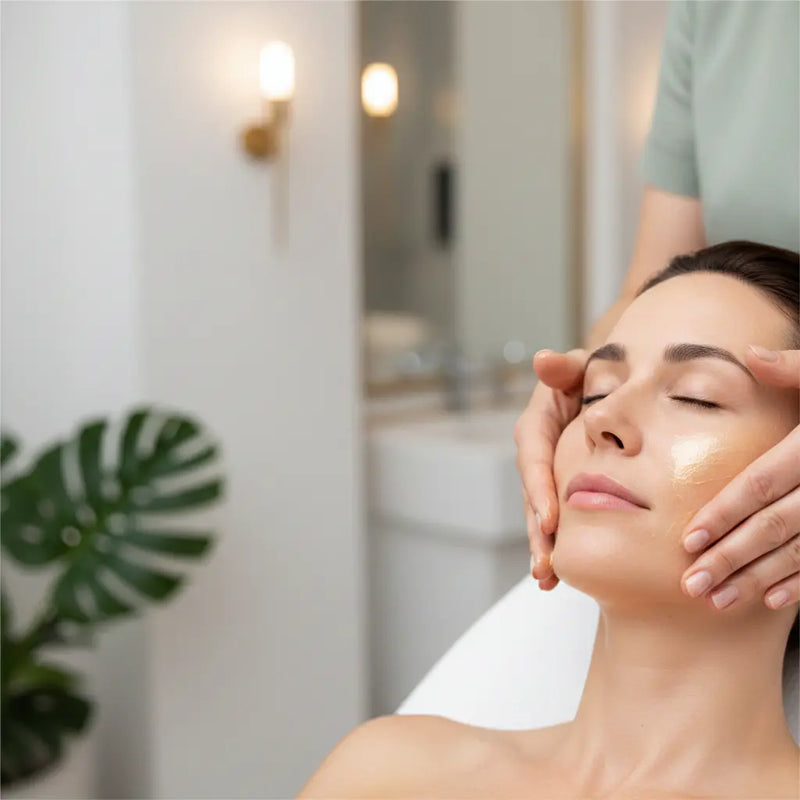
If you want a practical example of that balance in a treatment setting, Radiant Glow Clinic Grade Facial With Personalized Skin Consultation For All Skin Types ($55) includes a personalized consultation, deep cleansing, gentle exfoliation, optional professional extraction care, a targeted mask and serum treatment, and a finishing moisturizer with broad-spectrum SPF. The structure is useful because it follows the same order that supports dehydrated Florida skin at home. Cleanse without stripping, add water-focused ingredients, then apply enough moisture support to keep skin comfortable.
Hyaluronic acid is one ingredient people often hear about in this conversation, but it makes more sense once you understand the difference above. This guide to hyaluronic acid serum explains why water-binding ingredients can help skin that feels tight and looks tired. If sun exposure is part of the picture, this article on hyaluronic acid benefits for Florida sun damage recovery adds helpful context for local conditions.
Practical rule: If your skin feels tight after cleansing but heavy products leave you sticky, congested, or uncomfortable in the heat, you usually need more water balance with a lighter finish, not a thicker cream.
Decoding the Ingredient List Humectants Emollients and Occlusives
A hydrating lotion label gets much easier to read once you sort ingredients by job. Most formulas are built around three groups: humectants, emollients, and occlusives. For Southwest Florida, that matters because the same lotion can feel fresh outside, sticky in the car, and too light in aggressive air conditioning.

Humectants are water magnets
Humectants attract water and help the skin hold onto it. Glycerin and hyaluronic acid are the names clients ask me about most often.
In Southwest Florida, humectants often feel helpful because the air already holds so much moisture. The catch is indoor life. If you spend part of the day in sun and humidity, then move into strong AC, your skin is dealing with two very different environments. A lotion that relies only on humectants can feel nice at first but still leave you tight later if the rest of the formula is too thin.
Texture confusion starts here. A humectant-heavy product may feel damp, tacky, or filmy instead of comfortably hydrated.
If you want a simple companion read focused on one popular humectant, this guide to hyaluronic acid serum explains why water-binding ingredients can help skin that feels dry on the surface and dehydrated underneath. For local context after long days of sun exposure, Lumina also explains hyaluronic acid benefits for Florida sun damage recovery.
Emollients smooth the rough spots
Emollients soften the skin surface and make it feel less uneven. They work like grout filling tiny gaps in tile. The skin is not cracked tile, of course, but the comparison helps. Emollients improve the feel of those rough, papery areas that show up after sun, over-cleansing, exfoliation, or too much time in cooled indoor air.
Common examples include squalane and other lightweight smoothing ingredients.
This group is often what makes a Florida lotion wearable. Humectants bring in water, but emollients give the formula slip, comfort, and a soft finish. If your face feels dehydrated yet you dislike thick creams, emollients are usually the reason one lotion feels elegant while another feels sticky.
Occlusives seal in what your skin already has
Occlusives slow water loss by forming a light seal over the skin. A pot lid is a useful comparison. It does not create water. It helps keep what is already there from evaporating too quickly.
Ingredients such as dimethicone, mineral oil, and heavier plant butters fall into this category, though they do not all feel the same. In Florida, occlusives are where people often overcorrect. If a product is too sealing, it can feel greasy, trap sweat, and sit uncomfortably under sunscreen, especially in Fort Myers heat.
That does not mean occlusives are a problem. It means dose and texture matter. Many people do well with a lotion that uses a lighter occlusive touch, enough to reduce that tight, air-conditioned feeling without creating the heavy, coated sensation that makes you want to wash your face by noon.
Key Moisturizing Ingredient Types
| Ingredient Type | What It Does (Analogy) | Examples | Best for Florida Climate? |
|---|---|---|---|
| Humectants | Like a water magnet | Glycerin, hyaluronic acid | Yes, especially in humidity, but they work best in a balanced formula |
| Emollients | Like grout smoothing small gaps | Squalane, ceramide-supportive smoothing ingredients | Often very useful because they soften skin without automatically feeling heavy |
| Occlusives | Like a lid on a pot | Dimethicone, mineral oil, heavier sealants | Helpful in smaller amounts for many people, but too much can feel oppressive |
A simple way to read a lotion is this: humectants add water pull, emollients improve feel and flexibility, and occlusives slow escape. In Southwest Florida, the sweet spot is usually a balanced formula that hydrates well outside and still keeps skin comfortable once the AC starts blasting.
Choosing the Right Hydrating Lotion for Southwest Florida
Shopping for a hydrating facial lotion in Florida is less about finding the product with the most dramatic label and more about finding the one you'll still enjoy wearing at 2 p.m. in sticky weather. A formula can sound perfect online and still fail the moment you step outside.

Start with texture before claims
For Southwest Florida, texture usually tells you more than front-label promises.
A gel feels the lightest. It can be great if you hate residue, but some gels don't give enough lasting comfort after sun, cleansing, or exfoliation.
A lotion is often the sweet spot. It has enough body to feel nourishing, but not so much that it sits heavily under sunscreen.
A gel-cream can work well if your skin gets dehydrated easily but rejects thick creams. It often gives a fresh finish with a little more cushion.
Retail guidance commonly pushes oily or acne-prone skin toward gel-based, oil-free, or non-comedogenic formulas, while sensitive skin is often steered toward fragrance-free options in Ulta's face moisturizer category guidance. That's useful, but those labels aren't magic. A non-comedogenic product can still feel too filmy for your skin. An oil-free product can still be sticky.
A quick Florida fitting room test
This is the test I'd rather you trust than any marketing phrase.
- Apply a small amount: Use it on clean skin or on one side of the jaw and cheek.
- Wait a moment: Give it a little time to settle instead of judging it instantly.
- Step outside briefly: Heat and humidity reveal texture fast in Fort Myers.
- Notice the finish: If it feels like a mask, pills under SPF, or makes you want to wash your face, it's not the right match.
- Watch your skin later: Some products feel lovely at first and then turn sticky in AC or after sunscreen reapplication.
If your routine needs extra help, this guide on a skincare routine for humid climate conditions in Florida gives useful context for layering products through the year.
If a lotion feels comfortable both in outdoor humidity and indoor air conditioning, that's usually a better sign than any front-label buzzword.
A few practical buying cues help:
- For oily but dehydrated skin: Look for a lightweight lotion or gel-cream with water-binding ingredients and a clean finish.
- For acne-prone skin: Prioritize how it wears after sweating, sunscreen, and a full day, not just whether it says “oil-free.”
- For sensitive skin: Fragrance-free textures often reduce the chance of sensory overload when your barrier already feels irritated.
- For sun-exposed skin: Choose something that layers smoothly under SPF. If it pills, drags, or turns greasy, keep looking.
How Professional Facials and Home Care Create Lasting Hydration
A good facial can make skin look brighter in a day. Lasting hydration usually comes from what happens after that appointment, when you repeat the right steps at home.

Why treated skin often holds hydration better
Professional facials can help because they remove what's blocking your products from sitting well. Buildup, rough texture, leftover debris, and congestion can all interfere with how evenly your skin absorbs a hydrating facial lotion.
At Lumina Skin Sanctuary, treatment planning starts with a personalized skin consultation, and the studio's climate-adaptive approach is built around Southwest Florida heat, humidity, and sun exposure. That matters because a person living in Fort Myers doesn't need the same routine logic as someone in a cool, dry climate.
Some readers also like comparing approaches across treatment styles. If you want another example of a hydration-focused facial format, Skin Revision's page on Beaconsfield HydraFacial shows how clinics often frame deep cleansing, exfoliation, and infusion as a combined pathway rather than separate ideas.
After exfoliation and targeted treatment, skin often responds better to simple, consistent home care than to a crowded routine.
What home care does between appointments
Home care protects the work a facial starts. If you leave a treatment with smoother, cleaner, more comfortable skin, a suitable lotion helps maintain that comfort instead of letting your barrier swing back toward tightness and irritation.
That's especially true after days of sun, frequent cleansing, and indoor cooling. A lightweight lotion used consistently can help your skin stay more even-tempered between visits.
For a deeper explanation of why treatment hydration feels different from just putting on a random moisturizer, Lumina's article on what a hydrating facial treatment is is a useful companion.
This short video gives a visual feel for the kind of skin support people often seek when dehydration and dullness show up together.
A simple rhythm works better than an ambitious one you won't follow:
- Cleanse gently: Remove sunscreen, sweat, and buildup without over-scrubbing.
- Apply your hydrating facial lotion on slightly damp skin: That often helps the formula spread more evenly.
- Use sunscreen every morning: Florida sun exposure changes the whole hydration picture.
- Adjust as conditions change: What feels perfect in a humid morning may need a lighter hand before an evening walk or a more comforting layer after exfoliation.
Common Hydration Myths and Facial Lotion FAQs
A few questions come up constantly in treatment rooms, especially from clients who live in humidity year-round.
Can oily skin skip moisturizer
No. Oily skin can still be dehydrated. If you skip hydration completely, your skin may feel tighter, rougher, or more reactive even while it still looks shiny.
Is oil free always the right choice for acne prone skin
Not always. “Oil-free” is a helpful clue, not a guarantee. Some oil-free formulas still feel sticky, and some lightweight emulsions with the right balance feel much better on acne-prone skin in humid weather.
Why does my lotion feel sticky
Usually one of two things is happening. You're either applying too much, or the formula isn't balanced for your environment and layering habits. In Fort Myers, that often shows up when a product seems fine indoors but turns tacky under sunscreen, sweat, and heat.
The best lotion is the one your skin forgets about after a few minutes.
Should day and night lotion be the same
Sometimes yes. Sometimes no. If your skin is fairly balanced, one well-chosen lotion can work both morning and night. If your skin feels more dehydrated after cleansing at night, you may prefer the same lotion applied more generously, or a slightly more comforting texture in the evening.
If your skin feels greasy on the surface but uncomfortable underneath, a personalized routine can make that contradiction finally make sense. Lumina Skin Sanctuary in Fort Myers, Florida offers climate-aware facial care and individualized guidance designed for Southwest Florida skin, with treatment plans and home-care recommendations adjusted to how your skin responds to sun, heat, humidity, and indoor AC.


