


Some mornings, skin looks flat no matter how carefully you apply your moisturizer. If you have been wondering what causes dull looking skin, the answer is usually not one single issue. Dullness tends to show up when your skin is dehydrated, congested, irritated, or simply not renewing itself as smoothly as it should.
That can be frustrating because dull skin does not always feel like a clear problem the way a breakout or rash does. It is more subtle. Your complexion may look tired, uneven, rough, or less luminous than usual. Makeup may sit heavily instead of blending beautifully. Even skin that is otherwise healthy can lose its glow when the barrier is stressed or your routine is out of balance.
What causes dull looking skin most often?
In most cases, dullness comes down to a few common patterns. Dead skin cells can build up on the surface and block light from reflecting evenly. Dehydration can make skin appear crepey or tight. A weakened skin barrier can leave the complexion looking rough and fatigued. Sun exposure, lack of sleep, stress, and overuse of harsh products can all contribute too.
The reason dullness can feel tricky is that several of these factors often happen at once. For example, someone with oily skin may still be dehydrated. Someone using strong acne products may clear congestion but create irritation and flaking. Someone with a very simple routine may still struggle with dullness because they are missing hydration or gentle exfoliation.
The most common reasons skin loses its glow
Dead skin buildup
Your skin naturally sheds cells, but that process slows down with age, stress, dryness, and environmental exposure. When those older cells linger on the surface, the skin can look uneven, rough, and shadowed rather than fresh and smooth.
This is one of the most common answers to what causes dull looking skin because buildup changes how light hits the face. Instead of reflecting evenly, the surface looks matte in a tired way. Gentle exfoliation can help, but there is a balance. Too little exfoliation can leave skin congested, while too much can lead to irritation and even more dullness.
Dehydration
Dehydrated skin often looks dull before it feels dry. That is because water loss affects plumpness, softness, and light reflection. Skin may appear less bouncy, with fine lines looking more noticeable and texture seeming more obvious.
Dehydration is not the same as having a dry skin type. Oily and combination skin can be dehydrated too, especially after sun exposure, travel, air conditioning, strong cleansers, or overuse of exfoliating acids. When skin lacks water, it rarely gives that healthy, radiant finish people are looking for.
Dryness and barrier disruption
A compromised skin barrier can leave the complexion looking inflamed, flaky, or rough. Even if redness is minimal, the skin can still appear tired and uneven. This often happens when products are too aggressive, when routines include too many actives at once, or when the skin is exposed to heat, wind, or frequent cleansing without enough replenishment.
Healthy skin has a smoother surface and holds moisture more effectively. When the barrier is disrupted, dullness tends to follow. This is why gentle, supportive skincare often creates better long-term radiance than constantly chasing fast results with harsh treatments.
Sun damage
Daily sun exposure is a major contributor to dullness. Over time, UV damage can thicken the outer layer of skin, create uneven pigment, and break down collagen. The result may look like rough texture, patchy tone, and a complexion that lacks clarity.
This is not only about beach days or tanning. Small amounts of unprotected exposure add up. If your skin tone looks less even than it used to, or your face seems more weathered and flat, sun damage may be part of the picture.
Slower cell turnover with age
As skin matures, natural renewal tends to slow down. That does not mean glowing skin is out of reach. It simply means the skin may need more support through hydration, antioxidant care, and thoughtful exfoliation.
Mature skin often benefits from routines that focus on comfort and consistency rather than intensity. A calm, well-supported complexion usually looks brighter than skin that is being pushed too hard.
Congestion and leftover impurities
When pores are congested with oil, debris, makeup residue, or pollution, skin can lose its clean, fresh look. This does not always show up as obvious acne. Sometimes it appears as tiny bumps, uneven texture, or a generally muddy tone.
If skin feels coated by the end of the day, your cleansing step may need attention. That does not mean scrubbing harder. It usually means choosing a cleanser that removes buildup effectively without stripping the skin.
Lifestyle factors
Lack of sleep, elevated stress, low water intake, smoking, excess alcohol, and a diet low in nutrient-dense foods can all affect how skin looks. Skin is often one of the first places where stress shows up. You may notice more dryness, less glow, or a generally fatigued appearance during busy or emotionally draining periods.
This is where skincare can help, but only to a point. If your skin looks dull after a week of poor sleep and constant stress, the most effective approach is usually both internal and external support.
Habits that can make dullness worse
Sometimes the problem is not what you are missing. It is what your current routine is doing too often. Over-cleansing, skipping moisturizer, using too many active ingredients, and changing products constantly can all keep skin from settling into a healthy rhythm.
Hot water can also be a hidden factor. Long, hot showers and frequent face washing may feel comforting, but they can deplete moisture and leave skin looking tight and lackluster. The same goes for exfoliating tools used too aggressively. If your skin feels squeaky clean, it may actually be overstripped.
Another common issue is treating every skin concern at once. If you are using products for acne, dark spots, texture, and anti-aging all at the same time, your skin may respond with irritation rather than radiance. More products do not always mean better results.
How to bring dull skin back into balance
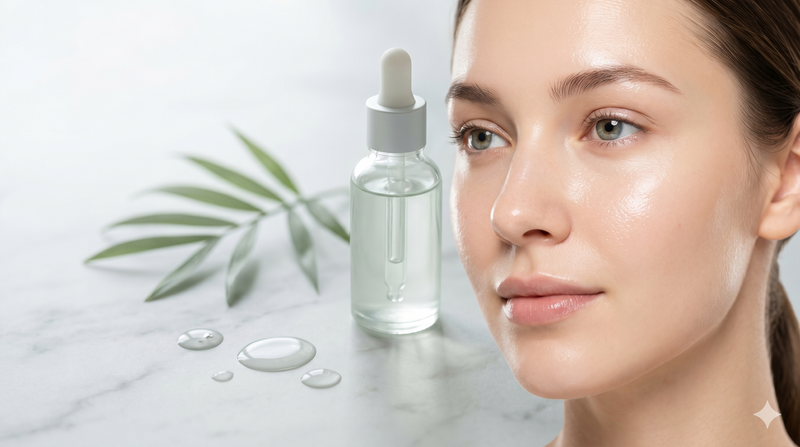
If dullness is your main concern, start by simplifying. A gentle cleanser, a hydrating serum or essence, a nourishing moisturizer, and daily sunscreen can do more for glow than an overloaded routine.
Then consider whether your skin needs gentle exfoliation. For some people, that means a mild chemical exfoliant a few times a week. For others, especially sensitive or barrier-impaired skin, the better first step is repairing hydration and reducing inflammation before adding any resurfacing products.
Antioxidants can also help brighten the look of skin and support it against environmental stress. Ingredients that support hydration and barrier health, such as hyaluronic acid, glycerin, ceramides, and soothing botanical extracts, are especially helpful when dullness is tied to dryness or irritation.
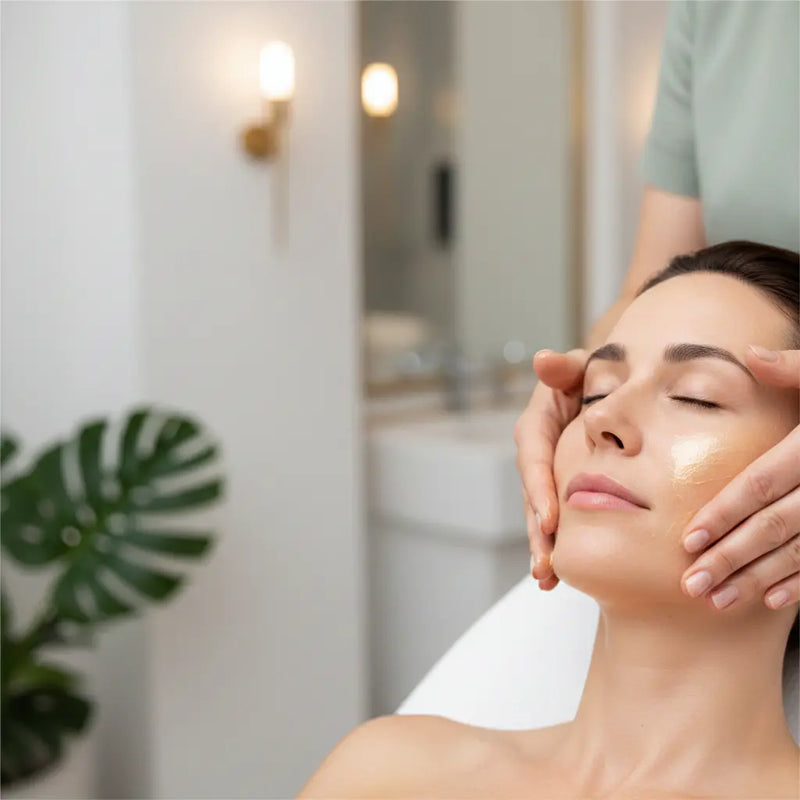
Professional treatments can make a visible difference when at-home care is not enough. Customized facials, gentle exfoliating treatments, and acne-focused services can help remove buildup, improve hydration, and restore a smoother surface. At Lumina Skin Sanctuary, this kind of personalized approach matters because dullness rarely looks the same from one client to the next.
When dull skin is really a sign to slow down
Not every dull complexion needs stronger products. Sometimes skin looks tired because it is overwhelmed. If you are noticing stinging, flaking, redness, or increased sensitivity alongside dullness, the answer is usually not another acid or scrub.
This is the moment to scale back, focus on barrier support, and give your skin time to recover. Healthy radiance tends to return more naturally when the skin is calm, hydrated, and well cared for.
A better way to think about glow
Glow is not about making skin shiny or perfectly polished. It is usually a sign that the skin is functioning well - holding moisture, shedding properly, and staying balanced. That is why the best results often come from simple, effective formulas used consistently rather than dramatic fixes.
If your skin has been looking dull lately, try reading it gently instead of reacting quickly. The surface is usually telling you what it needs more of, what it has had too much of, or where your routine could be more supportive. A little patience, paired with the right care, can bring back that healthy, rested look in a way that lasts.


