


When you search for a waxing studio near me, the closest option is not always the one that gives the smoothest finish, the most comfortable appointment, or the calmest skin afterward. Better waxing results come from a combination of technical skill, sanitation, skin knowledge, timing, and aftercare. A studio that understands all of those pieces can make the difference between clean, even hair removal and a frustrating cycle of irritation, broken hairs, or ingrowns.
Whether you are booking brows, lip, chin, underarms, legs, bikini, or full body waxing, the goal is not simply removing hair. The goal is smooth skin that looks healthy, feels comfortable, and grows back in a more manageable way over time.
What better waxing results actually mean
A good wax should leave the area cleaner and smoother without unnecessary trauma to the skin. Some redness can be normal, especially for sensitive skin or first-time waxing, but the appointment should not leave you feeling burned, scraped, or confused about what to do next.
Better results usually include:
- Cleaner hair removal with fewer broken hairs
- More precise shaping for brows or facial waxing
- Less lingering redness or tenderness
- Fewer ingrown hairs between appointments
- Clear instructions for before and after care
- A schedule that supports smoother regrowth over time
This is why choosing a studio requires more than checking hours, distance, or price. The right provider should understand both hair growth and skin condition, because waxing affects both.
Start with the consultation, not the wax pot
The best waxing studios do not rush straight into treatment. They ask questions first. This is especially important if you use retinoids, acne medications, exfoliating acids, prescription creams, or have recently had a peel, laser treatment, sunburn, or facial treatment.
A professional consultation should cover your skin sensitivity, recent exfoliation, allergies, medications, past waxing reactions, and the result you want. For brow waxing, that also means discussing shape, thickness, and how much hair you actually want removed. For body waxing, it includes your history with ingrowns, irritation, and timing around workouts, travel, or events.
The American Academy of Dermatology advises avoiding waxing over irritated, sunburned, cut, or recently treated skin. A studio that screens for those details is not being difficult. It is protecting your skin barrier and your final result.
Look for specialization and consistency
A studio that offers waxing regularly will usually have stronger systems than a place that treats waxing as an occasional add-on. That does not mean every salon is wrong for waxing, but it does mean you should pay attention to how seriously the service is handled.
Specialization shows up in small details: the provider knows which wax to use on different areas, checks the skin before applying wax, works in controlled sections, and adjusts technique for coarse hair, fine facial hair, or reactive skin. If you are deciding between a dedicated wax environment and a broader beauty appointment, Lumina Skin Sanctuary has a helpful comparison of a wax studio vs salon that explains what to consider.
The right studio should also be honest about what waxing can and cannot do. One appointment can leave skin smooth, but consistent waxing on the right schedule is what often improves the appearance of regrowth. If a provider promises completely painless waxing, permanent removal, or perfect results on hair that is too short, consider that a warning sign.
Compare studios by the factors that actually affect results
Online reviews are useful, but they are only one part of the decision. To choose a waxing studio for better results, compare the experience from booking to aftercare.
| What to evaluate | Why it matters | What to look for |
|---|---|---|
| Consultation | Prevents avoidable irritation and poor timing | Questions about skin, medications, exfoliation, and past reactions |
| Wax choice | Different areas and hair types need different approaches | Hard wax, soft wax, or technique choices based on the area and skin |
| Sanitation | Reduces risk of irritation and contamination | No double-dipping, clean surfaces, fresh applicators, and gloves when appropriate |
| Technique | Determines how cleanly hair is removed | Skin held taut, controlled sections, proper wax temperature, minimal repeated passes |
| Aftercare | Helps protect the result after you leave | Clear guidance on heat, sun, workouts, exfoliation, and ingrown prevention |
| Scheduling | Supports smoother regrowth | Realistic timing based on your hair growth cycle, not pressure to overbook |
If a studio performs well across these categories, you are more likely to leave with skin that feels smooth instead of stressed.
Choose a studio that understands your skin
Waxing is hair removal, but skin health determines how good the final result looks. Dry skin may lift unevenly. Congested skin may be more prone to bumps. Sensitive skin may need a slower approach, a different wax type, or extra care before and after the appointment.
This is especially important for facial waxing. The face is more visible, more exposed to sun, and more likely to be affected by active skincare ingredients. If you use retinol, tretinoin, benzoyl peroxide, glycolic acid, lactic acid, salicylic acid, or strong exfoliating products, your esthetician needs to know. These products can make skin more vulnerable to lifting or irritation when waxing is performed too soon.
For clients who react easily, it may help to read more about choosing waxing services for sensitive skin and better results, especially if you are in Babcock Ranch or Southwest Florida where sun exposure and humidity can influence aftercare.
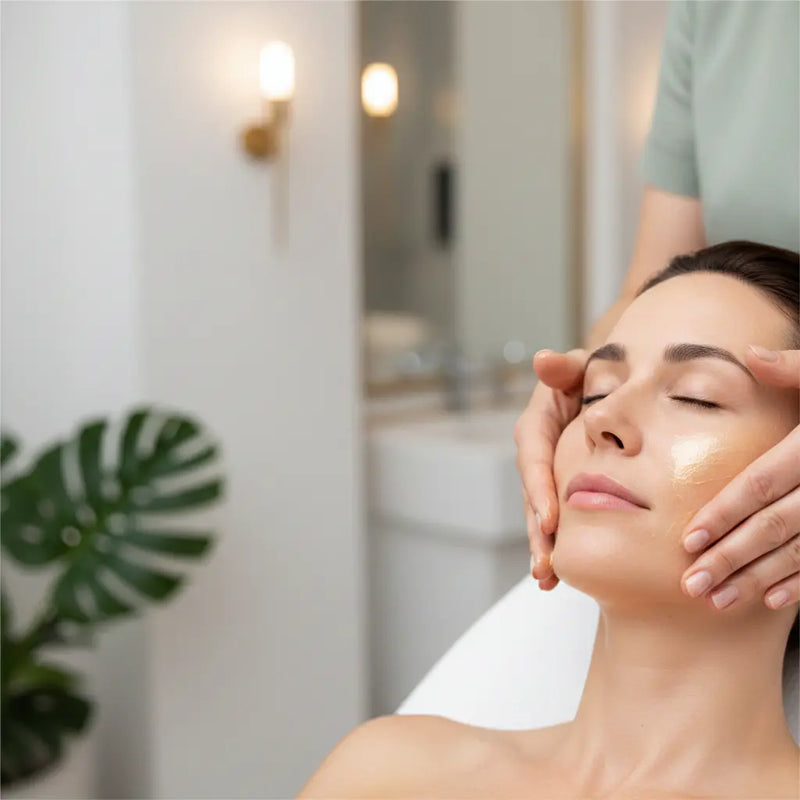
Facials can also fit into a smarter waxing plan when they are scheduled appropriately. If dullness, rough texture, or congested pores are part of your larger skin concern, a separate service such as the Radiant Glow Clinic Grade Facial With Personalized Skin Consultation For All Skin Types can help you better understand your skin before building a routine. For busy schedules or maintenance between events, The Express Hydration Facial and Polish Treatment is another option to discuss when hydration and polished texture are priorities. Just avoid stacking exfoliating treatments and waxing on the same area without professional timing guidance.

Pay attention to technique during the appointment
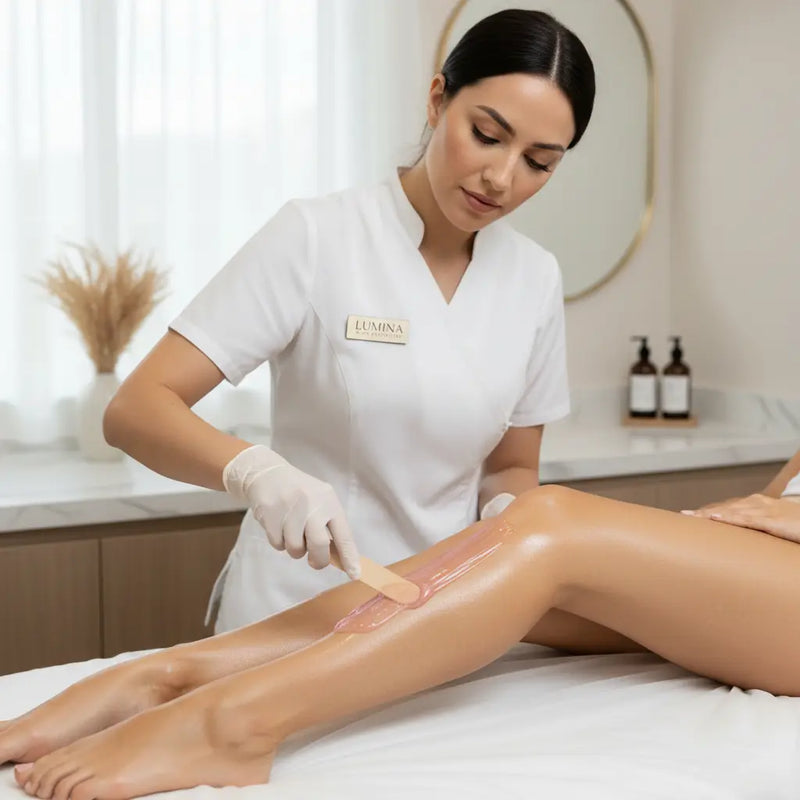
A skilled waxing appointment feels controlled. The esthetician should check wax temperature, apply wax evenly, support the skin, remove wax with confidence, and avoid repeatedly waxing the same area when the skin is already reacting.
For facial waxing, precision matters as much as smoothness. Removing too much hair from the brows or waxing over compromised skin can take weeks to recover from. For body waxing, technique affects whether hair is removed from the root or broken at the surface. Broken hairs can make skin feel stubbly sooner and may contribute to uneven regrowth.
Comfort also matters. Waxing may not be completely sensation-free, but it should feel professional, steady, and respectful. A provider who explains what they are doing, gives you a moment when needed, and offers realistic aftercare can make the experience feel much easier. Lumina Skin Sanctuary explores this client-centered approach in its guide to professional waxing services that feel better.
Ask about preparation before you book
A good waxing studio should tell you how to prepare, not leave you guessing the night before. Proper preparation helps the wax grip the hair more effectively and reduces avoidable irritation.
In general, hair should be long enough for the wax to grip, often around one-fourth inch. If the hair is too short, the result may be patchy. If it is very long, trimming may be needed for comfort and control. Avoid heavy lotions or oils right before waxing because they can interfere with wax adhesion. You should also avoid tanning, sunburn, aggressive exfoliation, or new strong skincare products right before your appointment.
If you are using prescription skincare or have a skin condition, ask your dermatologist or prescribing provider about safe timing. A professional esthetician can guide your appointment, but medical guidance matters when prescription medications or active skin conditions are involved.
Judge the aftercare, not just the appointment
The result continues after you leave the studio. The first 24 to 48 hours are especially important because freshly waxed skin can be more reactive.
Your studio should explain how long to avoid heat, friction, pools, hot tubs, intense workouts, direct sun, fragrance, and exfoliation. For body waxing, loose clothing can help reduce rubbing. For facial waxing, gentle skincare and sun protection are important, especially in sunny areas like Babcock Ranch, Punta Gorda, and Fort Myers.
After the initial sensitivity settles, your provider may recommend gentle exfoliation or targeted products to help reduce ingrowns. The key is timing. Exfoliating too soon can irritate the skin, while never exfoliating may contribute to buildup for some clients. Better studios tailor this guidance instead of handing every client the same generic advice.
Read reviews with a results-focused eye
Reviews can reveal patterns, but look beyond words like nice or cute. Search for comments about long-lasting smoothness, brow precision, cleanliness, comfort, reduced ingrowns, and how the studio handles sensitive skin. Consistent praise for communication and aftercare is a strong sign.
Photos can be useful for brows, but be careful with filtered or heavily styled images. For body waxing, privacy and professionalism often matter more than photos. If a studio has very few details about sanitation, services, or provider qualifications, ask questions before booking.
Price should be part of your decision, but it should not be the only factor. A very cheap wax that causes irritation, misses hair, or requires another appointment is not really saving you money. A better value is a studio that delivers consistent results while respecting your skin.
Know when to postpone waxing
Sometimes the best waxing result comes from waiting. A trustworthy studio should be willing to reschedule if your skin is not ready.
Postpone or ask for professional guidance if you have sunburn, broken skin, a rash, active infection, significant irritation, recent aggressive exfoliation, recent chemical peel, or recent laser treatment on the area. You should also speak with a professional if you are using strong prescription skincare, taking isotretinoin, or have a history of skin lifting with waxing.
This is not about being overly cautious. Waxing removes hair and exfoliates the surface layer of skin. If your skin barrier is already compromised, the risk of lifting, burning, prolonged redness, or post-inflammatory discoloration can increase.
A quick checklist before choosing a waxing studio
Before you book, ask yourself these questions:
- Does the studio ask about my skin history before waxing?
- Do they explain what wax or technique they use and why?
- Are sanitation practices visible and consistent?
- Do reviews mention comfort, precision, and lasting results?
- Do they give clear pre-wax and aftercare instructions?
- Are they willing to postpone if my skin is not ready?
- Do they understand sensitive skin, facial skincare, and active ingredients?
- Do I feel comfortable asking questions?
If the answer is yes to most of these, you are likely choosing a studio that values long-term skin health, not just a quick appointment.
Frequently Asked Questions
How do I choose the best waxing studio near me? Look for a studio that offers consultation, visible sanitation, experienced technique, realistic expectations, and clear aftercare. Proximity is convenient, but the best choice is the provider who understands both your hair removal goals and your skin condition.
Is hard wax or soft wax better? Neither is automatically better for every situation. Hard wax is often preferred for smaller or more sensitive areas, while soft wax may be used for larger areas. The best studio chooses based on the area, hair type, skin sensitivity, and desired result.
How long should my hair be before waxing? A common guideline is about one-fourth inch, long enough for wax to grip effectively. If hair is too short, you may not get a clean result. If you are unsure, ask the studio before trimming or rescheduling.
Can I wax if I use retinol or exfoliating acids? You should tell your esthetician before waxing. Retinoids and exfoliating acids can make skin more vulnerable, especially on the face. Depending on the product and your skin, waxing may need to be delayed or avoided on that area.
Can I get a facial and waxing on the same day? It depends on the area, the treatment, and your skin. Because both waxing and some facials can exfoliate or stimulate the skin, it is often better to schedule them separately for the same area. Ask your esthetician for timing that protects your skin barrier.
Choose results that respect your skin
A better wax starts with a better studio. If you are in or near Babcock Ranch, Lumina Skin Sanctuary combines professional skincare knowledge with beauty services designed around healthy, radiant skin. When you are ready to plan waxing, facials, or a more thoughtful skincare routine, visit Lumina Skin Sanctuary to explore services and choose the next step with confidence.


