


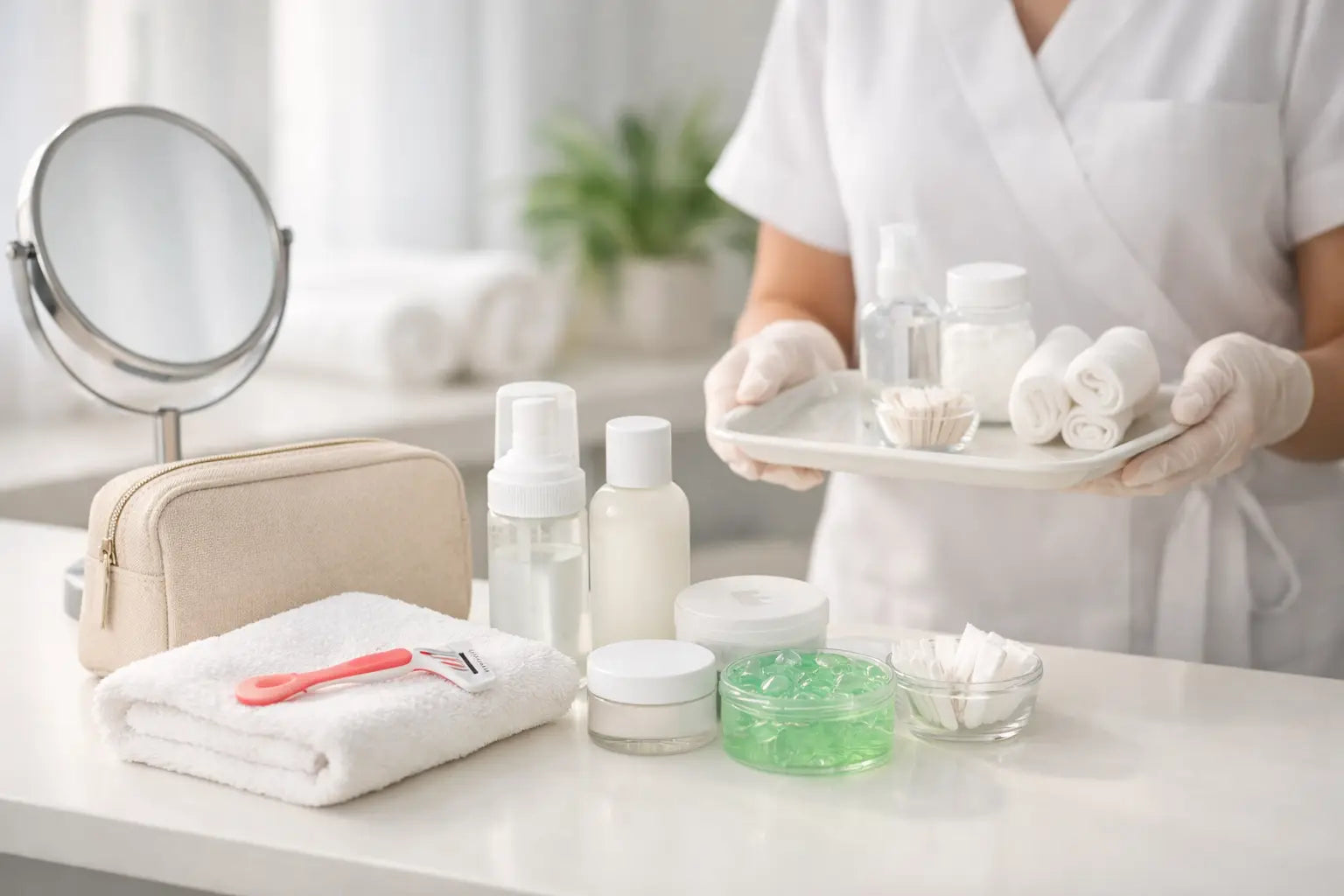
If your bikini line feels smooth one day and irritated the next, the problem usually is not your skin - it is the combination of hair removal, friction, and products that are too harsh. The best products for bikini line care are the ones that keep this area calm, balanced, and comfortably hydrated without overcorrecting.
This is one of those areas where more product is rarely better. The bikini line responds best to a simple routine built around gentle cleansing, light exfoliation, barrier support, and targeted treatment when bumps or ingrown hairs show up. If you wax, shave, or wear fitted clothing regularly, choosing the right formulas can make a noticeable difference in comfort and appearance.
What the bikini line actually needs
The skin around the bikini line is more delicate than the skin on your legs, but it still deals with frequent stress. Hair removal creates tiny disruptions in the skin. Sweat and friction can trap heat and bacteria. Tight underwear, swimsuits, and workout clothing can make irritation linger longer than expected.
That is why the best products for bikini line concerns are usually the gentlest ones in your routine. Strong scrubs, heavily fragranced body products, and drying acne treatments may seem helpful at first, but they often leave the area more reactive. A better approach is to support skin turnover without stripping the barrier.
Gentle cleanser comes first
A mild, non-stripping cleanser is the foundation. Look for a fragrance-free or low-fragrance formula with a cream, gel, or soft foaming texture. The goal is to remove sweat, oil, and residue without leaving the skin tight.
Avoid using harsh bar soaps or body washes packed with strong perfume on the bikini line. They can disrupt the skin barrier and make post-shave or post-wax sensitivity worse. If your skin tends to sting after hair removal, a cleanser with soothing ingredients like glycerin, aloe, or oat can be especially helpful.
This step sounds basic, but it matters. When the area is cleansed gently and consistently, every other product tends to perform better.
Exfoliants that prevent bumps without causing more irritation
Ingrown hairs are one of the biggest reasons people start looking for bikini line products in the first place. The key is choosing an exfoliant that helps clear the path for hair growth without scratching or inflaming the skin.
Chemical exfoliants are often the better option here. Products with lactic acid, glycolic acid, or salicylic acid can help loosen dead skin buildup and reduce the chance of trapped hairs. Salicylic acid is especially useful if you are dealing with clogged follicles or small razor bumps. Lactic acid is often a gentler choice for dry or easily irritated skin.
Physical scrubs can work for some people, but the trade-off is that many are too rough for this area. Large sugar crystals, walnut shell particles, or aggressive exfoliating mitts may leave the skin feeling polished for a moment and then irritated later. If you like the feel of a scrub, choose a very fine, cushiony formula and use it sparingly.
For most skin types, exfoliating two or three times a week is enough. Daily exfoliation is usually where trouble begins.
If you wax versus shave
Your product timing should match your hair removal method. If you shave, a gentle chemical exfoliant used on non-shaving days can help prevent congestion. If you wax, it is usually best to wait until the skin has settled before bringing acids back in. Freshly waxed skin is more vulnerable, so patience matters.
Serums and spot treatments for ingrown hairs
When bumps appear, resist the urge to throw a strong acne product at them. The bikini line is not the same as the T-zone, and over-drying the area can create a cycle of irritation.
Instead, use a targeted serum or roll-on designed for ingrown hairs and post-hair-removal care. The most helpful formulas often include salicylic acid, mandelic acid, niacinamide, or calming botanicals. These ingredients can help reduce visible bumps, support clearer follicles, and ease redness without feeling too aggressive.
Tea tree oil is often recommended, but it depends on the formula. In a carefully diluted product, it can be helpful. In a strong or poorly formulated treatment, it can be irritating. This is one of those cases where clean and gentle matters more than intense.
If a bump is deep, painful, or persistent, a product may not be enough on its own. That is when professional guidance can save you time and prevent picking or scarring.
Hydration is not optional
A lot of bikini line irritation is really barrier disruption. After shaving, waxing, exfoliating, or even spending time in a wet swimsuit, the skin often needs moisture more than another treatment product.
The best moisturizers for this area are lightweight, fragrance-free, and designed to calm rather than coat the skin. Look for ingredients like ceramides, squalane, panthenol, hyaluronic acid, or colloidal oat. These help support the barrier and reduce the dry, tight feeling that can make skin look rough or uneven.
Heavy body butters are not always ideal here, especially if you are prone to clogged follicles. Rich textures can sometimes trap heat and sweat. A lotion or gel-cream is often a better fit for everyday use.
The best products for bikini line dryness and sensitivity
If your skin feels raw after hair removal, keep your routine very simple for a day or two. A gentle cleanser and a barrier-supporting moisturizer may be all you need. Once the skin is calm, you can return to exfoliating products if bumps are a concern.
This slower approach can feel less satisfying than using multiple treatments at once, but it tends to produce better results over time.
Shaving support products matter more than people think
If shaving is part of your routine, the product you use during shaving can influence everything that happens after. A cushioning shave gel, cream, or oil helps the razor glide with less drag, which means less friction and fewer tiny cuts.
Skip anything heavily fragranced or cooling with strong menthol. Those formulas may feel fresh, but they can be irritating on delicate skin. A simple, protective shave product is usually the smarter choice.
It also helps to use a clean, sharp razor and avoid going over the same area repeatedly. Even the best bikini line products have a hard time compensating for a dull blade.
What to avoid if your bikini line stays irritated
Some ingredients and product types create more problems than they solve. Strong fragrance is a common issue, especially in body care marketed as luxurious or tropical. Alcohol-heavy formulas can leave skin dry and reactive. Thick occlusives may be too much if you are already dealing with sweat and friction.
Be cautious with retinoids, benzoyl peroxide, and high-strength acid peels unless a professional has told you exactly how to use them in this area. These ingredients have their place, but the bikini line is not usually where you want to experiment.
And if your skin is currently broken, freshly waxed, or visibly inflamed, pressing pause on active products is often the best move.
Building a simple routine that works
A practical bikini line routine does not need to be complicated. On most days, gentle cleansing and light hydration are enough. Add a mild exfoliant a few times a week if you are prone to ingrowns. Use a targeted serum only when you need extra support.
Consistency matters more than quantity. Skin in this area tends to respond well when you stop swinging between neglect and over-treatment. If you keep your routine steady, your results are usually steadier too.
For clients managing repeated irritation after waxing or shaving, personalized guidance can help narrow down what is actually causing the issue. Sometimes it is the exfoliant. Sometimes it is the razor. Sometimes it is simply too many products at once. That is where an esthetic perspective can be useful, especially if you want at-home care to work with your services instead of against them.
When professional care is worth it
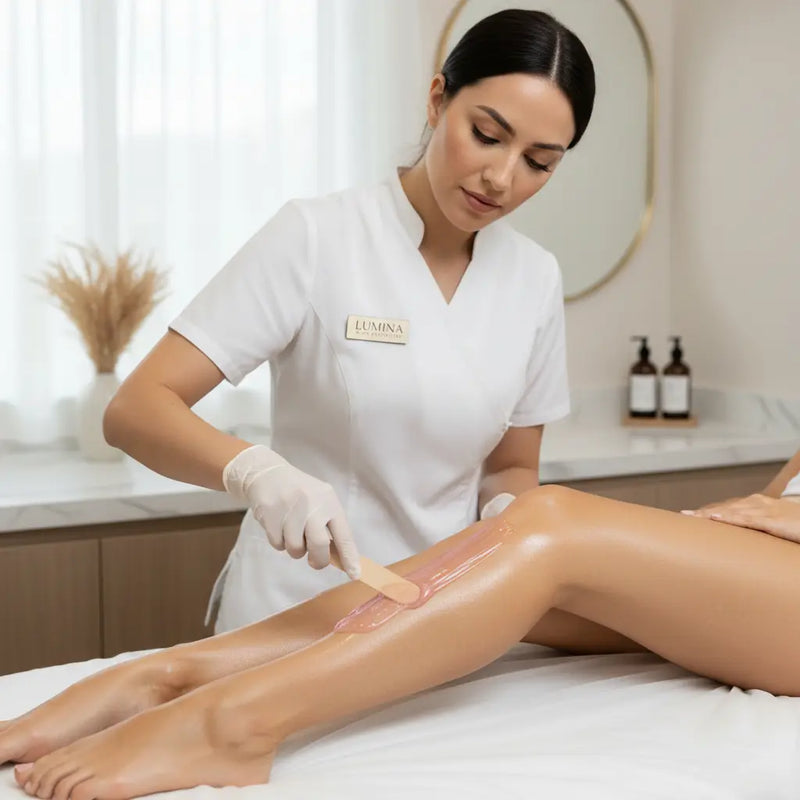
If you are dealing with frequent ingrown hairs, dark marks after bumps, or ongoing irritation, it may be time to look beyond over-the-counter trial and error. Professional waxing, post-wax guidance, and carefully chosen home care can make the process much easier on your skin.
For many women, the right answer is not finding one miracle product. It is choosing gentle, effective formulas that support the skin before and after hair removal, then adjusting based on how your skin actually behaves. That kind of care is less dramatic, but it is usually what creates a smoother, more comfortable bikini line you can maintain with confidence.


