


If your skin stings from a cleanser, turns red after a new serum, or feels dry no matter how much moisturizer you apply, the issue is often not that you need more products. You usually need gentler ones. Gentle skincare for sensitive skin starts with reducing stress on the skin barrier, choosing formulas with purpose, and giving your routine enough consistency to actually work.
Sensitive skin is not always a fixed skin type. For many people, it is a condition that shows up when the skin barrier is weakened, over-exfoliated, dehydrated, or reacting to fragrance, harsh surfactants, or too many active ingredients at once. That is why a routine that looks impressive on a shelf can still leave skin feeling tight, blotchy, or unpredictable.
What sensitive skin usually needs most
The most common mistake with reactive skin is assuming that stronger products will solve the problem faster. In reality, sensitive skin usually responds best to fewer steps, softer textures, and ingredients that support balance rather than force rapid change.
That means looking for cleansers that remove makeup, sunscreen, and daily buildup without leaving the skin squeaky or tight. It means moisturizers that do more than sit on the surface, with ingredients that help hold water in the skin and reinforce the barrier. It also means being careful with exfoliants, acids, retinoids, and heavily fragranced products, even when they are popular.
There is also an important difference between sensitivity and a true allergy. Sensitivity often shows up as burning, flushing, dryness, or general irritation. An allergy may include itching, rash, swelling, or a persistent reaction every time a certain ingredient is used. If reactions are strong or recurring, professional guidance matters.
Gentle skincare for sensitive skin starts with the barrier
Think of your skin barrier as the layer that helps keep moisture in and irritation out. When it is healthy, skin tends to feel smoother, calmer, and more resilient. When it is compromised, even products labeled for sensitive skin can feel uncomfortable.
Barrier support is not glamorous, but it is often what changes skin the most. Ingredients like ceramides, glycerin, hyaluronic acid, squalane, colloidal oatmeal, and panthenol can help replenish moisture and reduce that dry, reactive feeling. They do not need to tingle to be effective.
On the other hand, over-cleansing, hot water, aggressive scrubs, and too many treatment products can keep the barrier in a constant state of recovery. If your skin seems reactive to everything, that is often a sign to simplify before adding anything new.
How to build a simple routine that feels good every day
A good routine for sensitive skin should feel sustainable, not like a test of endurance. In the morning, start with either a gentle cleanse or a simple rinse, depending on how oily or dry your skin feels when you wake up. Follow with a moisturizer that supports hydration without heavy irritation triggers. Finish with sunscreen every day, because UV exposure can worsen redness, dryness, and post-inflammatory discoloration.
At night, use a gentle cleanser to remove the day. If you wear makeup or water-resistant sunscreen, you may prefer a two-step cleanse, but both formulas should still be mild. After cleansing, apply a moisturizer while skin is still slightly damp to help seal in hydration.
If you want to address acne, texture, or early signs of aging, add one treatment product at a time. This matters. Sensitive skin can absolutely benefit from active ingredients, but the pace has to match the skin. A low-strength retinoid, a mild exfoliating acid, or a brightening serum may work beautifully when introduced slowly. The problem is usually not the category itself. It is using too much, too often, without enough barrier support around it.
Ingredients to approach carefully
Not every sensitive skin trigger is universal, which is why ingredient awareness matters more than fear-based rules. One person may tolerate essential oils well and react to niacinamide. Another may love niacinamide and flare from fragrance. Still, a few categories deserve more caution.
Fragrance is a common one, especially in leave-on products. Physical scrubs can also be problematic because they create repeated friction on skin that is already vulnerable. High concentrations of acids, strong peels, and drying acne treatments can be useful in the right setting, but they are easy to overdo at home.
Even ingredients with a good reputation can become irritating when layered poorly. Vitamin C, exfoliating acids, retinoids, benzoyl peroxide, and multiple brightening products in one routine can push the skin past its comfort level. If your skin is sensitive, more is rarely better.
Gentle skincare for sensitive skin and acne can coexist
Many adults feel stuck between two concerns. They need products that are calming, but they also break out and worry that richer or gentler formulas will make things worse. The good news is that acne-prone skin and sensitive skin are not opposites. You do not have to choose between soothing your skin and treating congestion.
The key is using acne care that respects the barrier. A harsh cleanser and strong spot treatment may make a breakout feel temporarily dry, but they can also trigger more irritation and imbalance. For many people, consistent cleansing, lightweight hydration, and carefully introduced treatment ingredients create better long-term results than an aggressive routine ever does.
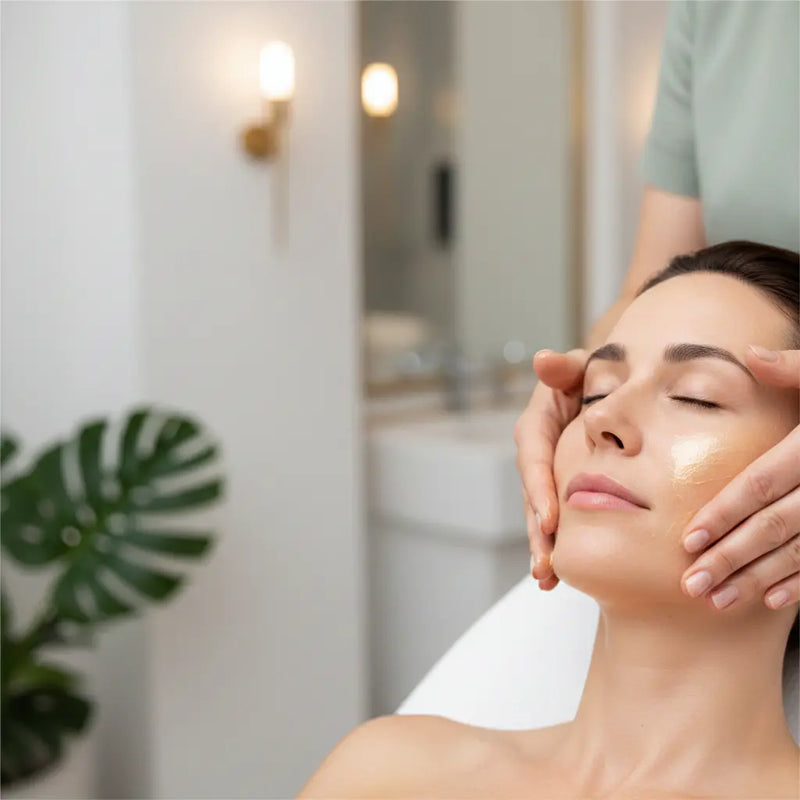
This is where personalized care makes a difference. If your skin is both reactive and breakout-prone, a custom facial or professional consultation can help separate irritation from acne and build a routine that is actually workable at home.
Why patch testing matters more than trends
Sensitive skin does not reward impulse buying. A product may have beautiful packaging, a clean ingredient story, and glowing reviews, but your skin still has the final say.
Patch testing is a simple habit that saves time and discomfort. Apply a small amount of the new product to a discreet area, such as along the jawline or behind the ear, for a few days before using it all over the face. This is especially helpful with active ingredients, fragranced products, and anything designed to exfoliate or renew the skin.
It is also wise to introduce one new product at a time. If you start three at once and your skin reacts, you will not know what caused it. Slow, clear changes make routines easier to trust.
Lifestyle details that can make skin more reactive
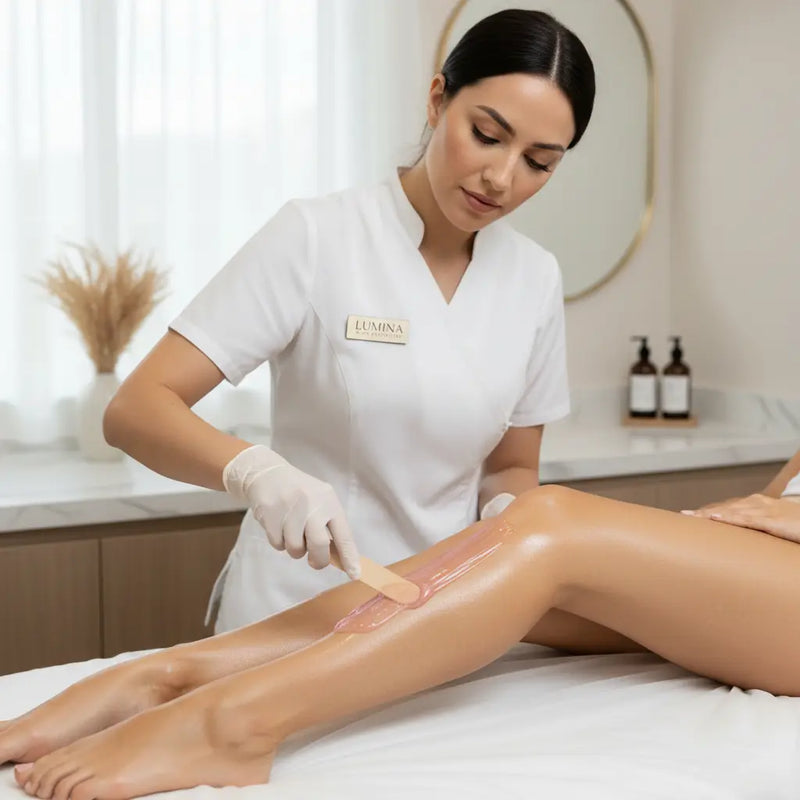
Sometimes the product is only part of the story. Sensitive skin can flare because of weather, indoor heat, stress, lack of sleep, overuse of hot water, or even friction from towels and pillowcases. Waxing, shaving, and active treatments can also temporarily increase sensitivity, which is why aftercare matters.
If your skin tends to become more reactive after services or seasonal changes, shift your routine accordingly. Pull back on exfoliation, focus on hydration, and keep your routine simple until the skin feels settled again. Skin is not static, and your routine should not be either.
For clients balancing home care with professional treatments, consistency between the two is often what creates visible improvement. A calming, supportive routine at home helps extend the results of facials and other skin services instead of undoing them with irritation.
When to get professional guidance
If your skin burns regularly, flushes easily, breaks out from nearly everything, or never seems fully comfortable, it may be time to stop experimenting on your own. Sensitive skin can overlap with dehydration, acne, rosacea, dermatitis, and barrier damage, and each one needs a slightly different approach.
Professional guidance can help you avoid the common cycle of overcorrecting. Instead of buying product after product and hoping one works, you get a clearer view of what your skin is asking for. At Lumina Skin Sanctuary, that often means focusing on clean, gentle, effective care that supports long-term skin health rather than quick fixes.
The best routine for sensitive skin is usually the one that feels calm, repeatable, and easy to maintain. When your skin feels comfortable, hydrated, and less reactive, that is not a small win. It is the foundation for healthy, radiant skin that keeps getting better with time.


