


A great wax is not only about technique, it’s about infection control, skin integrity, and trust. Waxing temporarily removes hair from the follicle and can create tiny openings in the skin, which is why a truly clean setup matters more than scented candles or a trendy waiting room.
This waxing salon checklist focuses on what a hygienic, professional waxing environment looks like in real life, so you can walk in, scan the room, and feel confident you’re in the right place.
Why hygiene matters in a waxing salon (beyond “it looks clean”)
“Clean” is often used as a vibe. Hygienic is more specific: it means the salon has systems that reduce cross-contamination (client-to-client and surface-to-skin) and lowers the risk of problems like folliculitis, irritation flare-ups, and infection.
Two practical truths:
- Waxing can leave skin temporarily more reactive, so contamination and harsh products are more likely to cause trouble.
- Good sanitation is mostly about repeatable routines, not one big deep-clean once a week.
If you want a reference point for what strong hygiene systems look like in healthcare settings, the CDC’s hand hygiene guidance is a helpful baseline for why handwashing timing and technique matter in preventing spread of germs.
Waxing salon checklist: what you should notice in the first 60 seconds
When you first arrive, you can spot a lot without interrogating anyone.
A clean front desk is a process signal
Look for signs that the business maintains standards all day, not only at opening.
Green flags:
- Floors and surfaces look routinely maintained (not spotless perfection, but clearly cared for)
- Reception area does not have open food, drink, or uncovered personal items on service counters
- Restroom access is available (and the restroom looks stocked and maintained)
Yellow flags:
- Overflowing trash, sticky counters, dust buildup around baseboards
- Strong fragrance attempting to “cover” odors
- Used service items visible anywhere outside the treatment room
Licenses and professionalism should be easy to verify
In many states, salons and practitioners must be licensed. In Florida, you can verify certain licenses through the state’s resources (the Florida DBPR site is a common starting point for license lookups).
A hygienic business usually isn’t defensive about credentials, because compliance is part of how they operate.
Hand hygiene: the most important part of the setup
In waxing, the practitioner’s hands touch product containers, tools, your skin, linens, and high-touch surfaces. That makes hand hygiene the number one indicator of a hygienic salon.
What a hygienic handwashing station looks like
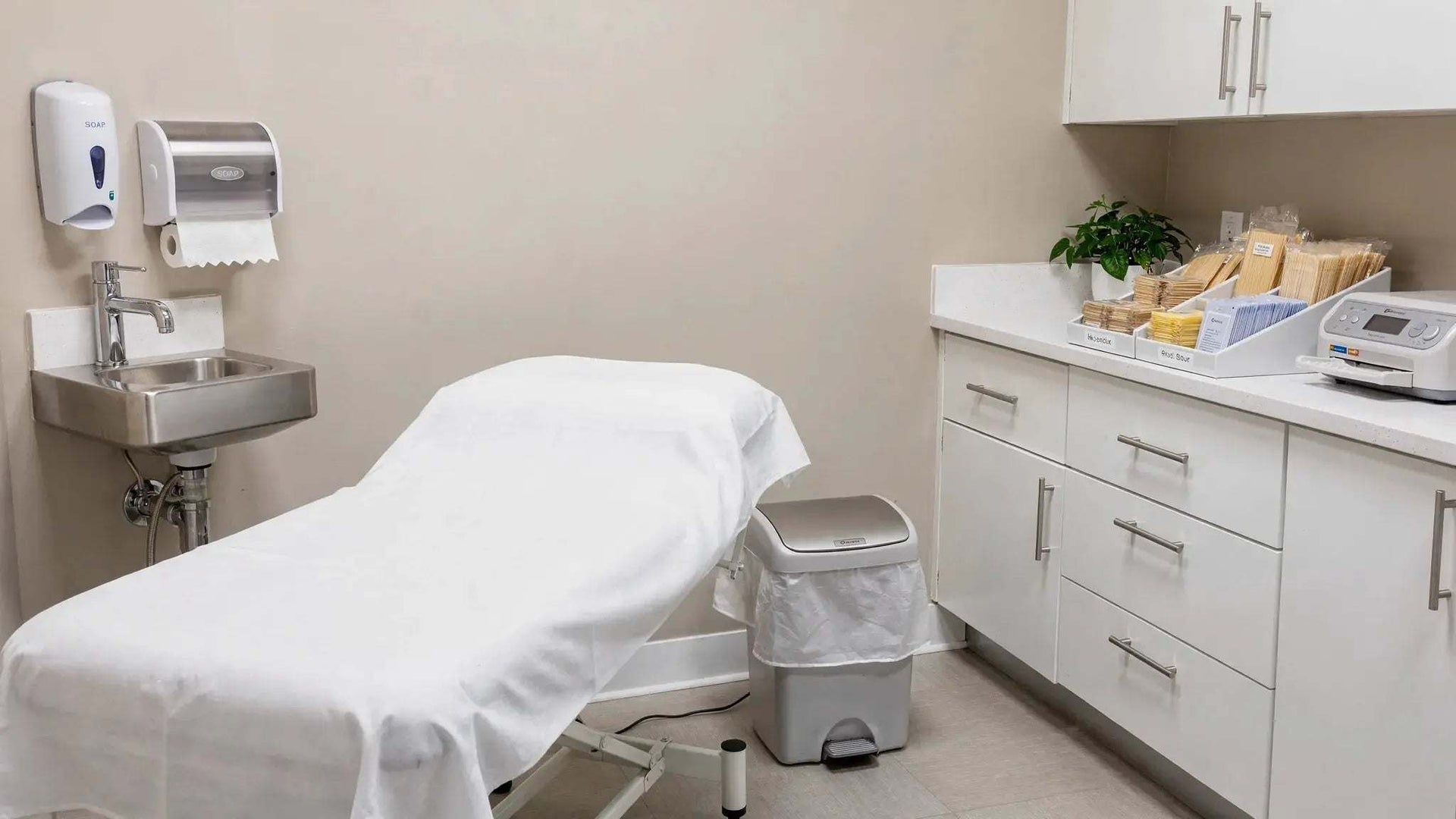
In or near the treatment area, you should typically see:
- A sink with running water
- Soap (liquid pump is common)
- Paper towels (or a hygienic single-use drying method)
- A trash can nearby, ideally with a liner and easy-open lid
Hand sanitizer is useful, but it should not replace handwashing when hands are visibly soiled or when switching between tasks.
Gloves are not a shortcut
Gloves only help when they’re used correctly.
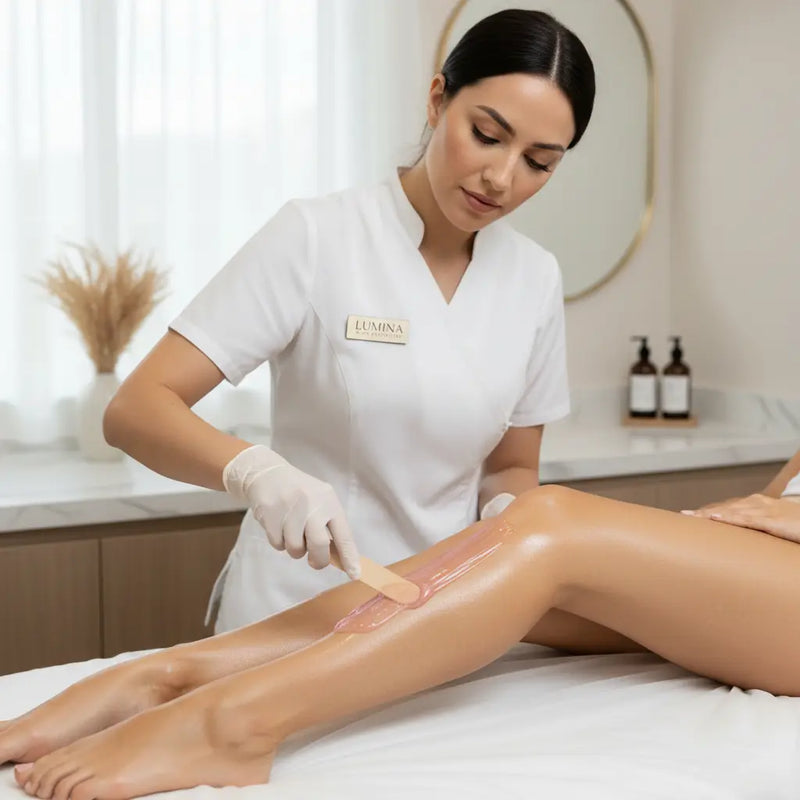
What to look for: the esthetician washes hands, then puts on fresh gloves right before starting the wax service and changes gloves if they touch non-clean surfaces (phone, door handle, drawer, hair, etc.).
If you ever see gloves used as “all-day gloves,” that’s a sanitation red flag.
Treatment room setup: clean zone vs. used zone
A hygienic waxing room has clear separation between:
- Clean items (unused applicators, clean linens, disinfected tools)
- Used items (wax strips, discarded applicators, used gauze, soiled linens)
That separation is what prevents accidental cross-contact.

Waxing room hygiene checklist (quick visual scan)
Use this table as a fast “spot-check” guide.
| Setup element | What you should see | Why it matters |
|---|---|---|
| Treatment bed | Fresh paper or visibly fresh linens placed before service | Reduces contact with body oils, skin cells, and residual product from prior client |
| Clean supply storage | Closed drawers/containers, not open clutter | Protects clean items from airborne dust and accidental touch contamination |
| Tool organization | Tools laid out on a clean tray or barrier, not loose on counters | Helps maintain a clean field during service |
| Trash | Lined bin, ideally with a lid, placed within easy reach | Prevents used items from touching clean surfaces |
| Skin prep items | Single-use where appropriate (gauze/cotton), clean dispensers (pump bottles) | Minimizes product contamination and double-dipping |
| Visible disinfectant | A professional disinfectant product present (or the salon can explain what they use) | Indicates a real disinfection routine, not just “wipe it with something” |
The wax station: what hygienic wax handling looks like
Waxing hygiene is often won or lost at the wax pot.
Non-negotiable: no double-dipping
The gold standard expectation is simple:
- A fresh applicator goes into the wax once, then gets discarded.
If an applicator is re-dipped after touching skin, it can introduce bacteria into the wax. Even if the wax is hot, you should not assume heat sterilizes it. Hygienic studios treat the wax as a product that must be protected from contamination.
Pot and product handling should look controlled
Green flags you can see:
- Wax pot area is tidy and dedicated (not surrounded by random personal items)
- Applicators are stored cleanly (covered container or closed drawer)
- The esthetician dispenses product in a way that avoids contaminating containers (pump bottles vs. open jars when possible)
If you’re unsure, a simple, normal question is: “Can you walk me through how you prevent cross-contamination with wax?” A professional answer will be clear and calm.

Disinfection: “clean” is not the same as “disinfected”
A hygienic waxing salon doesn’t only remove visible residue. It uses the right products the right way.
What “real disinfection” usually includes
In professional settings, surfaces and reusable tools are typically disinfected with products designed for that purpose, used according to label instructions (including how long the surface must stay wet).
In the U.S., many disinfectants are registered through the EPA, and the label directions matter. If you want to understand why “contact time” is a real thing, the EPA’s consumer guidance on disinfectants is a credible starting point.
High-touch surfaces should be part of the routine
Even in a spotless room, high-touch points can be the weak link:
- Door handles
- Light switches
- Drawer pulls
- Treatment chair adjustments
- Faucet handles
A hygienic setup accounts for these because they are touched between glove changes and between clients.
Linens, laundry, and single-use items
Waxing involves towels, headbands, bed coverings, and sometimes wraps. These can be hygienic or they can be a hidden problem.
What to look for with linens
A clean salon typically:
- Stores clean linens in a closed cabinet or covered area
- Places used linens directly into a hamper (not on the floor)
- Doesn’t reuse towels between steps unless the towel stayed clean
Single-use items (like disposable bed paper, cotton, applicators) are common in waxing because they simplify sanitation and reduce accidental cross-contact.
Bathroom hygiene is part of waxing hygiene
It’s easy to ignore the restroom when judging a waxing studio, but it’s a strong indicator of standards.
A hygienic restroom usually has:
- Soap and a working dispenser
- Paper towels or a hygienic drying option
- A trash bin that’s not overflowing
- A generally maintained sink and toilet area
If the bathroom is consistently neglected, it suggests the business struggles with daily sanitation routines.
Intake and screening: hygiene also means “knowing when not to wax”
A hygienic waxing experience includes client screening, because certain skin conditions and medications raise the risk of skin lifting, irritation, or injury.
A professional waxing provider will typically ask about:
- Recent retinoid use (topical or oral)
- Recent chemical peels, laser, or aggressive exfoliation
- Sunburn, active rashes, or broken skin
- History of severe reactions, infections, or compromised healing
This is not “extra.” It is part of safe practice.
If you want a deeper decision-making guide for choosing a safe studio overall (beyond setup and sanitation), you can also reference Lumina’s related post on choosing a clean hair removal salon: Hair Removal Salon: How to Choose a Clean, Safe Studio.
A quick note about finding a waxing salon online
Most people start with Google, reviews, and location. That’s normal, but it can create a false sense of safety because visibility is not the same as hygiene.
Some small businesses work with agencies such as SEO Bridge to improve their online presence, which can be a smart marketing move, but your in-person checklist still matters. A hygienic setup is something you can verify with your eyes and by asking a couple of straightforward questions.
The simplest “ask before you book” script
If calling or messaging feels awkward, keep it practical. You’re not accusing anyone, you’re checking fit.
- “Do you use a no double-dipping policy with wax?”
- “How do you disinfect your tools and treatment surfaces between clients?”
- “Do you screen for retinoids, recent peels, or sunburn before waxing?”
A hygienic salon will answer clearly and consistently.
Bringing it home: what you should expect at a skin-first studio
Whether you’re booking brows, underarms, bikini, or full legs, a hygienic waxing salon should feel structured. The environment supports the service: handwashing is easy, supplies are organized, disinfection is routine, and the wax handling is controlled.
If you’re in Babcock Ranch, Florida and looking for a skin-first approach to waxing and overall skin health, Lumina Skin Sanctuary offers professional services and curated skincare. The best next step is to book a consultation or appointment and use the checklist above during your visit so you feel confident in the setup, not just the results.


