



TL;DR:
- A skin reset treatment simplifies skincare to restore the skin’s natural balance through hydration, barrier repair, and gentle protection. It involves pausing active ingredients for six to eight weeks to allow natural renewal, receptor recalibration, and barrier rebuilding. Professional treatments can accelerate recovery and address deeper concerns, especially in sun-exposed environments like Fort Myers.
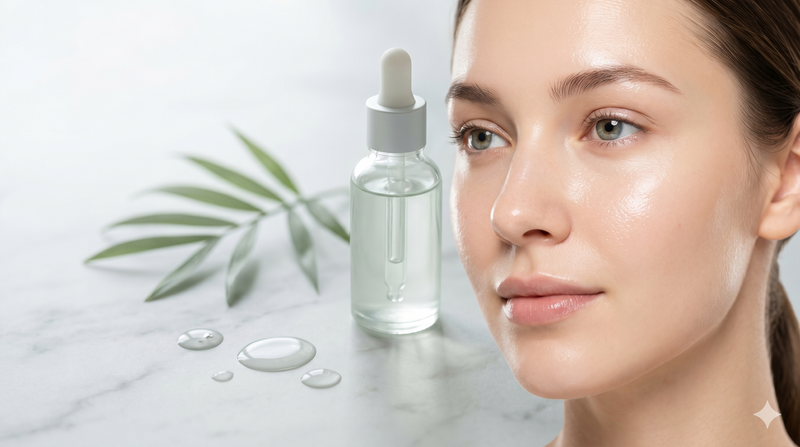
A skin reset treatment is defined as a deliberate, simplified skincare protocol that restores the skin’s natural balance by focusing on hydration, barrier repair, and gentle protection. The term “skin reset” is the popular phrase for what estheticians and dermatologists call barrier recovery or skin normalization. Lumina Skin Sanctuary in Fort Myers, Florida, uses this approach as a foundation before introducing any advanced treatments, because skin that is balanced responds better and heals faster. Florida’s heat, humidity, and year-round UV exposure make barrier disruption especially common here. A reset gives your skin a clean, stable starting point.
What is a skin reset treatment and how does it work biologically?
A skin reset works by allowing the skin’s natural renewal cycle to complete without interference from aggressive actives or complex routines. The skin renews itself roughly every 30–40 days. A full reset protocol takes 6–8 weeks to allow that cycle to finish and for the skin’s barrier and hydration levels to stabilize. That timeline is not arbitrary. It reflects how long the skin needs to rebuild its lipid layer and normalize moisture retention without outside disruption.
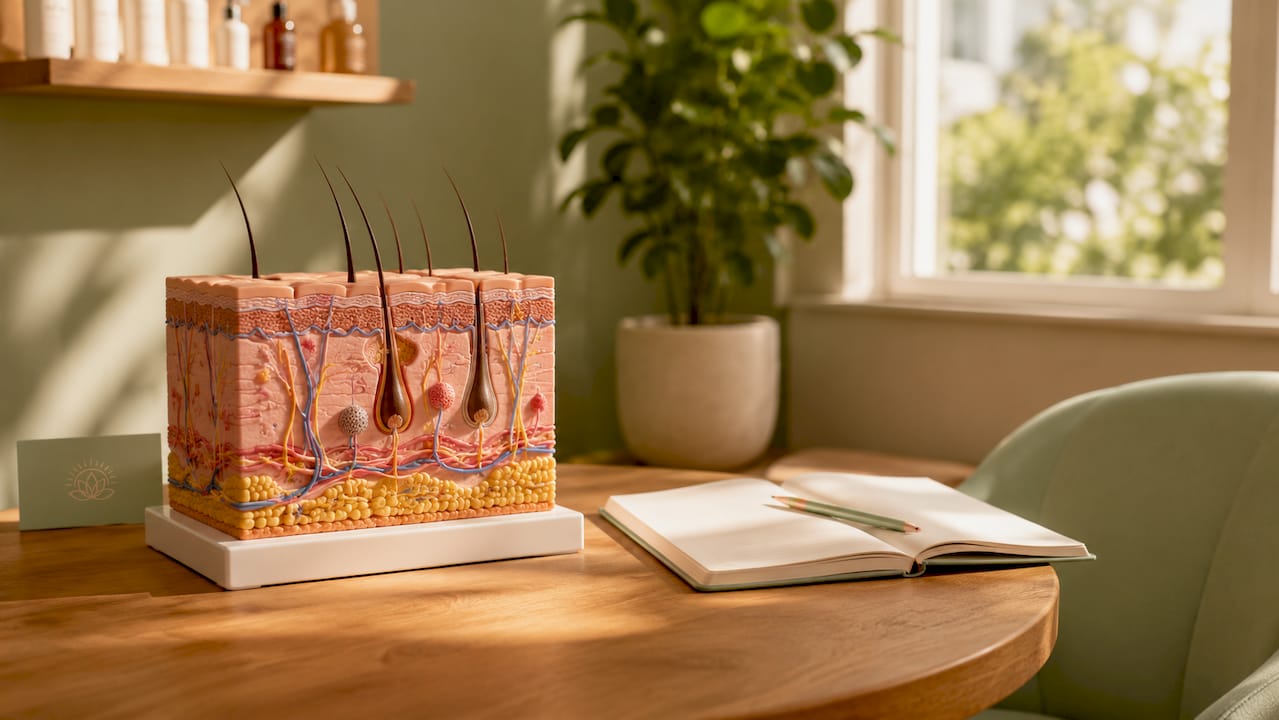
One key biological reason resets work is receptor down-regulation. When you apply the same active ingredients, such as retinol or AHAs, for months without a break, your skin’s receptors stop responding as strongly. The result is dullness and reduced effectiveness from products that once worked well. A reset period allows those receptors to recalibrate, so when you reintroduce actives, your skin responds fully again.
During a reset, the skin’s natural moisturizing and lipid synthesis normalizes. You may notice a temporary dull or less reactive phase in the first two weeks. That phase is necessary and expected. It signals that your skin is recalibrating rather than relying on external stimulation.
Here is what happens biologically during a skin reset:
- Barrier repair: The skin rebuilds its lipid matrix, reducing water loss and sensitivity.
- Microbiome rebalancing: Gentle, microbiome-friendly products allow beneficial bacteria to stabilize.
- Receptor recalibration: Skin receptors regain sensitivity to actives after a period of reduced stimulation.
- Hydration normalization: Natural moisturizing factors increase when harsh cleansers and over-exfoliation stop.
- Inflammation reduction: Removing irritants lowers baseline redness and reactivity.
What are the common methods and types of skin reset treatments?
Skin rejuvenation techniques for resetting the skin fall into three broad categories: simplified at-home routines, professional facial treatments, and intensive clinical procedures. Each serves a different level of skin disruption and a different timeline.
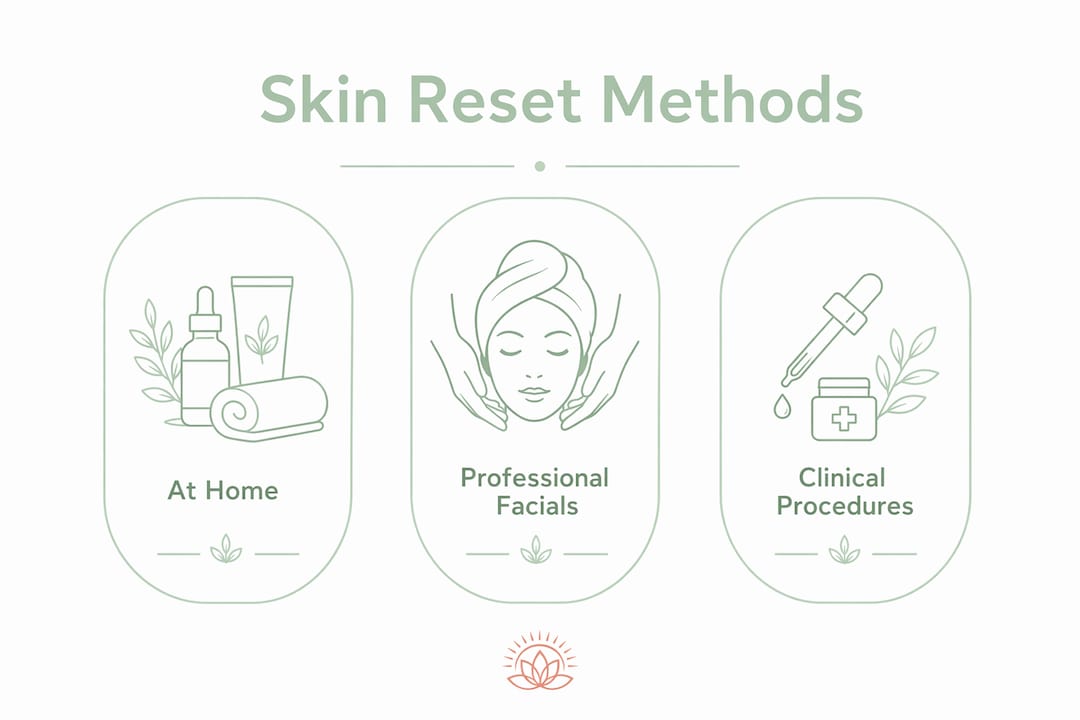
At-home skin reset routine
An at-home reset strips the routine back to three steps: a gentle cleanser, a hydrating moisturizer, and a physical sunscreen. You pause actives including retinol, AHAs, BHAs, and Vitamin C for the full reset period. Hydration recovery and barrier support are the goals, not exfoliation or brightening. This approach works well for people whose skin has become reactive, congested, or dull from overuse of active ingredients.
Professional facial treatments
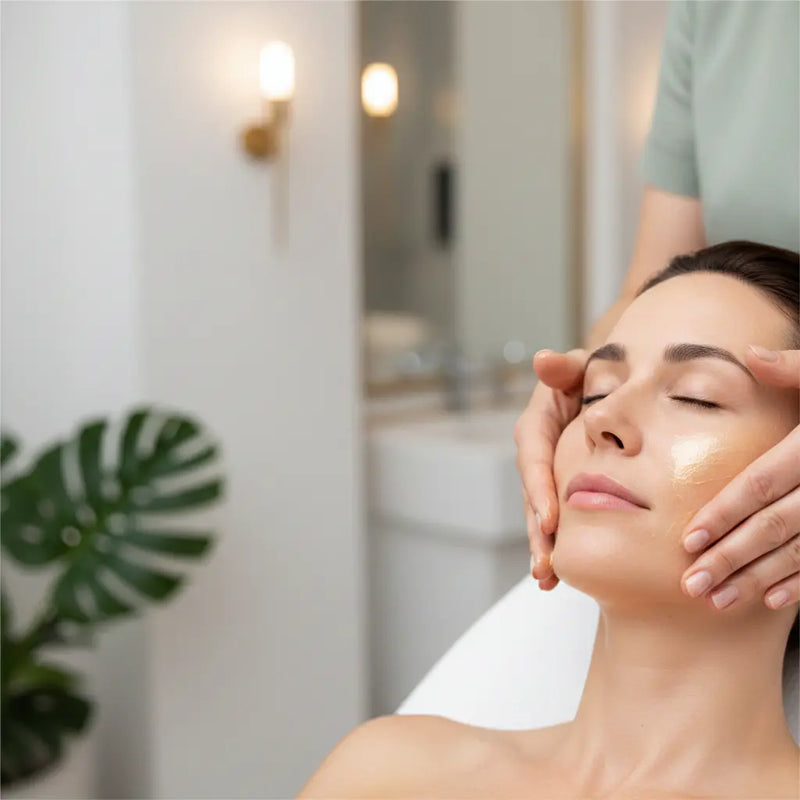
Professional facials go further than at-home care. Options include chemical peels, extractions, oxygen therapy, and LED light therapy. These treatments remove surface buildup, deliver concentrated hydration, and support barrier repair in a single session. Lumina Skin Sanctuary uses medical-grade technologies, including LED light therapy and gentle chemical peels, to accelerate the reset process for clients dealing with Fort Myers sun damage and humidity-related congestion. For guidance on selecting the right option, the facial treatment type guide at Lumina Skin Sanctuary covers individual skin concerns in detail.
Intensive clinical procedures
Intensive procedures include laser resurfacing, radiofrequency microneedling, and CO2 lasers. These are single-session treatments with specific recovery needs. Professional resurfacing treatments are best scheduled during low UV exposure periods, such as winter, because post-treatment skin is more vulnerable to sun damage. Radiofrequency microneedling shows greater than 90% patient satisfaction for improving skin texture and tightening, with adverse effects limited to brief redness and swelling. That level of satisfaction reflects how predictable outcomes are when the procedure is matched to the right candidate.
| Treatment type | Setting | Timeline | Best for |
|---|---|---|---|
| Simplified routine | At home | 6–8 weeks | Reactive, overloaded skin |
| Professional facial | Clinic or spa | Single session | Congestion, dullness, mild damage |
| Laser or microneedling | Clinical | Single session + recovery | Scarring, pigmentation, texture |
Pro Tip: Schedule intensive clinical resets in november or december in Fort Myers. Lower UV intensity during those months reduces post-treatment hyperpigmentation risk significantly.
What are the key benefits and common misconceptions about skin resets?
A skin reset delivers three core benefits: restored barrier integrity, improved hydration, and normalized skin function. Restoring hydration improves skin comfort, texture, and product absorption. That last point matters most. A skin that absorbs products properly gets more value from every step in a routine, including serums and treatments applied after the reset period ends.
The benefits of a skin reset include:
- Restored barrier function: Reduced sensitivity, less redness, and fewer reactions to products.
- Better product absorption: Normalized skin takes in active ingredients more effectively after the reset.
- Improved texture and glow: Skin treatment for glow becomes more effective when the barrier is intact.
- Reduced congestion: Simplified routines lower the load of ingredients that can clog or irritate pores.
The most common misconception is skin fasting, which means stopping all products entirely. Skin fasting is misguided. Environmental stressors and daily cleansing strip the skin’s moisture and microbiome. Skipping products entirely risks dryness, irritation, and barrier damage. A true reset maintains gentle cleansing, hydration, and sun protection throughout.
“Skin resets focus on recovering with gentle, microbiome-friendly, supporting products. Effective resets emphasize consistent support rather than neglect or extremes in skincare. The goal is a healthy baseline, not a blank slate.”
The second common mistake is overcorrecting. Clients who feel their skin is dull during a reset often add actives back too early. That interrupts the recalibration process and restarts the cycle of receptor down-regulation. Patience through the full 6–8 week window produces the most durable results.
How to implement a skin reset safely at home and when to seek professional help
A safe at-home skin reset follows a clear sequence. Rushing any step or skipping the full timeline reduces results.
- Audit your current routine. List every product you use. Identify actives including retinol, AHAs, BHAs, exfoliating toners, and Vitamin C serums.
- Pause all actives immediately. Keep only a gentle cleanser, a fragrance-free moisturizer, and a physical sunscreen with zinc oxide or titanium dioxide.
- Cleanse once or twice daily. Use lukewarm water and a low-pH, non-stripping cleanser. Avoid foaming cleansers with sulfates.
- Apply moisturizer while skin is still damp. This locks in water and supports the lipid barrier. Look for ceramides, hyaluronic acid, or niacinamide.
- Apply physical SPF 30 or higher every morning. This step is non-negotiable. Skipping moisturizer and SPF during resets worsens barrier damage. These two products are the foundation of the reset, not optional extras.
- Hold this routine for 6–8 weeks. Track changes weekly. Note texture, reactivity, and how your skin feels after cleansing.
- Reintroduce one active at a time after week eight. Start with the lowest concentration and increase gradually.
Pro Tip: Keep a simple weekly skin log during your reset. Note redness, tightness, and texture on a scale of 1–10. The data helps you and your esthetician identify when your skin has stabilized and is ready for actives again.
Seek professional consultation when your skin shows persistent redness, flaking, or breakouts that do not improve after two weeks of a simplified routine. Conditions like rosacea, active acne, or post-inflammatory hyperpigmentation require a tailored protocol. For Fort Myers residents, the combination of high UV exposure and humidity means that microbiome-friendly skincare is especially relevant during a reset. Intensive annual resets using ablative lasers or microneedling require knowledgeable providers who understand individual skin types, particularly for people with melanated skin where post-inflammatory hyperpigmentation is a real risk. For those cases, non-ablative or light-based therapies are the safer starting point.
The difference between professional and at-home care is not just intensity. It is precision. A professional facial versus at-home routine comparison shows that clinical treatments reach deeper layers of the skin and deliver results that a simplified home routine cannot replicate alone.
Key Takeaways
A skin reset treatment works because it removes the barriers to natural skin function, specifically barrier damage, receptor fatigue, and hydration loss, and gives the skin 6–8 weeks to normalize before any active treatments resume.
| Point | Details |
|---|---|
| Reset timeline | Allow 6–8 weeks for a full skin cycle to complete and barrier function to stabilize. |
| Core reset products | Keep only a gentle cleanser, fragrance-free moisturizer, and physical SPF during the reset period. |
| Skin fasting is harmful | Stopping all products damages the barrier. Gentle, consistent support is the correct approach. |
| Professional treatments accelerate results | Facials, peels, and microneedling speed up barrier recovery and address deeper concerns. |
| Receptor recalibration is real | Pausing actives restores skin sensitivity, making post-reset treatments more effective. |
What I’ve learned from watching skin resets work in Fort Myers
Fort Myers skin is under constant pressure. The UV index here is high for most of the year, and the humidity creates a cycle of congestion followed by dehydration that confuses a lot of people into adding more products, not fewer. What I see most often at Lumina Skin Sanctuary is clients who arrive with six or seven active ingredients in their routine and skin that has stopped responding to any of them.
The reset process is not glamorous. The first two weeks often feel like nothing is happening. Clients expect a glow and instead get a neutral, calm face. That calm is the point. It means inflammation is dropping and the barrier is starting to close.
What I tell every client is this: the products you add back after a reset will work better than they ever did before. That is the real payoff. Consistent hydration and barrier support are not a temporary fix. They are the foundation that makes every other treatment more effective. For anyone in Fort Myers managing sun damage, humidity breakouts, or reactive skin, a reset is not optional. It is the starting point for any result that lasts.
— Kira Tia
Skin reset treatments and professional care at Lumina Skin Sanctuary
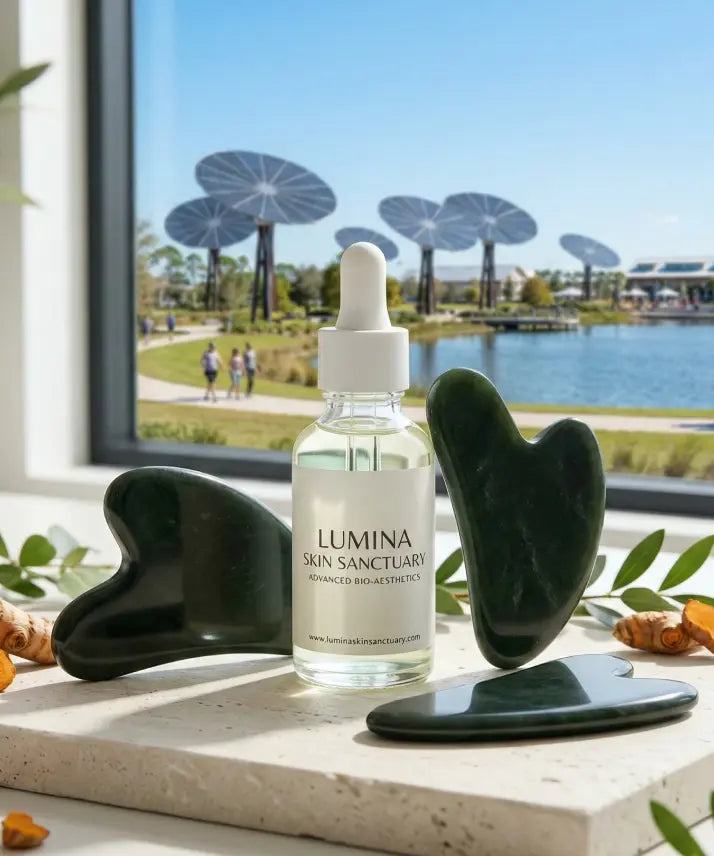
Lumina Skin Sanctuary in Fort Myers offers targeted treatments designed to support and accelerate your skin’s recovery process.
The Youth-Restore, Sculpting and Firming Series is built for clients who want to restore firmness and radiance after a reset period. For deep cleansing and pore clarity, the Deep Purifying Pore Control Facial clears congestion and prepares skin for the next phase of care. Every treatment at Lumina Skin Sanctuary begins with an individualized consultation to match the right protocol to your skin type and Fort Myers climate concerns. Visit luminaskinsanctuary.com to book your consultation or browse available treatments.
FAQ
What is a skin reset treatment in simple terms?
A skin reset treatment is a simplified skincare routine that removes harsh actives and focuses on gentle cleansing, hydration, and SPF to restore the skin’s barrier and natural balance over 6–8 weeks.
How does skin reset work for dull or reactive skin?
Dullness and reactivity often result from receptor down-regulation caused by prolonged use of actives. A reset pauses those ingredients, allowing skin receptors to recalibrate and restoring the skin’s natural responsiveness.
What should I expect from a skin reset in the first few weeks?
Expect a calm, neutral skin phase in the first two weeks as inflammation drops. Texture and glow improve gradually through weeks four to eight as the barrier stabilizes.
Is skin fasting the same as a skin reset?
No. Skin fasting means stopping all products, which risks dryness and barrier damage. A skin reset maintains gentle cleansing, moisturizer, and SPF throughout the entire protocol.
When should I see a professional for a skin reset?
Consult a professional if redness, flaking, or breakouts persist after two weeks of a simplified routine, or if you have specific concerns like hyperpigmentation, rosacea, or acne that require a tailored clinical approach.


