


Face sagging is one of those skin changes that can seem to appear gradually, then suddenly feel very noticeable in photos, under bright bathroom lighting, or when makeup no longer sits the same way. It may show up as softer cheeks, a less defined jawline, early jowls, deeper folds around the mouth, or skin that looks less “springy” than it used to.
The important thing to know is that face sagging is not caused by one single factor. It is usually the result of changes in collagen, elastin, facial fat, bone support, muscle tone, lifestyle, and long-term sun exposure. That means prevention and treatment work best when they are layered, realistic, and customized to your actual skin.
Below, we will break down what causes face sagging, what you can do to slow it down, and which treatment options make sense depending on your skin goals.
What Is Face Sagging?
Face sagging refers to a loss of firmness and support in the skin and underlying facial structures. While fine lines are mostly surface-level changes, sagging involves deeper support systems, including collagen fibers, elastin, fat pads, and the facial framework beneath the skin.
Common signs include:
- Softer cheek contours
- Less definition along the jawline
- Early jowls
- Nasolabial folds that look deeper
- Marionette lines around the mouth
- Loose skin under the chin or neck
- Skin that feels thinner or less resilient
Sagging is a normal part of aging, but the pace varies widely. Genetics matter, but so do sun exposure, inflammation, skincare habits, weight fluctuations, sleep, nutrition, and professional skin treatments.
The Main Causes of Face Sagging
Collagen and Elastin Decline
Collagen gives skin structure, while elastin helps it bounce back. As we age, the body naturally produces less of both. Existing collagen also becomes more fragmented, which makes skin less firm over time.
This process often becomes more noticeable in the 30s, 40s, and beyond, though it can start earlier depending on lifestyle and sun exposure. Hormonal changes, especially around perimenopause and menopause, can also accelerate visible firmness loss.
Sun Damage and UV Exposure
In Florida, UV exposure is one of the biggest contributors to premature skin aging. The American Academy of Dermatology notes that sun protection is one of the most effective ways to reduce premature skin aging, including wrinkles, discoloration, and loss of firmness. Daily sunscreen is not just a “beach day” habit. It is a year-round skin health habit.
UV rays break down collagen and elastin through a process called photoaging. Over time, this can leave skin looking thinner, looser, rougher, and more uneven in tone. If you live in Babcock Ranch, Punta Gorda, Fort Myers, or anywhere in Southwest Florida, consistent sun protection is foundational.
Facial Volume Shifts
Sagging is not only about the skin. As the face ages, fat pads can shift downward, and bone density can gradually change. This can make the midface look flatter, the under-eye area look more hollow, and the lower face appear heavier.
This is why firming creams alone have limits. They may improve hydration, smoothness, and the look of fine lines, but they cannot replace deeper structural support.
Repeated Inflammation
Chronic inflammation can weaken the look and function of the skin barrier. Acne, irritation, over-exfoliation, harsh products, and untreated congestion can all keep skin in a stressed state. While inflammation does not “cause” sagging in the same way collagen loss does, it can make skin look older, duller, and less resilient.
For clients who are dealing with laxity plus congestion, oiliness, or breakouts, starting with skin clarity can be smarter than jumping straight into aggressive anti-aging treatments. For example, The Deep Purifying Pore Control Facial Treatment is designed for congested, oily, and acne-prone skin, using electrical desincrustation and germicidal high frequency to help clear pores, reduce bacteria, and calm inflammation. It is not a lifting procedure, but it can support a healthier foundation for future corrective care.
Weight Fluctuations
Repeated weight gain and loss can stretch the skin. When volume decreases, especially after significant weight loss, the skin may not fully retract. This can be most visible around the cheeks, jawline, under the chin, and neck.
Gradual, sustainable weight management is generally kinder to the skin than rapid changes. If weight loss has already happened, professional treatments may help improve texture and firmness, though significant loose skin may require medical evaluation.
Lifestyle Factors
Sleep, stress, nutrition, alcohol intake, and smoking can all influence how skin ages. Smoking is especially damaging because it reduces oxygen delivery to the skin and contributes to collagen breakdown. Chronic poor sleep can also affect repair processes, hydration balance, and inflammation.
The goal is not perfection. It is consistency. Small habits repeated daily often matter more than occasional intensive treatments.
Face Sagging vs. Wrinkles: Why the Difference Matters
Wrinkles and sagging often appear together, but they are not the same problem. Wrinkles can come from expression, dehydration, collagen loss, sun damage, or texture changes. Sagging is more related to support loss and tissue descent.
This difference matters because the best treatment for etched lines is not always the best treatment for laxity. A gentle peel, resurfacing treatment, or hydrating facial may soften texture and fine lines, while more pronounced sagging may need collagen-stimulating procedures or medical options.
If your main concern is fine creasing around the chin, lower face, or mouth, Lumina’s guide to what causes chin wrinkles and how to soften them offers a more targeted look at that specific concern.
How to Help Prevent Face Sagging
Prevention does not mean stopping aging. It means helping your skin age in a healthier, slower, more supported way.
Use Broad-Spectrum Sunscreen Every Day
Daily broad-spectrum SPF is the most important preventive step for sagging, wrinkles, dark spots, and rough texture. Apply it to the face, neck, chest, and ears. Reapply when outdoors, sweating, or swimming.
In Southwest Florida, hats, sunglasses, and shade are also part of a smart anti-aging plan. Sunscreen works best when paired with physical sun protection.
Build a Gentle, Consistent Skincare Routine
A good routine does not need to be complicated. In fact, overdoing active ingredients can create irritation that makes skin look worse. A balanced routine usually includes a gentle cleanser, antioxidant support, moisturizer, sunscreen, and a nighttime corrective ingredient if your skin tolerates it.
Retinoids, vitamin C, niacinamide, peptides, and barrier-supporting moisturizers may all play a role, depending on your skin type. If you are sensitive, acne-prone, or dealing with rosacea-like redness, professional guidance can help you avoid unnecessary irritation.
Support Skin From the Inside
Skin needs protein, healthy fats, vitamins, minerals, and hydration to function well. Nutrients such as vitamin C, zinc, and amino acids are involved in collagen production and repair. A balanced diet cannot “lift” sagging skin, but it can support healthier skin function.
Exercise also helps circulation and overall wellness. Resistance training may be especially valuable as we age because it supports muscle tone and metabolic health.
Avoid Aggressive DIY Treatments
Harsh scrubs, at-home high-strength peels, and unregulated devices can damage the barrier and trigger inflammation. This is especially risky in sunny climates, where irritated skin is more prone to discoloration.
If your goal is firmer, smoother skin, controlled professional care is usually safer and more effective than trying to force fast results at home.
Treatment Options for Face Sagging
The best treatment depends on how much laxity you have, whether texture or discoloration is also present, and how natural you want the result to look. Most people benefit from a layered plan rather than one single treatment.
| Concern | Helpful options | What to expect |
|---|---|---|
| Early firmness loss with dullness | Professional facials, gentle exfoliation, hydration, daily SPF | Brighter, smoother, more refreshed skin |
| Sun-damaged or textured skin | Resurfacing treatments, chemical exfoliation, restorative hydration | Improved texture, glow, and fine line appearance |
| Mild laxity | Collagen-supportive skincare, facial massage, non-invasive rejuvenation options | Gradual improvement, best with consistency |
| Moderate jawline or cheek sagging | Professional evaluation, collagen-stimulating treatments, medical aesthetics when appropriate | More noticeable change may require multiple modalities |
| Significant loose skin or jowls | Consultation with a dermatologist or plastic surgeon | Surgical or medical options may be needed |
Professional Facials
Professional facials can improve hydration, circulation, barrier function, congestion, and radiance. While a facial will not reposition deeper facial structures, it can make the skin look healthier, smoother, and more alive. For early aging signs, this can make a meaningful visible difference.
The key is choosing the right facial for your skin, not simply the strongest one available. Mature, dry, textured skin needs different support than oily, congested, inflamed skin.

Resurfacing and Restorative Treatments
When face sagging is paired with rough texture, fine lines, or sun damage, resurfacing can help the skin look smoother and more refined. Resurfacing treatments work on the skin surface and upper layers, encouraging a fresher appearance and improving the way light reflects off the face.
For mature, sun-damaged, or textured skin, The Lumina Ultimate Resurfacing and Restorative Program is designed to combine mechanical resurfacing with deep hydration to help reduce the look of fine lines, refine skin texture, and restore a youthful glow. This type of treatment is especially relevant when sagging is not the only concern and the skin also looks dull, crepey, or uneven.
Chemical Peels
Chemical peels can improve texture, discoloration, acne marks, and fine lines by exfoliating damaged surface layers. They do not lift sagging skin in the surgical sense, but they can make the skin look brighter and smoother, which often softens the overall aged appearance.
The right peel depth matters. In sunny climates, conservative, well-timed peels with excellent aftercare are often preferable to aggressive treatments that increase pigmentation risk.
Facial Massage and Sculpting Techniques
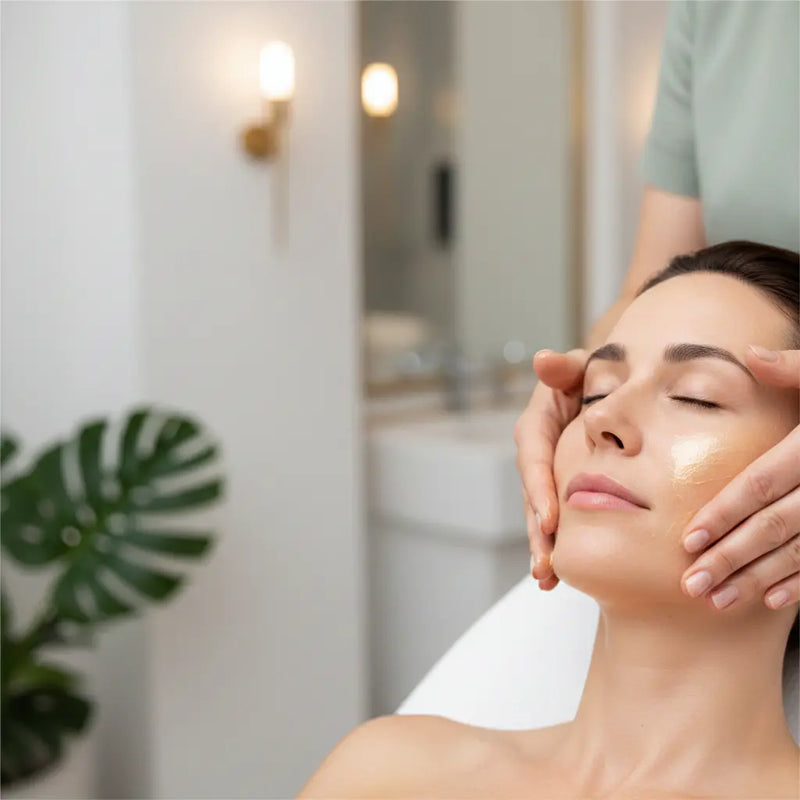
Facial massage can temporarily reduce puffiness, improve circulation, and help the face look more sculpted. Some people notice a lifted look immediately after treatment because fluid movement and muscle relaxation can change facial appearance.
However, massage is not a permanent solution for true skin laxity. It works best as part of a broader plan that includes skincare, sun protection, and targeted professional treatments.
Non-Invasive Firming Options
Non-invasive face lifting and firming treatments may include technologies that aim to support collagen remodeling or muscle toning. Results vary by modality, provider skill, skin condition, and degree of laxity. They are usually gradual and may require a series of treatments.
If you are comparing options such as microcurrent, radiofrequency, ultrasound-based treatments, or other non-surgical approaches, Lumina’s guide to non-invasive face lift options that work in 2026 can help you understand what these treatments can and cannot do.
Injectables and Medical Procedures
Dermal fillers, biostimulators, neuromodulators, laser procedures, and thread lifts are medical aesthetic options that may help certain types of aging changes. These should be performed by appropriately licensed medical professionals.
For significant sagging, especially pronounced jowls or loose neck skin, surgery may be the most effective option. That does not mean everyone needs surgery. It simply means expectations should match anatomy. A skincare plan can improve skin quality, but it cannot duplicate the results of a surgical lift.
How to Choose the Right Treatment Path
A useful way to think about face sagging is to ask, “What is making my face look older?” The answer may be laxity, but it may also be dullness, dehydration, inflammation, sun spots, texture, or volume loss.
For example, if your skin looks loose and crepey because it is dehydrated and sun-damaged, resurfacing plus deep hydration may make a visible difference. If your jawline has changed because tissue has shifted downward, topical products and facials can improve skin quality, but they may not fully redefine the jawline.
A natural-looking plan often starts with skin health first. Once the skin is calmer, brighter, and better hydrated, it becomes easier to decide whether more advanced firming or medical treatments are worth considering. This approach also aligns with the philosophy behind facial rejuvenation options that keep results natural, where the goal is refreshed skin rather than an overdone look.
When to See a Skincare Professional
Consider booking a professional consultation if you notice your skin changing quickly, if your usual products no longer work, or if you are unsure whether your concern is sagging, dehydration, wrinkles, or texture.
A licensed esthetician can evaluate visible skin quality, barrier condition, congestion, pigmentation, and hydration levels. They can also help you build a plan that respects your skin’s tolerance and your lifestyle.
You should see a dermatologist or medical provider if you have sudden facial drooping, asymmetry, rapidly changing skin lesions, unexplained swelling, or significant laxity that may require medical treatment. Sudden one-sided drooping can be a medical emergency and should not be treated as a cosmetic issue.
Frequently Asked Questions
Can face sagging be reversed naturally? Mild changes may look better with consistent sunscreen, skincare, hydration, healthy habits, and professional treatments that improve skin quality. True structural sagging usually cannot be fully reversed naturally, but its appearance can often be softened.
What age does face sagging usually start? Collagen decline can begin in early adulthood, but visible sagging often becomes more noticeable in the 40s and 50s. Sun exposure, genetics, weight changes, and hormonal shifts can make it appear earlier or later.
Do firming creams really work for sagging skin? Firming creams can improve hydration, texture, and the look of fine lines. Some ingredients may support collagen over time, but creams cannot reposition facial fat pads or tighten significant loose skin.
Are facials helpful for face sagging? Facials can support healthier, smoother, more radiant skin, which may make early aging look less noticeable. They are most effective for skin quality concerns such as dryness, dullness, congestion, texture, and fine lines rather than advanced laxity.
What is the best treatment for sagging jowls? It depends on severity. Mild jowling may benefit from skin-quality treatments and non-invasive firming options, while moderate to severe jowls may require evaluation by a medical aesthetic provider or plastic surgeon.
A Healthier Way to Approach Firmer-Looking Skin
Face sagging is natural, but feeling unsure about your options does not have to be. The best results usually come from understanding what your skin needs now, protecting it consistently, and choosing treatments that match your real goals.
If you are in Babcock Ranch, Punta Gorda, Fort Myers, or the surrounding Southwest Florida area, Lumina Skin Sanctuary can help you build a thoughtful, skin-first plan for a healthier, more radiant appearance. Start with a personalized consultation through Lumina Skin Sanctuary and take the guesswork out of your next step toward firmer-looking, glowing skin.


