


A lot of people in Fort Myers come in with the same question, even if they ask it three different ways. Their skin feels rough, makeup isn't sitting right, pores look more obvious, and every product label online seems to give different advice. One friend says exfoliate every day. Another says never use a scrub. Then a peel shows up on social media and suddenly it sounds like you're behind if you're not doing acids every night.
That confusion makes sense. Exfoliation sits in the awkward middle ground between helpful and too much. Done well, it can smooth texture and brighten dull skin. Done too often, especially in Southwest Florida, it can leave skin irritated, tight, and more reactive than before. Heat, humidity, sweat, salt air, pool days, and strong sun exposure change the timing in a very real way.
It's not merely a question of whether to exfoliate, but rather when to exfoliate skin so it works with your skin type, your routine, and the climate you live in.
At Lumina Skin Sanctuary, I look at exfoliation as a timing issue as much as a product issue. A gentle acid used at the right interval can be far kinder than a scrub used too often. A simple once-weekly routine can outperform an aggressive schedule that keeps your barrier inflamed. If you live in Southwest Florida, that matters even more.
Table of Contents
- Introduction Finding Your Glow Without the Guesswork
- The Why Behind the When Understanding Exfoliation
- Your Personalized Exfoliation Schedule by Skin Type
- Morning vs Evening and Timing with Professional Treatments
- Exfoliating in Southwest Florida A Climate-Adaptive Guide
- Reading the Signs When to Pause and How to Soothe Irritation
Introduction Finding Your Glow Without the Guesswork
You don't need a complicated routine to have healthy skin. Often, fewer moving parts are needed, not more. Exfoliation is one of those steps that gets overhyped because the immediate result can feel satisfying. Skin feels smoother, products seem to sink in better, and there's a temptation to repeat that feeling too often.
That's where trouble starts. In treatment rooms, I see clients who are trying hard and still making their skin more reactive by layering scrubs, acids, cleansing brushes, and masks too close together. In Florida, that can backfire quickly because your skin is already dealing with daily environmental stress.
Practical rule: If your skin looks shinier but feels tighter, stings when basic products go on, or gets red more easily, the problem may not be that you need more exfoliation. You may need less.
A good exfoliation routine should answer practical questions, not just theoretical ones. Can you exfoliate before a beach day? What if you wax? What if your skin is oily in humidity but still feels dehydrated? Those are the questions that matter in real life.
Healthy skin rarely comes from the most aggressive routine. It usually comes from matching the method and timing to what your skin can recover from.
The Why Behind the When Understanding Exfoliation
Exfoliation makes more sense once you stop thinking of it as “scrubbing off bad skin” and start thinking of it as assisting a process your skin already knows how to do.
Your skin already has a built-in cycle
Your skin naturally sheds old surface cells on its own. In fact, the skin naturally desquamates in about 27 days, so the outer layer renews on a roughly monthly cycle even without products, as explained in Youth To The People's overview of exfoliation and natural turnover. That matters because exfoliation is optional. It can be useful, but it isn't a requirement for everyone.

A simple way to explain it to clients is this: your skin has a cleanup crew. Most of the time, that crew handles the work. Exfoliation helps when dead cells linger longer than you'd like and start contributing to roughness, dullness, or clogged pores. The keyword is helps. It does not replace your skin's normal renewal.
That's why frequency matters so much. If you interfere too often, you don't get extra glow. You interrupt recovery.
Physical and chemical exfoliation are not the same
People often group all exfoliation together, but the method changes the experience.
- Physical exfoliation uses friction. Think scrubs, polishing grains, textured pads, or brushes.
- Chemical exfoliation uses ingredients such as AHAs or BHAs to loosen the bonds that keep dead cells attached.
- Gentleness depends on the formula and the user. A soft acid can be easier on skin than a rough scrub used with too much pressure.
For many people, chemical exfoliants are easier to control. You apply a measured amount, let it do the work, and avoid the temptation to scrub harder. Physical exfoliants can still fit, but they need a light hand and the right skin type.
Exfoliation should leave skin smoother, not raw. If the product only works when you rub hard, it's not the right product or the right method.
This is also why timing and method belong in the same conversation. A client with congestion might tolerate a BHA better than a grainy face scrub. A client with fragile, redness-prone skin often does better with very infrequent, gentle exfoliation and a stronger focus on barrier support.
Your Personalized Exfoliation Schedule by Skin Type
The safest way to choose frequency is to start with your skin type, then adjust based on how your skin behaves. Most irritation I see doesn't come from using an exfoliant at all. It comes from starting too strong, too often, or with the wrong method.
A simple starting guide
Expert guidance from dermatology-focused sources says dry or sensitive skin should generally start around once weekly, while oily or acne-prone skin can often tolerate 2 to 3 times per week, according to Curology's guide to exfoliating by skin type.
Here's the format I use when helping a new client build a routine.
| Skin Type | Starting Frequency | Recommended Method | Potential Max Frequency |
|---|---|---|---|
| Dry or sensitive | Once weekly | Gentle chemical exfoliant or very mild enzyme-style option | About once weekly |
| Oily or acne-prone | Start low, then build | BHA or another gentle chemical exfoliant | 2 to 3 times per week |
| Combination | Once weekly | Gentle chemical exfoliant, sometimes focused more on congested areas | Usually between sensitive and oily patterns depending on tolerance |
| Mature | Start cautiously | Gentle chemical exfoliant rather than an aggressive scrub | Keep it conservative and response-based |
Combination skin needs more nuance than most charts allow. You may have an oilier T-zone and cheeks that feel dry or reactive. In that case, a full-face schedule can be too blunt. Spot-applying to congested areas often works better than treating every area the same way.
Mature skin also gets misread. People assume it needs “stronger” exfoliation for glow. In practice, mature skin often benefits more from gentle consistency than intensity, especially if the barrier is already thinner or more prone to dryness.
How to adjust without overdoing it
Once you've started, watch response before you increase frequency.
- Good signs: skin feels smoother, looks more even, and products apply comfortably afterward.
- Caution signs: mild tingling that lingers, persistent tightness, or redness that returns each time you exfoliate.
- Stop signs: burning, visible irritation, tenderness, or skin that suddenly reacts to products you usually tolerate.
If you want a second opinion while you're comparing routines, this guide can help you discover your optimal exfoliation plan in a more skin-type-specific way.
One practical note. Your “maximum” frequency is not your target just because your skin can survive it. A routine that your skin tolerates is not always the routine that leaves it calm, resilient, and clear.
Morning vs Evening and Timing with Professional Treatments
The clock matters more than is often realized. Two clients can use the exact same exfoliant and get very different results based on when they use it and what else is happening to their skin that week.
Why evening usually wins
Generally, evening is the smarter choice. Harvard Health notes that skin needs repair time between exfoliation episodes and recommends at most 2 to 3 times per week, while the American Academy of Dermatology advises stopping if skin is sunburned, has open cuts, or becomes red and irritated, as summarized in Harvard Health's discussion of exfoliation and skin recovery.
That lines up with what I recommend in practice. Nighttime gives your skin a quieter window. You're not exfoliating and then walking straight into Southwest Florida sun, heat, and sweat. That matters even more if you use AHAs, since they're often better reserved for evening use.
Morning exfoliation isn't forbidden, but it raises the stakes. If you do it, sunscreen is absolutely essential, and your skin needs to be fully calm, not already stressed.
Freshly exfoliated skin and a long outdoor day are a poor match.
When to pause around facials waxing and resurfacing
Professional treatments change the rules because they can already challenge the skin barrier. The more resurfacing you've done in treatment, the less room there is for extra exfoliation at home.
A few practical guardrails help:
- If your skin is sunburned or visibly irritated, pause. Don't try to “fix texture” on top of inflammation.
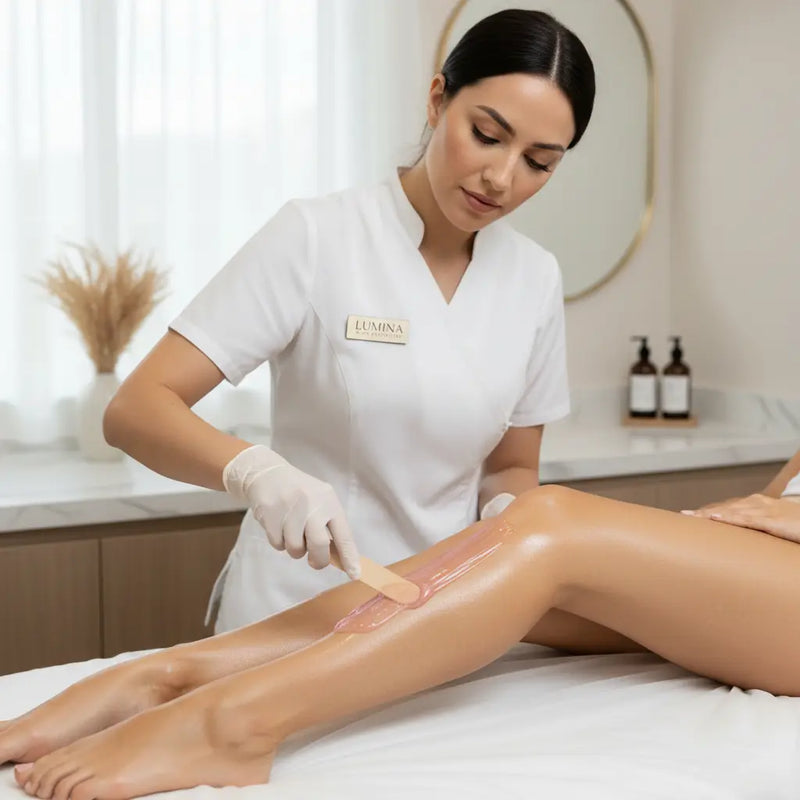
- If you've been waxed, keep the area simple. Waxing and exfoliation too close together can lead to avoidable irritation.
- If you've had a peel or microdermabrasion-style treatment, let the skin settle first. Home exfoliation shouldn't compete with professional resurfacing.
- If you're booking facials regularly, coordinate your home routine. Your treatment plan and your bathroom shelf should support each other, not double up.
Clients who get regular treatments often do best with a simpler home rhythm between appointments. If you're unsure how often your overall skincare should be spaced, this guide on how often to get a facial helps put at-home exfoliation into a bigger routine.
The common mistake is stacking too much in the name of progress. A peel, a scrub, retinoids, and hair removal in the same short window can leave even resilient skin looking angry.
Exfoliating in Southwest Florida A Climate-Adaptive Guide
Generic skincare advice falls apart fast in Southwest Florida. A routine that feels fine in a cooler, lower-UV environment can be too much here. Sun exposure is higher, outdoor time is common, and humidity changes how skin feels without making it immune to irritation.
A major gap in consumer advice is timing exfoliation around real-world heat and sun stress. Many sources say to use sunscreen, but they don't offer much guidance for avoiding exfoliation when the barrier is already strained by UV and humidity, a concern highlighted in this South Florida dermatology discussion of when to exfoliate.
To make this practical, start with the everyday situations people here deal with.

Beach days pool days and outdoor weekends
If you're spending the next day outside, keep exfoliation conservative the night before. I usually tell clients to think in terms of barrier stress, not calendar rules.
Skip exfoliation when any of these apply:
- You're heading to the beach the next day. Salt, wind, reflected sun, and reapplying sunscreen all add friction.
- You already got too much sun. Skin that feels hot, pink, tight, or tender needs recovery, not resurfacing.
- You shaved or waxed recently. Hair removal plus exfoliation can tip skin into irritation quickly.
- You've spent hours in a chlorinated pool. Chlorine and prolonged sun exposure can leave skin more reactive than it looks.
Then there's the opposite scenario. If you've had a long outdoor day, resist the urge to “deep clean” your face that night with scrub gloves, acids, and masks. Gentle cleansing, hydration, and a bland moisturizer are usually the better move.
Here's a useful visual if you want a quick refresher on exfoliation basics and post-exfoliation care in warm weather.
What humidity changes and what it does not
Humidity confuses people because skin may feel oilier, stickier, or more congested. That can make exfoliation seem like the answer to every problem. It isn't.
Humidity can increase surface oil and sweat, but it doesn't automatically mean your barrier is strong. In Florida, I often see skin that is both congested and dehydrated at the same time. People scrub because the skin feels slick, then they end up with more reactivity and rebound irritation.
A better interpretation is this:
- Humidity may increase buildup. Sweat, sunscreen, and oil can leave skin feeling coated.
- Heat can raise sensitivity. Flushed skin doesn't always need an acid that night.
- Sun exposure changes tolerance. A routine that worked indoors all week may not fit a weekend outside.
- Less can work better. You may need a gentler exfoliant, not a stronger one.
If you're building a full Florida-friendly routine around this, the guidance on skincare for humid climates year-round pairs well with an exfoliation plan because it addresses cleansing, hydration, and barrier support alongside climate stress.
A workable Florida rhythm
In Southwest Florida, exfoliation works best when it stays flexible. The clients who do well tend to follow a few habits instead of chasing an aggressive schedule.
Local rule of thumb: Don't exfoliate on autopilot. Check what your skin has been through in the last day or two.
A Florida-adapted rhythm usually looks like this:
- Choose nighttime by default. It gives your skin a better recovery window.
- Use the gentlest method that gives a result. If a mild formula works, there's no prize for moving stronger.
- Reduce frequency during high-exposure stretches. More beach time and more outdoor weekends often call for less exfoliation, not more.
- Follow with hydration. A calming moisturizer after exfoliation supports comfort and barrier recovery.
- Be willing to skip a session. Smart skincare includes knowing when not to do something.
For some people, a single in-studio option can make sense. A treatment like the Express Hydration facial and polish treatment at Lumina Skin Sanctuary combines light resurfacing with hydration support, which can be easier for some clients than experimenting with multiple at-home exfoliants. It's one option, not a requirement.
Reading the Signs When to Pause and How to Soothe Irritation
The most important skill isn't choosing the perfect exfoliant. It's recognizing when your skin has had enough.
Major medical guidance advises starting exfoliation at 1 to 2 times per week and, generally, staying in the 1 to 3 times-per-week range because skin needs time to repair itself, as outlined in GoodRx's summary of safe exfoliation frequency. The built-in safeguard is simple. If irritation shows up, reduce frequency or stop until the barrier settles.
What over-exfoliation looks and feels like
Some signs are obvious. Others are easy to miss because people mistake them for “purging” or assume the skin is just adjusting.

Watch for patterns like these:
- Redness that hangs around: not a brief flush, but skin that stays pink or looks inflamed.
- Stinging from basic products: moisturizer or cleanser suddenly burns when it never used to.
- A tight, shiny surface: skin may look slick or overly polished but feel uncomfortable.
- Tender breakouts or rough patches: irritation can mimic acne or show up as texture.
- Itchiness or heat: skin feels restless instead of calm.
One clue matters more than any single symptom. If your skin is getting more reactive as your routine gets more “active,” the routine is probably the issue.
Skin that's asking for help rarely needs another exfoliating step.
A simple reset plan
When irritation shows up, simplify fast. Don't try to balance it out with another mask, another acid, or a stronger cleanse.
A reset plan looks like this:
- Stop exfoliating temporarily. That includes scrubs, acid pads, peeling masks, and rough cleansing tools.
- Pause other strong actives if needed. If your routine includes multiple stimulating products, give skin a quieter stretch.
- Use a gentle cleanser. No harsh foaming, no extra friction, no hot water.
- Focus on hydration and barrier support. Look for calming textures and ingredients your skin already tolerates well.
- Return slowly. Once your skin feels normal again, reintroduce exfoliation cautiously, not at full speed.
For many people, the recovery products that help most are the boring ones. A bland cleanser, a comfortable moisturizer, and supportive ingredients like ceramides, centella asiatica, or hyaluronic acid often do more than a crowded routine. If redness is part of the pattern, this guide on soothing skincare to calm redness without clogging pores can help you keep the reset simple.
The best exfoliation routine is the one your skin can recover from consistently. That's what creates smoother texture over time.
If you're still unsure when to exfoliate skin, or your current routine keeps tipping into redness, Lumina Skin Sanctuary offers climate-aware guidance for Southwest Florida skin. Whether you're dealing with congestion, sun damage, sensitivity, or post-summer roughness, a personalized plan can help you exfoliate less reactively and with better timing.
Produced via Outrank


