


Dry skin rarely feels like just a cosmetic issue. It can make your face feel tight after cleansing, leave makeup sitting unevenly on the surface, and turn a simple routine into a cycle of irritation. If you are trying to figure out how to hydrate dry skin, the goal is not to pile on the richest products you can find. It is to help your skin hold water more effectively while protecting the barrier that keeps moisture from escaping.
That distinction matters because dry skin and dehydrated skin are related, but they are not exactly the same. Dry skin is a skin type that produces less oil, while dehydration refers to a lack of water in the skin. Many people have both at once, which is why skin can feel rough, flaky, dull, and sensitive all at the same time.
How to hydrate dry skin without overwhelming it
The most effective approach is usually the simplest one. Skin that is already dry tends to react poorly to routines that are too aggressive, too active, or too inconsistent. A calmer routine with the right texture balance often does more than a shelf full of products used without a plan.
Start by thinking in layers. Hydration comes from ingredients that draw water into the skin, while nourishment and barrier support come from ingredients that help seal that moisture in. If you only use a lightweight hydrating product, your skin may feel good for an hour and then tight again by midday. If you only use heavy creams without enough water-binding ingredients underneath, skin can still feel dull and thirsty.
That is why a good dry skin routine usually includes three things: a gentle cleanse, a hydrating step, and a moisturizer that supports the skin barrier. From there, you can adjust based on season, climate, sensitivity, and how your skin behaves day to day.
Cleanse in a way that preserves moisture
One of the fastest ways to make dry skin worse is over-cleansing. If your face feels squeaky, stretched, or overly clean after washing, that is not a sign that the cleanser is working better. It is often a sign that your barrier is being stripped.
Look for a gentle cleanser with a cream, milk, or soft gel texture. These formulas tend to remove sunscreen, makeup, and daily buildup without pulling too much natural moisture from the skin. Hot water can also work against you, so lukewarm water is the better choice.
If your skin is very dry, you may not need a full cleanser in the morning at all. A rinse with water or a very gentle cleanse can be enough, especially if your nighttime products are barrier-supportive and your skin is not oily. At night, cleansing matters more because you are removing the day’s buildup and preparing skin to absorb moisture well.
Use water-binding ingredients first
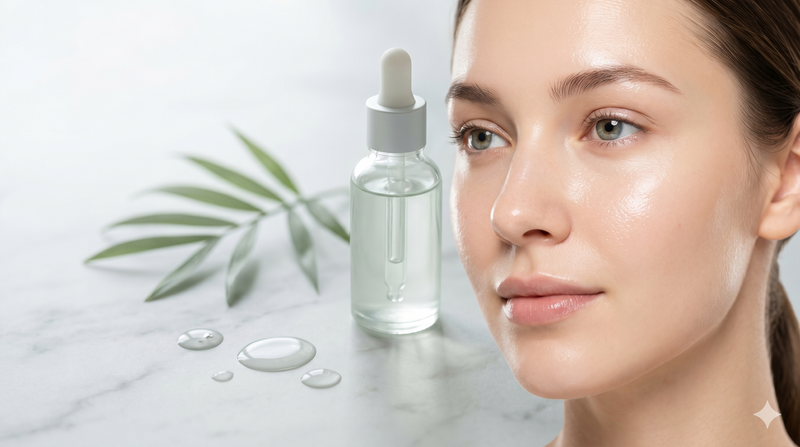
When people ask how to hydrate dry skin, this is often the missing step. Hydration starts with ingredients that attract and hold water in the upper layers of the skin. These are often found in hydrating serums, essences, or lightweight lotions.
Hyaluronic acid is the ingredient most people recognize, and it can be very helpful, especially when applied to slightly damp skin. Glycerin is another excellent option and is often even more dependable in simple, gentle formulas. Aloe vera, panthenol, polyglutamic acid, and certain forms of beta glucan can also help skin feel more comfortable and plump.
Texture matters here. If your serum feels sticky but disappears under moisturizer, that is often a good sign. If it pills, feels harsh, or stings repeatedly, the formula may not be the right fit for your skin.
Apply this step soon after cleansing, while skin is still lightly damp. That little bit of surface moisture gives humectant ingredients something to hold onto.
Seal hydration in with the right moisturizer
A moisturizer does more than make skin feel soft. For dry skin, it helps reduce transepidermal water loss, which is simply the process of moisture evaporating from the skin. The right moisturizer can make your hydrating serum work better and longer.
Barrier-friendly ingredients are especially useful here. Ceramides help support the skin’s natural protective structure. Squalane offers lightweight nourishment without feeling overly greasy on many skin types. Fatty acids and cholesterol also play an important role in helping a compromised barrier recover.
If your skin is mildly dry, a cream moisturizer may be enough. If your skin is very dry, reactive, or flaky, you may need a richer balm or occlusive layer at night. Petrolatum, shea butter, and thicker ointment-style products can be extremely effective in locking hydration in, especially when used as the final step in your evening routine.
The trade-off is feel. Richer formulas can be too heavy for some people during the day or under makeup, especially in warm Florida weather. That is where a lighter daytime cream and a more protective nighttime moisturizer can work beautifully together.
Exfoliate less often than you think
Dry skin often looks like it needs exfoliation because flakes are visible on the surface. Sometimes it does. But many people make dryness worse by trying to scrub it away.
Physical scrubs can create tiny abrasions and increase irritation, especially if your barrier is already compromised. Strong acids used too often can have a similar effect. The result is skin that looks smoother for a day and then feels tighter, redder, and more reactive afterward.
If you want to exfoliate, keep it gentle and infrequent. A mild lactic acid formula or a very low-strength exfoliant once a week may be enough. For some people, especially those with sensitive dry skin, focusing on hydration and barrier repair first works better than any exfoliating product.
When flakes soften and release naturally because the skin is well hydrated, the complexion usually looks better than it does after aggressive exfoliation.
Daily habits that help dry skin stay hydrated
Skincare matters, but so do the quiet habits around it. Indoor air, long hot showers, harsh weather, and inconsistent routines all affect how your skin behaves.
Try applying body and face moisturizer within a few minutes of washing, when skin is still slightly damp. Keep showers warm rather than hot. If your home air feels dry, a humidifier can help during seasons when indoor heating pulls moisture from the air. And if you spend a lot of time in the sun, wear sunscreen daily. Sun exposure can weaken the skin barrier over time and make dryness more difficult to manage.
Lip care also tends to get overlooked. Dry lips often need the same approach as dry skin: gentle treatment, water-friendly hydration underneath, and a protective layer on top.
When your dry skin routine is not working
Sometimes the issue is not that you are doing too little. It is that one product in the routine is quietly causing the problem.
Common troublemakers include overuse of retinoids, acne treatments with benzoyl peroxide or salicylic acid, foaming cleansers that strip the skin, and fragranced products that feel pleasant at first but irritate over time. Even using too many good products at once can create imbalance.
If your skin burns when you apply basic moisturizer, stays persistently red, or develops cracked areas that do not improve, scale the routine back. A simple reset with a gentle cleanser, hydrating serum, rich moisturizer, and sunscreen is often the best place to start.
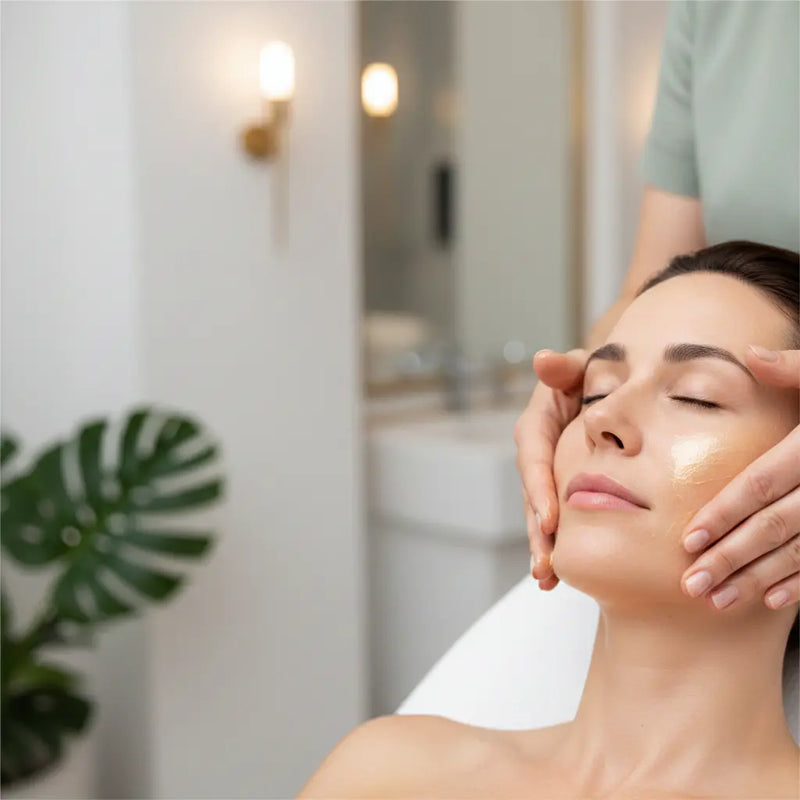
If dryness is severe or keeps returning no matter what you use, professional guidance can make a real difference. A personalized facial or skin consultation can help identify whether you are dealing with true dryness, dehydration, sensitivity, over-exfoliation, or a barrier that needs focused repair.
How to hydrate dry skin through the seasons
Your skin’s needs may shift more than you expect. In humid months, dry skin may do well with lighter hydrating layers and a medium-weight cream. In cooler or windier seasons, it often needs a richer moisturizer and fewer active ingredients.
Travel, air conditioning, hormonal changes, and stress can also change how dry your skin feels. That is why a good routine should be flexible, not rigid. The best results often come from paying attention to how your skin feels rather than forcing the same formula year-round.
Healthy, hydrated skin usually does not come from one miracle product. It comes from gentle consistency, thoughtful layering, and knowing when your skin needs less activity and more support. When you treat dryness with patience instead of pressure, comfort tends to follow - and so does that soft, balanced glow people are usually after in the first place.


