


TL;DR:
- Clean skincare uses safe, transparent ingredients supported by clinical evidence to strengthen skin and reduce irritation.
- While effective, they often work best when paired with targeted synthetic actives like retinoids for anti-aging results.
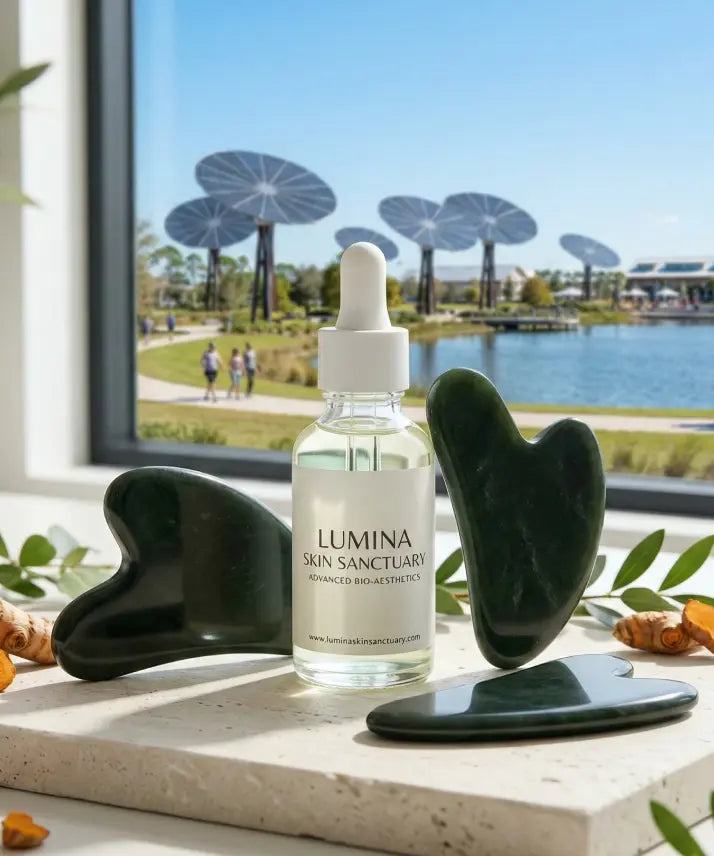
Clean ingredients in skincare are formulations designed to support skin health through safe, transparent, and clinically validated components that nourish, protect, and repair the skin barrier. Understanding how clean ingredients benefit skin goes beyond reading labels. The science behind these formulations, from niacinamide to ceramides, shows measurable results in barrier strength, hydration, and reduced irritation. At Lumina Skin Sanctuary in Fort Myers, Florida, clean ingredient standards guide every treatment and product recommendation, giving clients a clear path to healthier skin backed by current dermatological research.
How do clean ingredients benefit skin health?
Clean skincare ingredients are defined as components that are biocompatible, free from unnecessary harmful chemicals, and supported by clinical evidence. They work by reinforcing the skin barrier, reducing inflammation, and delivering nutrients the skin can actually use. The result is skin that stays hydrated, resists irritation, and recovers faster from environmental stress.

Biomonitoring research confirms that switching to clean personal care products can reduce the body’s toxic chemical burden within days. In a five-day trial, urinary methylparaben dropped by 30%, BPA by 39%, and phenoxyacetic acid by 64%. Those numbers show that what you put on your skin enters your body, and cleaner formulations reduce that systemic load quickly.
Modern clean beauty uses scientific research to combine biocompatible, barrier-supportive ingredients with clinical efficacy. This approach moves beyond simple ingredient bans and focuses on what actually helps skin function well over time. For people in Fort Myers dealing with sun exposure and humidity-related breakouts, that focus on barrier health and inflammation control is especially relevant.
What are the most effective clean ingredients for skin?
Several clean ingredients have strong clinical records. Each one serves a specific function, and understanding those functions helps you build a routine that delivers real results.
Key ingredients and what they do
- Niacinamide (5%): Decreases hyperpigmentation and strengthens the skin barrier within four weeks of consistent use. It also reduces redness and supports sebum regulation, making it useful for both oily and sensitive skin types.
- L-ascorbic acid with vitamin E and ferulic acid: A combination of 15% L-ascorbic acid, 1% vitamin E, and 0.5% ferulic acid provides up to 8 times the natural photoprotection of untreated skin. This trio also stimulates collagen production and neutralizes free radical damage.
- Hyaluronic acid and glycerin: These humectants pull moisture into the skin from the environment and deeper skin layers. Hyaluronic acid, glycerin, squalane, and ceramides together restore hydration and reinforce the skin barrier effectively.
- Ceramides: Lipid molecules that form the structural foundation of the skin barrier. Depleted ceramide levels lead to dryness, sensitivity, and increased permeability to irritants.
- Shea butter, sunflower seed oil, and cocoa butter: Natural occlusives that seal moisture into the skin and prevent transepidermal water loss. These plant-based ingredients also carry fatty acids that support barrier repair.
Pro Tip: Ingredient concentration matters as much as ingredient choice. Niacinamide at 2% delivers mild benefits; at 5%, it produces clinically measurable barrier and pigmentation improvements. Always check the concentration, not just the ingredient list.
Pairing ingredients for synergy amplifies results. Vitamin C works better with vitamin E because vitamin E regenerates oxidized vitamin C, extending its antioxidant activity. Ceramides combined with hyaluronic acid address both moisture retention and barrier structure at the same time.
How do clean ingredients compare to synthetic actives in safety and results?
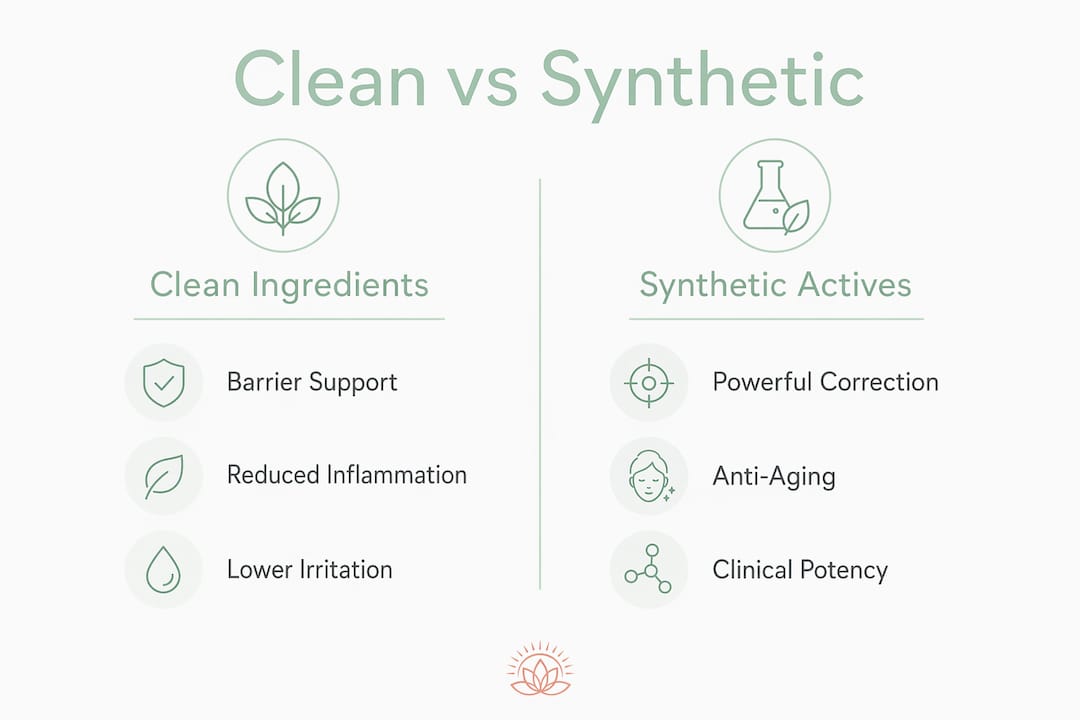
The comparison between clean and synthetic ingredients is not a simple win for either side. Each category has strengths, and the best routines often use both.
Clean formulations prioritize barrier support and reduce inflammation rather than aggressively correcting skin concerns. This approach prevents barrier degradation and irritation, leading to longer-lasting skin health. Synthetic actives like retinoids, on the other hand, increase cell turnover and collagen production with decades of clinical trial data behind them.
Retinoids remain the most reliable synthetic anti-aging ingredient, outperforming clean alternatives like bakuchiol in speed and depth of collagen stimulation. Bakuchiol shows real effects, but at lower potency. For people who want anti-aging results on a faster timeline, retinoids still lead the category. For those with sensitive or reactive skin, a clean barrier-first approach may be the better starting point.
| Category | Key Benefit | Primary Risk | Best Use |
|---|---|---|---|
| Clean natural actives | Barrier support, low irritation | Potential botanical allergenicity | Daily maintenance, sensitive skin |
| Synthetic actives (retinoids) | Collagen stimulation, cell turnover | Dryness, initial irritation | Targeted anti-aging treatment |
| Mineral sunscreens | Physical UV block, clean label | Lower UVA protection in some formulas | Daytime protection, sensitive skin |
| Chemical sunscreens | Broader UVA/UVB coverage | Potential hormone disruption concerns | High UV exposure environments |
Pro Tip: Combine clean barrier-supporting products with targeted synthetic actives for the best outcome. Use a ceramide-rich moisturizer alongside a low-dose retinoid to reduce dryness and irritation while still getting the collagen benefits.
Plant-based ingredients also carry their own risks. Botanical extracts and essential oils frequently cause contact dermatitis. Clinical tolerability and barrier support outweigh natural versus synthetic origin when it comes to actual skin health outcomes. The label “clean” does not automatically mean safe for every skin type.
What practical results can you expect from a clean skincare routine?
Visible improvements from clean ingredients follow a predictable timeline. Most people notice reduced redness and better hydration within two to four weeks of consistent use. Brighter skin tone and fewer breakouts typically appear within six to eight weeks. Longer-term barrier repair and hyperpigmentation reduction take three to six months of daily use.
Clinical tolerability and barrier support are the defining factors in long-term skin health, regardless of whether an ingredient is natural or synthetic. Clean formulations tend to produce fewer flare-ups, making them especially suitable for sensitive, reactive, or hormonally influenced skin. People managing rosacea, eczema, or acne-prone skin often find that clean ingredient routines reduce baseline inflammation without the adjustment period that stronger synthetic actives require.
Choosing quality clean products means reading past marketing claims. Look for these markers when selecting clean skincare:
- Ingredient transparency: full INCI (International Nomenclature of Cosmetic Ingredients) list available
- Clinically tested formulations with published or referenced study data
- Fragrance-free or clearly labeled fragrance sources
- Concentration disclosure for active ingredients like niacinamide or vitamin C
- No greenwashing language without supporting evidence
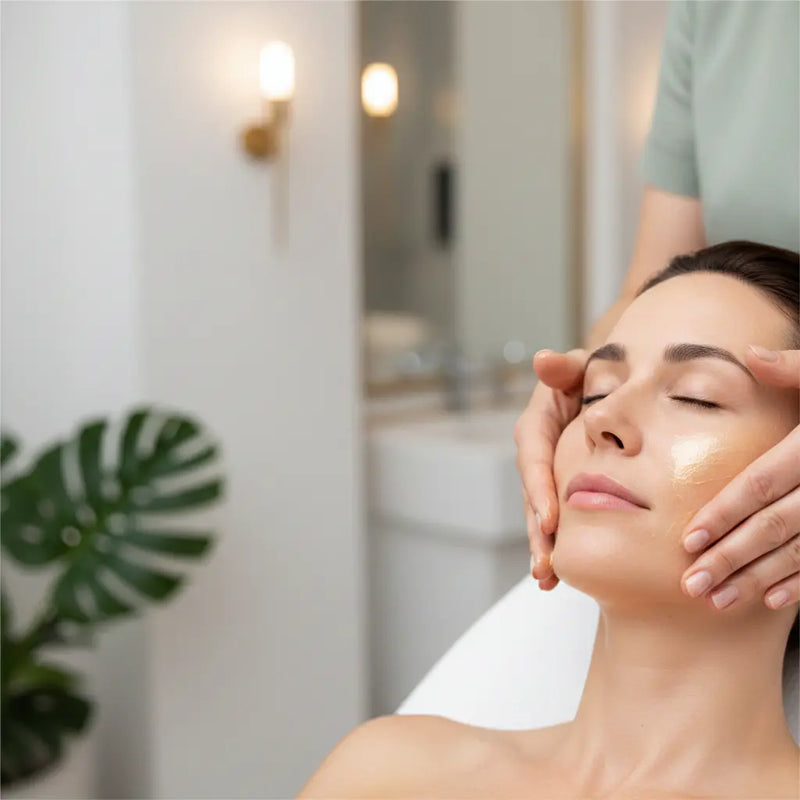
Building a clean skincare capsule routine does not require a long product list. A cleanser, a targeted active, a moisturizer with ceramides, and a mineral sunscreen cover the core functions. Adding a professional facial periodically accelerates results by addressing concerns that topical products alone cannot reach.
For teens and younger skin, clean ingredients are particularly well-suited. The lower irritation profile reduces the risk of over-stripping the skin, which is a common problem with harsh acne treatments. A parent’s guide to clean skincare for teens covers ingredient safety in more detail for that age group.
What are the most common misconceptions about clean skincare?
The biggest misconception in clean beauty is that “natural” automatically means “safer.” Natural fragrance is a common cause of skin sensitization, carrying similar allergenic risk as synthetic fragrance. Lavender oil, citrus extracts, and ylang-ylang are all natural and all documented irritants for sensitive skin types.
Greenwashing is a related problem. Brands use terms like “clean,” “green,” and “non-toxic” without regulatory definition or third-party verification. The U.S. Food and Drug Administration does not define “clean” for cosmetics, which means any brand can use the term freely. Consumers who rely on marketing language alone may end up with products that underperform or irritate.
Pro Tip: Prioritize clinical tolerability and ingredient synergy over marketing terms. A product labeled “100% natural” with no concentration data or clinical testing is less reliable than a formulation with disclosed actives and published tolerability results.
Common pitfalls to avoid in clean skincare:
- Assuming all essential oils are skin-safe because they are plant-derived
- Choosing products based on “free from” claims without checking what is actually in the formula
- Expecting clean formulations to match the speed of prescription-strength actives
- Ignoring mineral sunscreen UVA coverage gaps in high-sun environments like Fort Myers
Key Takeaways
Clean ingredients benefit skin most when chosen for clinical tolerability, barrier support, and transparent formulation rather than marketing labels alone.
| Point | Details |
|---|---|
| Barrier support is the core benefit | Clean ingredients like ceramides and niacinamide reinforce the skin barrier and reduce inflammation consistently. |
| Biomonitoring confirms reduced chemical load | Switching to clean products drops urinary toxin markers within five days, showing measurable systemic impact. |
| Natural does not mean universally safe | Botanical extracts and essential oils cause contact dermatitis; clinical tolerability matters more than ingredient origin. |
| Combine clean and synthetic for best results | Pairing clean moisturizers with targeted actives like retinoids delivers both barrier health and anti-aging performance. |
| Concentration and transparency matter | Active ingredient concentration and full INCI disclosure are the most reliable quality indicators in clean skincare. |
Why performance should guide your clean skincare choices
I have seen a lot of clients arrive at Lumina Skin Sanctuary convinced that the cleanest product is always the best product. That belief leads to real frustration when a fragrant botanical serum triggers a breakout or a mineral sunscreen leaves skin unprotected in the Fort Myers sun.
The honest position is this: clean ingredients work best when they are selected for what they do, not just what they avoid. Niacinamide at 5%, a well-formulated ceramide moisturizer, and a vitamin C serum with ferulic acid are clean, clinically supported, and genuinely effective. Those three products alone can produce visible skin improvements within weeks.
Where I see people go wrong is in treating clean beauty as a belief system rather than a practical framework. The goal is skin that functions well, resists irritation, and ages at a healthy pace. Sometimes that means using a retinoid alongside your clean moisturizer. Sometimes it means skipping the botanical-heavy toner that smells wonderful but inflames your skin every time. Consistent professional facials also make a measurable difference, especially for people managing sun damage or chronic congestion.
Focus on performance. Read ingredient lists. Ask for clinical data. The label is a starting point, not the finish line.
— Kira Tia
Clean ingredient treatments at Lumina Skin Sanctuary
Lumina Skin Sanctuary in Fort Myers, Florida, builds every treatment around clean, clinically supported ingredients matched to each client’s skin needs.
The Youth-Restore Sculpting and Firming Series targets collagen support and skin firmness using formulations that prioritize barrier integrity alongside visible anti-aging results. For clients dealing with congestion and enlarged pores, the Deep Purifying Pore Control Facial uses clean, nurturing ingredients to clear the skin without stripping its protective layer. Every client begins with a personalized consultation to identify specific concerns and build a routine that delivers results in Fort Myers’ demanding climate.
FAQ
What does “clean ingredients” mean in skincare?
Clean ingredients are skincare components that are biocompatible, free from unnecessary harmful chemicals, and backed by clinical evidence. The term has no regulatory definition in the U.S., so transparency and third-party testing are the most reliable quality indicators.
How quickly do clean ingredients show results?
Most people see reduced redness and improved hydration within two to four weeks. Brighter skin tone and fewer breakouts typically appear within six to eight weeks of consistent use.
Are natural ingredients always safer than synthetic ones?
Natural ingredients are not automatically safer. Natural fragrances and botanical extracts cause contact dermatitis at rates similar to synthetic fragrance. Clinical tolerability is a more reliable measure of safety than ingredient origin.
Can clean skincare replace synthetic actives like retinoids?
Clean alternatives like bakuchiol show real benefits but at lower potency than retinoids. Combining clean barrier-supporting products with targeted synthetic actives delivers the best results for most skin types.
What clean ingredients do dermatologists recommend most?
Dermatologists consistently recommend niacinamide, ceramides, hyaluronic acid, glycerin, squalane, and vitamin C formulations. These ingredients have strong clinical records for barrier support, hydration, and antioxidant protection.


