


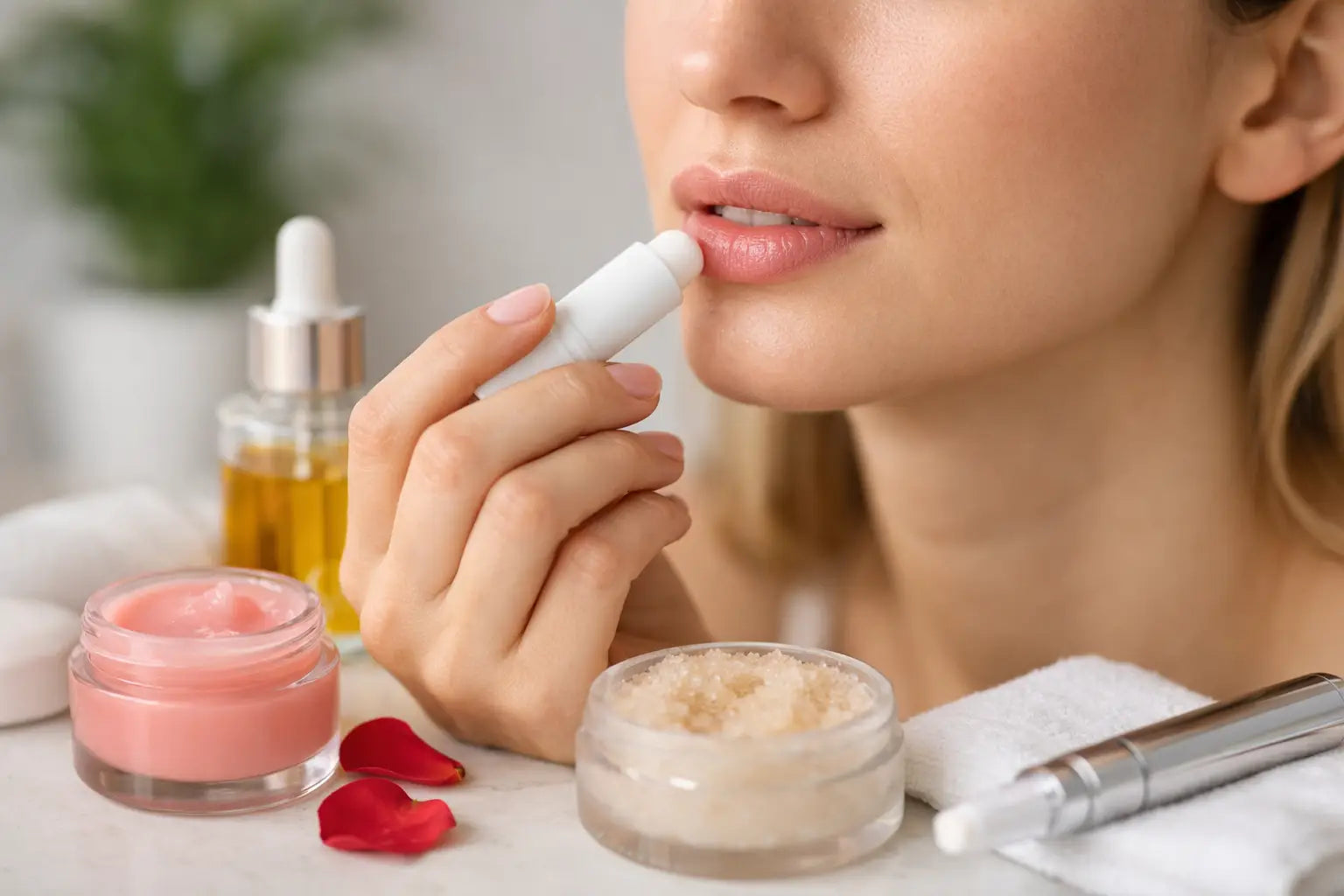
Dry, tight lips can make everything feel a little more uncomfortable - lipstick catches, smiling can sting, and even water seems to make the dryness more obvious. The best lip care for dryness is not usually the product with the strongest tingle or the most dramatic claims. It is the routine that protects the lip barrier, keeps moisture from escaping, and avoids the ingredients that quietly make chapping worse.
Lips are different from the rest of your skin. They have a thinner barrier, very little natural oil production, and constant exposure to sun, wind, dry air, and friction from eating, drinking, and talking. That is why lip dryness often lingers even when the rest of your skincare routine is working beautifully. Once you treat lips as a delicate barrier issue rather than a quick cosmetic fix, the path gets much simpler.
What the best lip care for dryness really does
The most effective lip care has two jobs. First, it brings comfort back to the surface with ingredients that soften rough, flaky skin. Second, and even more important, it helps seal in moisture so the lips can recover instead of drying out again an hour later.
That means texture matters. A lightweight glossy balm may feel pleasant at first, but if it evaporates quickly or lacks protective ingredients, it may not last. A richer balm or ointment often does a better job when lips are actively chapped. If your lips feel cracked, sting when you apply products, or peel every morning, you are usually better off with something simple and cushiony rather than shiny and scented.
This is also where expectations matter. If the cause is weather, dehydration, or overuse of irritating products, a good lip routine can help quickly. If dryness is tied to sunburn, mouth breathing, prescription acne treatments, illness, or irritation around the mouth, improvement may take longer and require a few routine changes.
Why lips stay dry even when you keep applying balm
Many people feel like they are constantly reapplying lip balm but never getting ahead of the dryness. That usually happens for one of three reasons.
The first is irritation. Fragrance, strong flavoring, menthol, camphor, cinnamon, peppermint, and certain plumping ingredients can make lips feel active or refreshed, but they often create more dryness over time, especially if your barrier is already compromised.
The second is inadequate protection. Humectants like hyaluronic acid and glycerin can help attract water, but lips also need occlusive support to hold that moisture in. Without that seal, hydration disappears quickly, especially in air conditioning, dry heat, or windy weather.
The third is repeated lip licking or product switching. Saliva evaporates fast and leaves lips drier than before. Constantly trying new balms can also keep introducing irritants before the lips have time to calm down.
Ingredients to look for in lip care
When choosing the best lip care for dryness, simple formulas tend to work best. A short ingredient list is not always mandatory, but it is often helpful when lips are sensitive.
Look for nourishing emollients such as shea butter, squalane, jojoba oil, or castor seed oil. These help soften rough texture and improve comfort. Then look for occlusive ingredients like petrolatum, lanolin, beeswax, or similar protective agents that help reduce water loss.
Ceramides can also be useful because they support barrier repair, especially when dryness is ongoing. Vitamin E can be comforting for some people, though not everyone tolerates it equally well. If your lips are very reactive, a bland formula is often the safest place to start.
Sun protection matters too. Lips are highly exposed, and sun damage can show up as dryness, tenderness, or chronic roughness. A lip product with SPF is worth using during the day, especially in sunny climates like Southwest Florida. The trade-off is that some SPF formulas can feel a bit heavier or taste less pleasant, so many people do best with one daytime lip product and a separate richer treatment at night.
Ingredients that may make dry lips worse
Not every popular lip product is helpful when lips are already compromised. Strong fragrance and flavor are common triggers. Mint, citrus, eucalyptus, menthol, and cinnamon often feel pleasant for a moment but can be disruptive to an already fragile lip barrier.
Exfoliating acids and scrubs can also be overused. If your lips have visible loose flakes, it is tempting to scrub them smooth. But aggressive exfoliation often leaves the surface more raw and more likely to crack. A soft washcloth used very gently after applying a rich overnight balm is usually safer than grainy scrubs or frequent peeling masks.
Some long-wear lip products are another issue. Matte liquid lipsticks and stains can be beautiful, but they can also pull moisture from the lips. You do not need to give them up forever. It just helps to wear them strategically and focus on repair in between.
A simple routine for dry lips
If your lips are dry, the goal is not to build a complicated routine. It is to remove friction and keep the barrier supported throughout the day.
In the morning, apply a gentle lip balm or ointment after washing your face. If you will be outside, choose a lip SPF and reapply as needed. Before lipstick, let your lip treatment settle in for a few minutes so color sits more evenly.
During the day, reapply whenever lips start to feel tight rather than waiting until they feel cracked. If you notice yourself licking your lips, that is a sign they need a better protective layer.
At night, apply a thicker layer of a plain, nourishing lip treatment before bed. This is often the step that makes the biggest difference because lips have a longer stretch of time to recover without constant eating, drinking, and talking.
If your lips are severely dry, keep the rest of your routine gentle too. Retinoids, exfoliating acids, and acne treatments around the mouth can migrate onto the lips and trigger peeling. A little extra care with application can prevent a cycle that feels never-ending.
Best lip care for dryness in different situations
The right lip care can depend on what is causing the dryness.
If your lips are dry from weather, travel, or indoor air, a rich balm with occlusive ingredients is usually enough. If they are dry from sun exposure, daytime SPF becomes essential. If they are irritated from active skincare, focus on a very plain healing balm and avoid applying strong products too close to the lip line.
If you wear lipstick often, prep matters. A smooth layer of hydrating balm underneath can help, but if your lipstick formula is especially matte, you may still need a recovery period later. If your lips are peeling regularly, choose comfort first and let decorative products take a short pause.
If you have chronic dryness at the corners of the mouth or repeated cracking that does not improve, it may be more than ordinary chapping. In that case, professional guidance is worth it. Sometimes the issue is irritation, and sometimes it is related to something else entirely.
When dry lips need more than balm
Most dry lips improve with a consistent, gentle routine. But if your lips stay inflamed, burn, crack deeply, or peel for weeks, it is time to take a closer look. Ongoing dryness can be connected to allergies, irritation from toothpaste, certain medications, dehydration, nutritional issues, or underlying skin conditions.
This is where a personalized approach matters. At Lumina Skin Sanctuary, we believe skin does better with calm, consistent care rather than harsh fixes, and lips are no exception. When a simple lip product is not enough, the next best step is often identifying what is interfering with healing.
How to choose a lip product you will actually use
The best product is not always the fanciest one. It is the one you reach for consistently because it feels comfortable, works under your lifestyle, and does not create new irritation.
If you want something for daily maintenance, a smooth balm with barrier-supportive ingredients may be perfect. If your lips are actively cracked, an ointment texture may work better. If you are outdoors often, prioritize SPF even if the finish is not as elegant as your nighttime treatment.
There is also nothing wrong with keeping it simple. One daytime balm and one nighttime treatment is enough for most people. Better lips usually come from consistency, not excess.
Soft, healthy lips are less about chasing instant relief and more about protecting a very delicate part of the skin with a little more intention. When your routine is gentle, steady, and matched to what your lips actually need, comfort tends to follow.


