


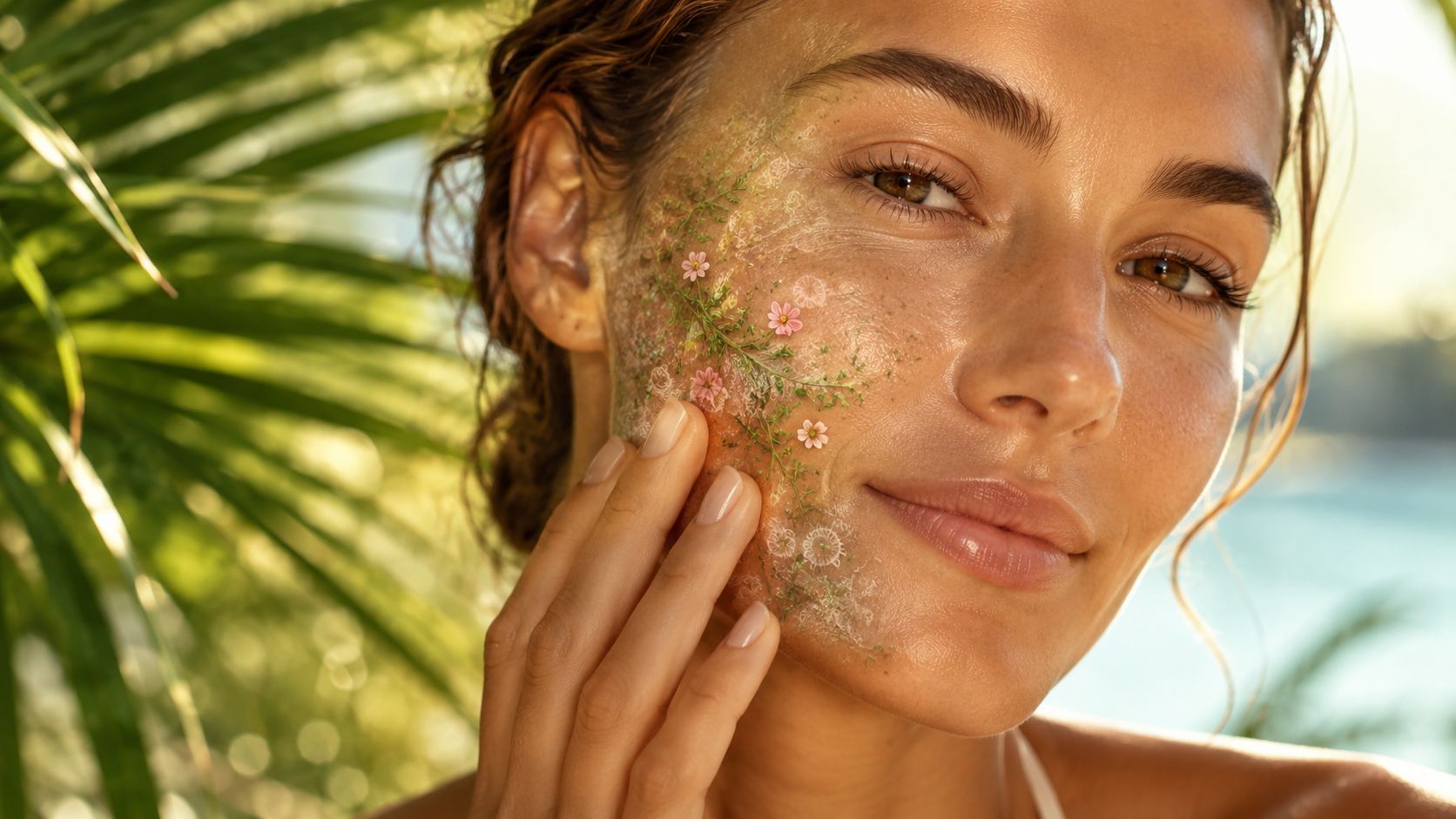
By midafternoon in Southwest Florida, your skin can feel like it's dealing with three different climates in one day. You step into heavy heat and bright sun, spend time in air conditioning that leaves your face tight, then look in the mirror at night and see shine on the surface but dehydration underneath. Maybe you've tried stronger cleansers, more exfoliation, or lighter products that still don't seem to calm the cycle of redness, breakouts, and sensitivity.
That's where microbiome skincare starts to make sense. Instead of treating skin like a surface that needs to be stripped and corrected, it treats skin like a living environment that needs support. If you've already been exploring natural ways for vibrant skin, this idea fits right in. Healthy skin usually responds best when we stop fighting it and start creating better conditions for it.
Table of Contents
- Thriving Skin in the Sunshine State
- Your Skin Microbiome An Ecosystem Explained
- The Three Ps of Microbiome Skincare
- Adapting Your Microbiome Routine for Southwest Florida
- Microbiome-Friendly Ingredients to Seek and Avoid
- Your Microbiome Partner Lumina Skin Sanctuarys Approach
- Frequently Asked Questions About Microbiome Skincare
Thriving Skin in the Sunshine State
A lot of Florida skin concerns look contradictory at first. Clients often say, “My skin is oily, but it feels dry,” or “I'm using acne products, but now I'm red all the time.” In Fort Myers, Punta Gorda, and nearby areas, that's not unusual. Heat increases sweat and surface oil, sun exposure stresses the barrier, and indoor cooling pulls moisture out of the skin.
That mix can push people into habits that make things worse. They wash too often, scrub to get rid of shine, skip moisturizer because the air already feels humid, then layer sunscreen over skin that's already irritated. The result isn't balance. It's a skin barrier that feels overworked.
Why resilience matters more than perfection
The goal for Florida skin usually shouldn't be matte, squeaky clean, or aggressively exfoliated. The goal is resilient skin. Skin that can handle UV exposure, humidity, salt air, sweat, and frequent cleansing without tipping into inflammation.
Your microbiome helps with that. Think of it as a protective community living on the surface of your skin. When that community is stable, skin tends to stay calmer, hold moisture better, and react less dramatically to everyday stress.
Healthy Florida skin usually isn't the skin that's cleaned the hardest. It's the skin that can recover the fastest.
A different way to read your skin
If your face gets shiny by noon, that doesn't automatically mean you need harsher products. If your cheeks flush after the beach, that doesn't always mean you need a stronger treatment. Sometimes your skin is telling you its ecosystem is stressed.
Microbiome skincare shifts the question from “How do I remove every problem?” to “How do I help skin function better in this climate?” That's a much more useful question in Southwest Florida, where the environment keeps testing your barrier every day.
Your Skin Microbiome An Ecosystem Explained
Step outside in Southwest Florida for ten minutes and your skin starts negotiating immediately. Heat brings sweat, UV raises inflammation risk, humidity traps oil and debris on the surface, and then indoor air conditioning pulls moisture back out. Your skin microbiome lives in the middle of that daily push and pull.

The term sounds scientific, but the idea is simple. Your skin microbiome is the community of bacteria, fungi, and other microorganisms living on the surface of your skin. They are not automatically a problem. Many of them help keep skin functioning the way it should.
How this ecosystem works
A helpful way to understand the microbiome is to picture a living environment with checks and balances. Your skin is the terrain. Oil, water content, pH, and temperature shape the conditions. The microorganisms that thrive there respond to those conditions the same way plants respond to soil, light, and water.
When that environment stays steady, skin usually behaves better. Beneficial microbes help support barrier function, influence pH, and make it harder for disruptive organisms to overgrow. That often shows up as skin that feels calmer, holds moisture more evenly, and rebounds faster after sun, sweat, and cleansing.
If you've ever wanted a clearer explanation of the ingredient language around this topic, it helps to learn about prebiotics and probiotics before shopping.
Why Florida skin gets thrown off faster
Southwest Florida creates conditions that can shift this ecosystem quickly. Sweat sits on the skin. Sunscreen gets reapplied. Salt air, pool water, frequent showering, and strong cleansers can strip away more than grime. Then air conditioning changes the environment again.
That matters because the microbiome does not live separately from your skin barrier. They affect each other. If the barrier gets irritated, the microbiome often becomes less stable. If the microbiome is disrupted, skin may feel more reactive, look redder, or break out more easily.
This is why two people can use the same “clean” routine and get different results here. In a cooler, drier climate, that routine may feel fine. In Florida, the same routine can turn into over-cleansing, too much exfoliation, and skin that feels oily and dehydrated at the same time.
Practical rule: If your routine leaves your skin tight, hot, shiny, and flaky all at once, your skin's ecosystem is under stress.
What support looks like in real life
Microbiome-friendly care usually means creating better conditions, not sterilizing the skin. Gentle cleansing, sensible exfoliation, barrier-supportive hydration, and less friction give helpful microbes a better chance to stay in balance.
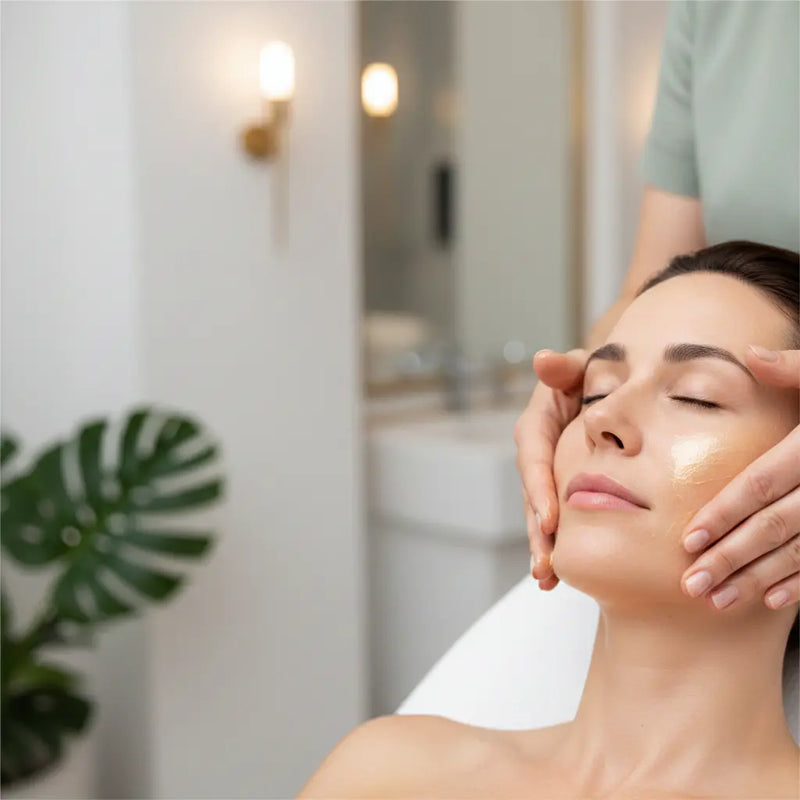
Professional treatment can fit that approach too. For example, Lumina Essential Radiance Treatment Facial Manual Facial ($95) includes double cleansing, fruit enzyme exfoliation instead of physical scrubbing, gentle extractions, massage, and a barrier-supportive finish. In practical terms, that kind of treatment can remove buildup common in Southwest Florida without adding the roughness that already-stressed skin does not need.
Here's a short visual overview if you want the concept explained another way.
The Three Ps of Microbiome Skincare
A microbiome product can do very different jobs, even when the packaging uses the same buzzword. The easiest way to sort it out is to learn the three Ps: prebiotics, probiotics, and postbiotics.

If your skin is a garden, these three categories support that garden in different ways. One helps the good plants grow. One adds helpful plant material. One supplies the protective compounds that keep the soil healthier. That distinction matters in Southwest Florida, where heat, sweat, sunscreen, and frequent cleansing can leave skin reactive even when it looks oily on the surface.
Prebiotics feed what is already helpful
Prebiotics work like fertilizer for the microbes you want to keep around. They do not place new bacteria onto the skin. They support the beneficial organisms already living there by making the environment friendlier for them.
That point clears up a common misunderstanding. Many Florida clients assume they need to add more and more active products when their skin feels off. Often, the skin needs steadier support instead. A prebiotic can be useful in a routine that feels stressed from repeated washing, salty air, or too much exfoliation.
Ingredients often discussed in this category include inulin and some oat-derived compounds. Colloidal oatmeal is a good practical example because it is already familiar to people with sensitive skin. As noted earlier in the article, some microbiome research has linked oat-based care with a calmer barrier and a healthier balance on the skin surface.
Probiotics add helpful microbial support
Probiotics work more like adding seeds or starter culture to a garden bed. In skincare, that can mean live microbes in some cases, but more often it means ferments, lysates, or other microbe-derived ingredients designed to support a healthier skin environment.
In this context, labels get confusing fast.
A serum may say "probiotic" even if it does not contain live bacteria in the way yogurt does. That does not automatically make the product misleading. It usually means the formula uses bacterial fragments or fermentation byproducts that may help calm visible irritation or support balance.
For skin in Southwest Florida, that distinction is useful. A heavy, complicated routine can backfire in hot weather. A lighter product with probiotic-derived ingredients may make more sense than layering multiple harsh treatment steps. If you want the climate piece explained in more detail, our guide to skincare for Florida humidity and climate-specific routine changes breaks that down.
Postbiotics deliver the benefits directly
Postbiotics are the helpful substances microbes produce. They include compounds that can help calm the look of inflammation, support the barrier, and reduce the dry-tight feeling that often shows up after over-cleansing.
If prebiotics help the garden grow and probiotics add useful plant material, postbiotics are closer to the finished compost and protective nutrients already ready to use. They do not need the same "setup" as live organisms. That is one reason formulators are paying close attention to them.
According to a review on microbiome-supportive skincare, products using prebiotics, probiotics, and postbiotics may help limit the overgrowth of bacteria linked with concerns like acne and eczema while also supporting the skin barrier and reducing inflammation.
How to use the Three Ps in real life
When you read a label, ask a simple question first. What is this product trying to do for my skin ecosystem?
- Prebiotic support: helps nourish the beneficial microbes already on your skin
- Probiotic support: adds microbial ingredients or ferments intended to support balance
- Postbiotic support: gives the skin helpful byproducts that soothe and reinforce the barrier
You do not need all three in every single product. You need a routine that makes sense for your skin and your climate. In Southwest Florida, that often means keeping the base routine simple, then choosing one microbiome-focused product that supports calmer, more resilient skin instead of piling on actives that leave the barrier overwhelmed.
Adapting Your Microbiome Routine for Southwest Florida
Florida changes the way a routine performs. A product that feels balanced in a dry climate can feel heavy here. A cleanser that seems refreshing in summer can, over time, leave skin irritated after repeated use. Your microbiome routine has to account for local conditions, not just skin type on paper.
Heat and humidity change how skin behaves
Humidity doesn't automatically mean your skin is hydrated. It often means your skin looks dewy while still dealing with congestion, sweat, and a stressed barrier. That's why many Southwest Florida residents get caught in a cycle of over-cleansing.
When you strip the skin to chase a cleaner feeling, your barrier can become less stable. Then skin reacts more easily to salt, sweat, and product layering. In acne-prone skin, that often shows up as inflamed breakouts that seem to keep returning.
Sun and air conditioning create a second problem
Sun exposure is constant here, and sunscreen is essential. At the same time, product layering matters. Recent research found that using both moisturizer and sunscreen was associated with a lower relative abundance of beneficial skin species compared with using moisturizer alone in this study on skincare routines and the skin microbiome.
That doesn't mean you should skip sunscreen. It means formula choice matters, especially in a bright, hot climate where skin gets repeated UV exposure. You want a sunscreen and moisturizer combination that protects the barrier without leaving skin overloaded, occluded, or chronically irritated.
Air conditioning adds another issue. You may feel less sweaty indoors, but your skin still loses comfort and flexibility when it moves from outdoor humidity into cold, dry air for hours at a time.
The Florida mistake is thinking shiny skin needs less support. Often it needs lighter support, not less support.
A Florida routine that makes practical sense
A microbiome-aware routine for Southwest Florida should feel breathable and calming.
- Cleanse gently at night: Remove sunscreen, sweat, and buildup without using a harsh foaming wash twice in a row unless your skin needs it.
- Use a lightweight moisturizer: Look for formulas that support the barrier without leaving a heavy film in heat.
- Choose sunscreen carefully: If your skin becomes red, bumpy, or rough after daily SPF use, the issue may be the formula pairing, not the idea of sunscreen itself.
- Don't scrub after beach days: Sun-exposed skin usually needs recovery, not punishment.
- Adjust by season: Even in Florida, skin shifts between peak humidity, travel, sun exposure, and more indoor cooling.
For a broader local routine framework, Lumina's guide to skincare for Florida humidity and climate adaptation is useful because it looks at how products behave in this specific environment.
Microbiome-Friendly Ingredients to Seek and Avoid
Reading a label gets easier when you stop asking whether a product is trendy and start asking whether it creates a stable environment for skin.
What to look for on labels
Barrier support and microbiome support often overlap. If the skin surface is less irritated and better able to hold moisture, beneficial microbes have a better environment too.
Clinical work on the ingredient SYN-UP® showed that it increased protective Staphylococcus epidermidis while reducing bacteria linked to dryness and redness, according to DSM-Firmenich's summary of skin microbiome cosmetic ingredient findings. That's one reason targeted microbiome ingredients and classic barrier-supportive ingredients such as ceramides matter so much.
What to limit when skin is reactive
The goal isn't to fear every active ingredient. The goal is to notice when an ingredient category pushes your skin toward irritation, over-drying, or imbalance.
Here's a practical shopping guide.
| Microbiome Skincare Ingredient Guide | |
|---|---|
| Choose These (Nourish & Balance) | Limit These (Can Disrupt & Irritate) |
| Prebiotic ingredients such as inulin and certain oat extracts, which can help create a better environment for beneficial microbes | Harsh sulfates such as SLS when your skin already feels stripped or tight |
| Ceramides that help support the barrier and reduce that fragile, over-cleansed feeling | High amounts of denatured alcohol in leave-on products when skin is red or dehydrated |
| Squalane and gentle plant oils that support comfort without heavy rubbing or harsh removal | Aggressive physical scrubs that create friction and can disturb a sensitized surface |
| Ferments and postbiotic-style ingredients that focus on calming and barrier support | Overly aggressive antibacterial positioning in daily facial care, which can work against balance |
| pH-conscious cleansers that remove sweat and SPF without leaving the skin squeaky | Layering too many strong actives at once, especially after sun exposure |
If a product makes your skin feel “ultra clean” but also hot, tight, and shiny, it's probably not microbiome-friendly in practice.
If you're comparing moisturizers and repair products, Lumina's list of skin barrier support products can help narrow down what to prioritize.
Your Microbiome Partner Lumina Skin Sanctuarys Approach
Microbiome care isn't only about buying a serum that says “probiotic” on the box. It also depends on how you cleanse, exfoliate, extract, calm, and protect the skin over time. That's where professional judgment matters.
Why professional guidance matters
A client may think they have oily skin when the issue is dehydration plus barrier disruption. Another may think they need stronger acne care when their redness is coming from over-exfoliation and too many products layered under sunscreen. Those details change the routine completely.
A personalized consultation helps sort out what your skin is doing in Florida conditions. That matters more than trend language. Skin that deals with sun, heat, humidity, and indoor cooling often needs very specific adjustments in texture, frequency, and treatment intensity.
How Lumina approaches skin in a Florida climate
Lumina Skin Sanctuary works with that climate reality. The studio's approach includes a personalized skin consultation at each visit, climate-adaptive protocols, and the use of gentle chemical peels, LED facial therapy, microdermabrasion, and other modalities as appropriate to the skin condition.
That kind of setting can support microbiome goals when treatments are chosen carefully. Gentle cleansing removes SPF and congestion without pushing the skin into a stripped state. Controlled exfoliation can smooth texture without the friction of daily scrubs. LED support may help create a calmer environment for reactive skin, and barrier-focused finishing products matter even more in a high-UV region.
For people trying to simplify after years of overdoing skincare, Lumina's explanation of the Skin Sanctuary approach for home routines and treatments is a helpful reference point.
The right facial for microbiome health usually isn't the most aggressive one. It's the one that clears what needs clearing, then leaves the barrier able to function.
Frequently Asked Questions About Microbiome Skincare
Can I still use retinoids or vitamin C
Yes, but don't stack everything at once. If you're using a retinoid, strong exfoliant, vitamin C, acne treatment, and a new microbiome serum all in the same week, it becomes hard to tell what your skin is reacting to.
Use actives with intention. Keep the cleanser gentle, support the barrier, and give skin recovery nights. In Florida, that matters even more after sun exposure.
Does gut health affect skin
It can. The gut-skin axis is popular because there is a real connection, but people often hear about it in vague ways. According to ABC News coverage of microbiome skincare and the gut-skin connection, a healthy gut microbiome can improve skin health, and certain prebiotic or postbiotic ingredients, including some oat extracts, have been clinically shown to help mediate that connection in conditions such as eczema and rosacea.
That doesn't mean topical skincare doesn't matter. It means skin health is affected by both what you put on the skin and the conditions inside the body.
How long does it take to notice a difference
Usually, this is not an overnight category. Skin often needs time to settle down after over-cleansing, too many actives, or constant environmental stress.
Look first for signs of stability. Less stinging, less random redness, fewer tight-dry-oily swings, and a more comfortable feel after cleansing. Those early changes often matter more than chasing instant glow.
Do I need a fully probiotic routine
Not necessarily. Many people do well with a simpler routine built around a gentle cleanser, a barrier-supportive moisturizer, sunscreen they tolerate well, and one microbiome-supportive product instead of several.
Consistency beats complexity here.
If your skin feels confused by Florida's sun, heat, humidity, and constant product layering, a more supportive approach can make a real difference. Lumina Skin Sanctuary offers personalized facial treatments and climate-aware guidance designed for Southwest Florida skin, helping you build a routine that protects your barrier, supports calmness, and works in everyday life.


