


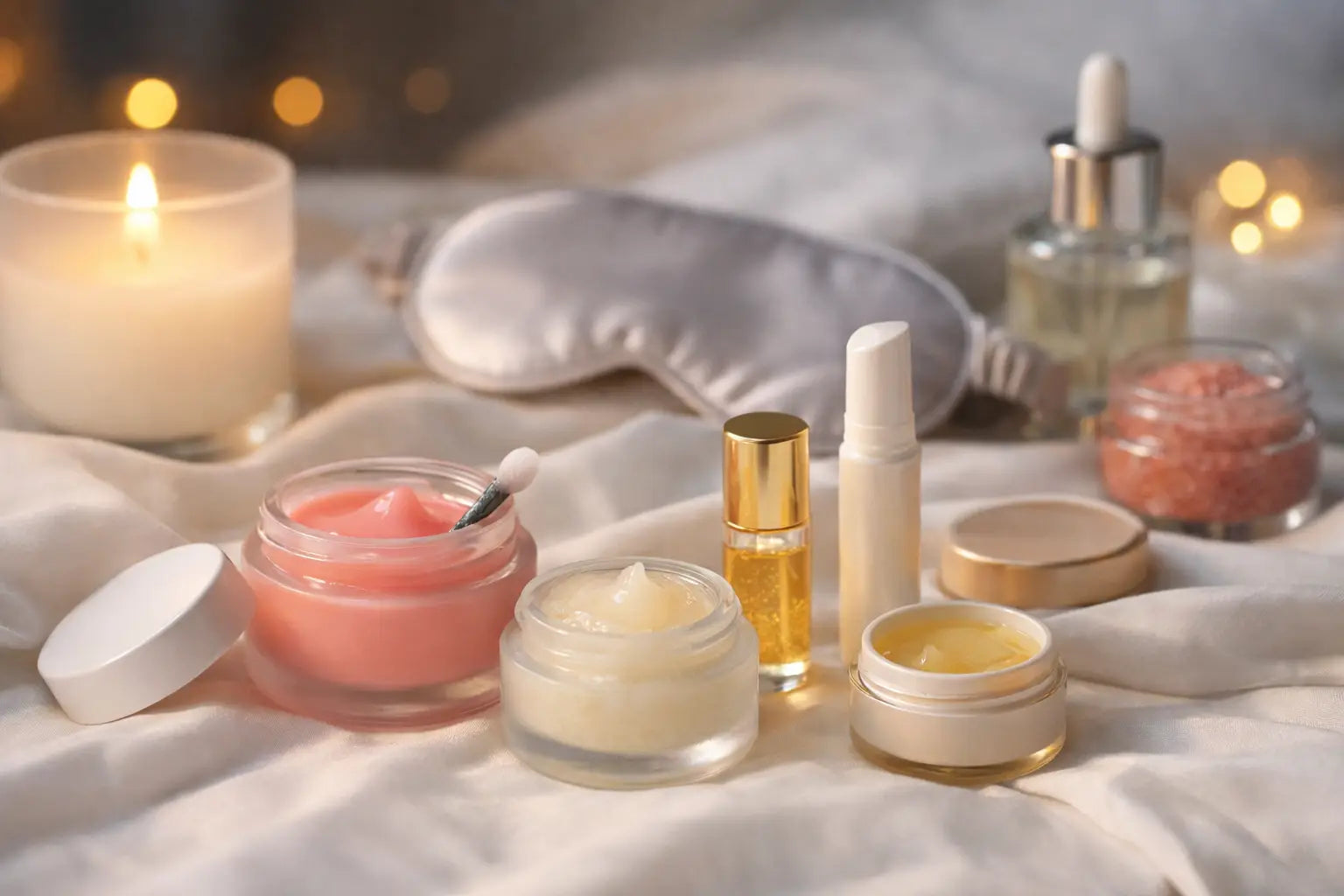
By bedtime, lips usually tell the truth. If they feel tight, look flaky, or sting when you apply balm, your daytime lip product probably is not doing enough. The best nighttime lip treatments are designed to stay put longer, soften rough texture, and support the delicate skin barrier while you sleep.
Unlike the rest of your face, your lips do not have oil glands to help maintain moisture on their own. That is why they can become dry so quickly from sun exposure, air conditioning, dehydration, retinoids, mouth breathing, or even a lipstick formula that looked beautiful at noon and felt awful by dinner. A good overnight treatment can make a visible difference by morning, but the right choice depends on what your lips actually need.
What makes the best nighttime lip treatments work?
Night formulas tend to be richer than standard lip balms, but thickness alone is not the goal. A treatment works best when it combines comfort with function. Some formulas focus on sealing in moisture with occlusive ingredients. Others add humectants to draw in hydration or emollients to smooth rough, cracked areas.
For most people, the sweet spot is a formula that does all three. Humectants such as hyaluronic acid or glycerin help attract water. Emollients like squalane, shea butter, or fatty oils soften the surface. Occlusives such as petrolatum, lanolin, or waxes help prevent that moisture from evaporating overnight. If a lip treatment has only lightweight oils, it may feel silky at first but disappear too quickly to help severely dry lips.
There is also a difference between dry lips and irritated lips. If your lips are peeling because they are dehydrated, a rich sleeping mask may help quickly. If they are burning, red, or cracked at the corners, you may need a simpler formula with fewer fragrance components and fewer active ingredients.
Best nighttime lip treatments by need
The best nighttime lip treatments are not always the most expensive or the trendiest. They are the ones that match your lips, your environment, and your tolerance for richer textures.
For very dry, cracked lips
Look for formulas with petrolatum, lanolin, ceramides, or shea butter. These ingredients create a more protective layer and are usually the most effective when lips feel painfully dry. Petrolatum, in particular, is not flashy, but it is one of the most reliable ingredients for reducing moisture loss.
The trade-off is texture. These treatments can feel heavier and a little glossy, which some people love at night and others avoid. If your lips are splitting or constantly peeling, heavier is often better.
For lips that are flaky but not sensitive
A treatment with gentle humectants and nourishing oils can be enough if your lips are simply rough from weather or long-wear lipstick. Squalane, jojoba oil, glycerin, and vitamin E are common choices. These formulas usually feel more elegant and cushiony without being sticky.
This is often the category people enjoy most because it gives that smooth, plush lip feel by morning. Still, if flakes are thick or recurring, a prettier texture may not be enough on its own.
For sensitive or reactive lips
Simpler is better. Fragrance-free formulas with minimal ingredients are often the safest place to start. Some lip products marketed as luxurious nighttime masks include flavoring agents, essential oils, or fragrance blends that can make irritation worse, especially if your lips are already compromised.
If your lips sting when you apply a product, take that seriously. A good treatment should feel soothing, not tingly. Tingle is not repair.
For overnight comfort with a lighter feel
Not everyone likes a dense lip mask. If you want hydration without a thick coating, look for a balm treatment with glycerin, lightweight plant oils, and a soft wax base. These formulas are more comfortable for people who dislike residue on their pillow or prefer a cleaner finish.
The compromise is longevity. Lighter treatments may absorb faster and need more consistent use to deliver the same payoff as a heavier overnight layer.
Ingredients worth looking for
When clients ask what matters most in a nighttime lip treatment, ingredient type matters more than branding. A few categories tend to perform consistently well.
Petrolatum is excellent for preventing water loss and protecting cracked lips. Lanolin is deeply conditioning and especially helpful for severe dryness, though some people are sensitive to it. Shea butter and cocoa butter add richness and softness. Squalane supports a smoother feel without excessive heaviness. Glycerin and hyaluronic acid help pull in moisture, especially when paired with a sealing ingredient on top.
Ceramides can also be a smart choice if your lips feel chronically dry or barrier-damaged. They help support the skin barrier, which is useful if you use exfoliants, acne treatments, or retinoids around the mouth.
On the other hand, menthol, camphor, and strong fragrance are worth approaching carefully. These can feel refreshing in the moment but are often a poor fit for dry or compromised lips. Essential oils sound clean and natural, but natural does not always mean gentle.
How to choose the best nighttime lip treatments for your routine
A good lip treatment should fit the rest of your skincare routine, not compete with it. If you use active ingredients at night, especially retinoids or exfoliating acids, your lips may need extra protection because those products can migrate slightly and increase dryness around the mouth.
In that case, applying your lip treatment before or after your nighttime skincare can help create a buffer. If your lips are very dry, you can even apply a thin layer around the lip line where irritation tends to show up first.
Climate matters too. In warm, humid weather, a medium-weight formula may be enough. In dry indoor air or during travel, a thicker occlusive treatment usually performs better. This is one reason the same product can feel amazing one month and underwhelming the next.
If you are acne-prone around the chin, be mindful of very rich formulas spreading beyond the lips. A treatment can be deeply moisturizing without being overly messy. Texture should support your skin, not create a new frustration.
How to get better results from nighttime lip treatments
The product matters, but so does how you use it. If lips are covered in dry, loose skin, applying a treatment on top will help somewhat, but not as much as it could. Gentle prep can improve results.
Start with clean lips. If there is lipstick or lip liner still on the skin, remove it fully before bed. Then apply your lip treatment generously enough to coat the entire lip surface. You do not need a thick, goopy layer unless your lips are extremely dry. A comfortable, even layer is usually enough.
Be careful with exfoliation. A soft washcloth or damp cotton round can loosen flakes occasionally, but scrubs and frequent rubbing can make dryness worse. If your lips peel often, that is usually a sign to increase barrier support, not exfoliate harder.
Consistency is what changes the condition of your lips over time. One great night helps. A steady routine helps more. This is especially true if dryness is being triggered by medication, environmental exposure, or a long-wear lip color you use often.
When a lip treatment is not enough
Sometimes persistent lip dryness is not really about needing a better balm. It can be related to irritation from toothpaste, lip products with fragrance, chronic licking, sun exposure, or skin conditions like angular cheilitis or eczema. If your lips are cracked at the corners, constantly inflamed, or not improving with gentle care, it is worth looking beyond the product itself.
This is where a more professional, ingredient-conscious approach can help. At Lumina Skin Sanctuary, we often remind clients that healthy skin results come from matching products to the real cause of the issue, not just buying the richest formula on the shelf. Lips are no different.
A simple overnight lip routine that works
If you want a practical place to start, keep it uncomplicated. Use a gentle cleanser, finish your evening skincare, and apply one of the best nighttime lip treatments for your level of dryness. If your lips are severely dehydrated, choose a richer occlusive formula. If they are just a little rough, a nourishing balm mask may be enough.
Then pay attention in the morning. Lips should feel softer, less tight, and smoother when you wake up. If they feel coated but still dry underneath, your product may be too superficial. If they feel calm and comfortable, you have likely found a formula worth keeping by the bedside.
Healthy lips rarely come from constant product switching. They respond best to simple, effective formulas used consistently, with ingredients that protect rather than provoke. Sometimes the best treatment is not the one with the loudest claims. It is the one that lets your lips rest, recover, and feel like themselves again by morning.


