


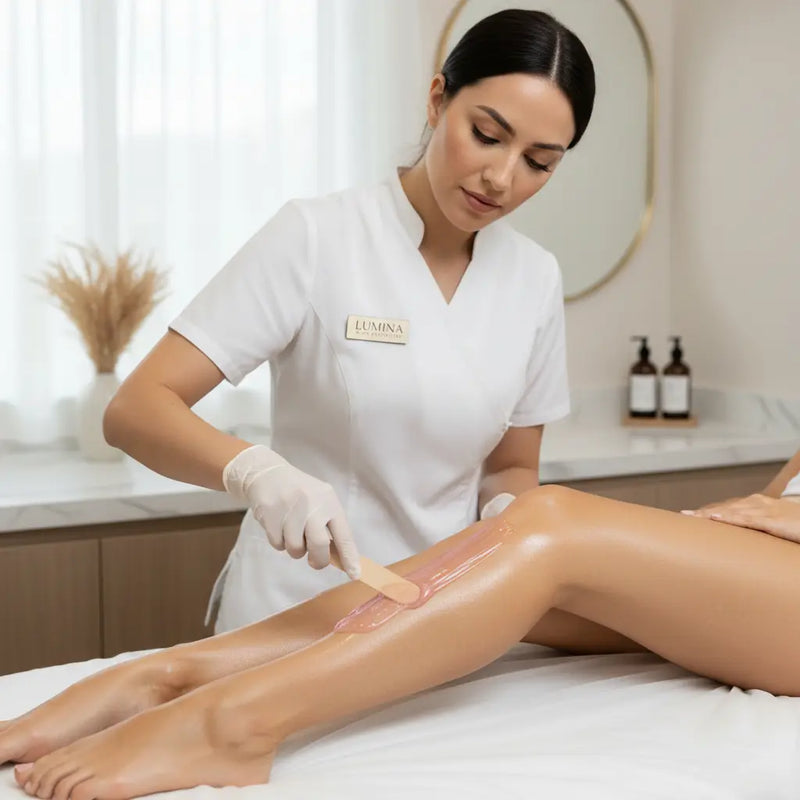



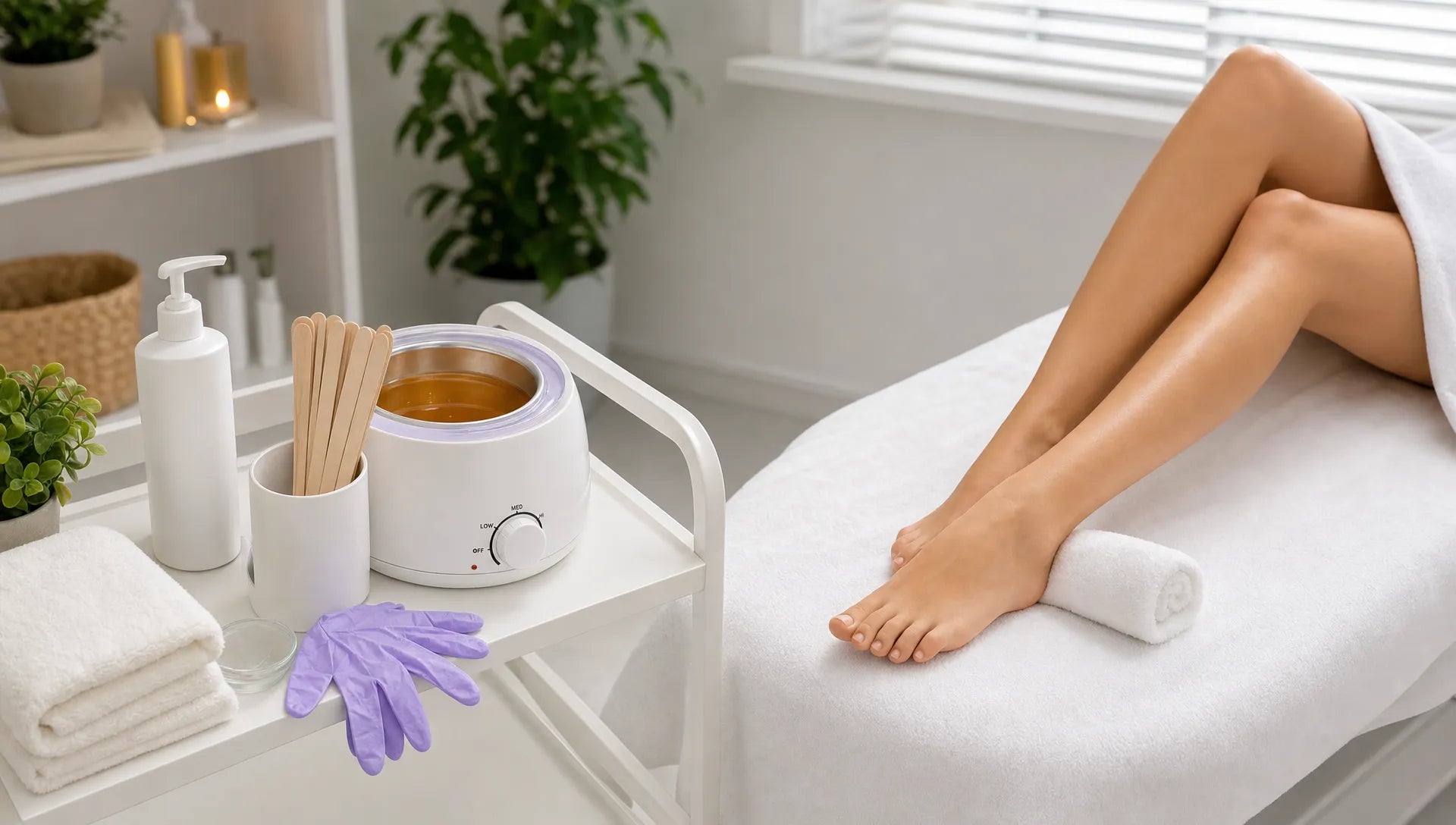
A full leg wax can leave skin feeling smoother for weeks, but the best results are not only about what happens on the treatment table. The way you prepare your skin, time your hair growth, and care for your legs afterward can make a noticeable difference in comfort, finish, and how evenly your results last.
If you are booking a full leg wax for a vacation, wedding, beach weekend, or simply because you prefer a low-maintenance beauty routine, a little planning helps the wax grip cleanly and reduces the chance of bumps, ingrown hairs, or irritation. This guide focuses specifically on full leg wax prep, with practical tips for legs from ankle to thigh, including tricky areas like knees, ankles, and the backs of the thighs.
What a full leg wax usually includes
A full leg wax typically removes hair from the ankles up through the thighs, including the front and back of the legs and the knees. Some spas may include the feet and toes, while others list those separately, so it is always worth confirming what is included when you schedule.
A full leg wax is different from a half leg wax, which usually focuses on either the lower legs or upper legs. It also does not usually include bikini-line waxing unless that service is booked separately. If you are preparing for an outfit, swimwear, or an event, sharing that context with your esthetician can help them tailor the service and make sure you are choosing the right option.
For a deeper look at why technique, skin support, and professional products matter, Lumina Skin Sanctuary has also covered how professional waxing services can feel better than many at-home methods.
Why prep matters for smoother, longer-lasting results
Waxing removes hair from the root, which is why legs often stay smoother longer than they do after shaving. But for wax to work well, the hair needs to be long enough for the wax to grip and the skin needs to be calm enough to tolerate the service.
When hair is too short, wax may not catch it evenly. When hair is too long, the service can feel more uncomfortable, and some hairs may break instead of being removed from the root. When skin is dry, sunburned, over-exfoliated, or coated in heavy lotion, the wax may not adhere properly, and irritation becomes more likely.
The American Academy of Dermatology notes that waxing should be avoided over irritated, sunburned, wounded, or recently treated skin, and that some skin care ingredients can make skin more sensitive to hair removal. If you use prescription topicals, retinoids, strong exfoliating acids, or medications that affect skin sensitivity or healing, check with your licensed professional or healthcare provider before waxing.
The ideal full leg wax prep timeline
The easiest way to prepare is to think in stages. Full leg waxing is not complicated, but timing matters.
| Timing | What to do | Why it helps |
|---|---|---|
| 2 to 3 weeks before | Stop shaving and let hair grow | Gives wax enough length to grip the hair cleanly |
| 1 week before | Moisturize daily and avoid sunburn | Keeps the skin barrier comfortable and flexible |
| 48 hours before | Gently exfoliate the legs | Helps lift dead skin and reduce trapped hairs |
| 24 hours before | Avoid heavy oils, body acids, and intense workouts if they irritate your skin | Helps keep skin calm before the appointment |
| Day of appointment | Arrive with clean, dry skin and wear loose clothing | Helps wax adhere and reduces friction after waxing |
If you only remember one rule, remember this: do not shave right before your appointment. A full leg wax works best when the hair is long enough to lie flat and be removed from the root.
Hair length: the detail that affects everything
For most people, the ideal hair length for a full leg wax is about one-quarter inch, roughly the length of a grain of rice. This usually means waiting about two to three weeks after shaving, although growth rate varies.
If your hair grows slowly, you may need a bit longer. If your hair grows quickly or is naturally coarse, you may be ready sooner. The goal is not maximum length. The goal is waxable length.
If your leg hair is much longer than half an inch, do not panic. Your esthetician can advise whether it should be trimmed. Avoid trimming it yourself unless you are confident, because cutting the hair too short can make the appointment less effective.
Consistent waxing can also make future appointments feel easier for some clients because hair grows in cycles. When you wax regularly and avoid shaving between appointments, more hairs may be removed at the right stage over time, which can support a smoother-looking result.
One week before: focus on hydration, not harsh exfoliation
The week before your full leg wax is the time to keep your skin balanced. Think soft, hydrated, and calm.
Use a gentle body moisturizer daily, especially after showering. Florida weather, air conditioning, sun exposure, and pool days can all leave skin drier than expected, even in humid climates like Babcock Ranch and nearby Punta Gorda. Hydrated skin is more flexible, which can make hair removal feel more comfortable.
This is also the week to be mindful of sun exposure. Waxing over sunburned skin is never a good idea. If your legs are red, hot, peeling, or tender from the sun, reschedule. Freshly burned skin is already inflamed, and waxing can worsen irritation or even damage the surface of the skin.
If you use body products with retinol, glycolic acid, lactic acid, salicylic acid, benzoyl peroxide, or strong exfoliating scrubs, ask your esthetician how long to pause them before waxing. Many people tolerate gentle products well, but stronger actives can make skin more reactive.
For a broader appointment checklist, Lumina’s guide on how to prep for waxing the right way walks through the basics that apply across different waxing services.
48 hours before: exfoliate gently
Gentle exfoliation is one of the best prep steps for a full leg wax because legs can develop dry patches around the knees, ankles, and shins. Dead skin buildup can trap hairs, making wax less effective and increasing the chance of ingrown hairs after the appointment.
Choose a gentle body polish, soft washcloth, or mild exfoliating mitt, and use light pressure. The goal is to smooth the surface, not scrub the skin raw. Avoid exfoliating over cuts, bug bites, razor burn, rashes, bruises, or sunburn.
Do not do your biggest exfoliation session on the morning of your wax. Same-day scrubbing can leave skin too sensitive. A gentle exfoliation 24 to 48 hours before the appointment is usually a better choice.
After exfoliating, moisturize your legs. Then, on the day of your appointment, skip lotion so the wax can adhere properly.
The day before: keep skin calm and simple
The day before a full leg wax is not the time to test a new body oil, self-tanner, exfoliating body serum, or fragranced lotion. New products can trigger sensitivity, and some formulas leave residue that interferes with wax.
If you plan to self-tan, schedule it after your waxing appointment, not before. Waxing can remove some surface color and create uneven patches. If you already have self-tanner on, let your esthetician know.
Try to avoid anything that leaves your legs irritated, overheated, or freshly abraded. That includes aggressive dry brushing, intense exfoliating gloves, long hot baths, and shaving missed spots. If you notice bumps or irritation the night before, mention it when you arrive.
The day of your full leg wax: arrive clean, dry, and comfortable
On appointment day, shower as usual and arrive with clean, dry legs. Skip body lotion, oils, shimmer products, heavy fragrance, and deodorizing body sprays on the legs. These can create a barrier between the wax and hair.
Wear loose, breathable clothing. Soft joggers, wide-leg pants, a flowy skirt, or a loose dress can help reduce friction after your wax. Tight leggings or skinny jeans may rub freshly waxed skin, especially around the knees and thighs.
If you are concerned about discomfort, eat a light meal beforehand and stay hydrated. Some clients choose to take an over-the-counter pain reliever before waxing, but only do this if it is safe for you and approved by your healthcare provider. Avoid arriving after alcohol, as it can make some people feel more sensitive and may increase flushing.
Most importantly, communicate. Tell your esthetician if you are new to full leg waxing, have sensitive skin, recently used active body products, have a low pain tolerance, or are preparing for a specific event. A professional can adjust pace, pressure, and aftercare recommendations based on your skin.

How to make your full leg wax last longer
Longer-lasting smoothness starts before the wax, but it continues after you leave the spa. The first 24 to 48 hours are the most important because the follicles are freshly exposed and the skin may be more sensitive.
Avoid hot showers, steam rooms, saunas, tanning beds, intense workouts, swimming pools, ocean water, and tight clothing right after waxing. Sweat, heat, friction, and bacteria can increase the risk of redness, bumps, and irritation.
Once your skin feels calm, resume gentle moisturizing. Hydrated skin supports a smoother feel as hair grows back. After a couple of days, gentle exfoliation can also help prevent trapped hairs, especially along the backs of the thighs and around the knees.
The biggest mistake is shaving between appointments. Shaving cuts the hair at the surface and can interrupt the waxing cycle, which may make your next appointment less smooth. If your goal is longer-lasting results, schedule regular waxing instead of switching back and forth between waxing and shaving.
For detailed post-treatment guidance, follow Lumina’s advice on how to care after waxing for smooth skin, especially if you are prone to redness or ingrown hairs.
Common full leg wax prep mistakes to avoid
Even small habits can affect your final result. If your past waxes have felt more uncomfortable than expected or did not last as long as you hoped, one of these prep mistakes may be the reason.
| Mistake | Better choice |
|---|---|
| Shaving a few days before waxing | Let hair grow to about one-quarter inch |
| Exfoliating aggressively the morning of | Exfoliate gently 24 to 48 hours before |
| Applying body oil before the appointment | Arrive with clean, dry skin |
| Waxing over sunburn or irritation | Wait until skin is fully healed |
| Wearing tight leggings afterward | Choose loose, breathable clothing |
| Shaving between waxes | Keep a consistent waxing schedule |
If you are unsure whether your skin is ready, ask before the service begins. It is always better to adjust timing than to wax skin that is not in good condition.
When to schedule a full leg wax before an event
For a major event, do not schedule your very first full leg wax the morning of. Even when waxing is done beautifully, some redness or sensitivity can happen, especially if your skin is reactive or your hair is coarse.
For vacations, weddings, photoshoots, or formal events, booking one to three days ahead is often a more comfortable window. This gives any temporary redness time to fade while still keeping legs smooth for the occasion.
If you are new to waxing and planning for a high-stakes event, consider starting earlier with a test appointment several weeks in advance. This helps you learn how your skin responds, how quickly your hair grows back, and what aftercare works best for you.
Frequently Asked Questions
How long should hair be for a full leg wax? Hair should usually be about one-quarter inch long, roughly the length of a grain of rice. If it is too short, wax may not grip it well. If it is too long, your esthetician can advise whether trimming is needed.
Should I exfoliate before a full leg wax? Yes, gentle exfoliation 24 to 48 hours before your appointment can help remove dead skin and reduce trapped hairs. Avoid harsh scrubbing or exfoliating on the same day, since that can make skin more sensitive.
Can I get a full leg wax if I have sunburn? No. Waxing over sunburned, peeling, irritated, or broken skin can worsen damage and discomfort. Wait until your skin is fully healed before waxing.
How long does a full leg wax last? Results vary by hair growth cycle, but many people enjoy smoother legs for several weeks. Regular waxing and avoiding shaving between appointments can help support more consistent results.
What should I wear after a full leg wax? Wear loose, breathable clothing that will not rub your legs. Tight leggings, denim, or compression fabrics can increase friction on freshly waxed skin.
Ready for smoother legs in Babcock Ranch?
A full leg wax is most successful when your skin is prepared, your hair is the right length, and your aftercare is simple and consistent. If you are in Babcock Ranch, Punta Gorda, Fort Myers, or the surrounding area, Lumina Skin Sanctuary offers professional waxing services in a calm, skin-focused setting.
To plan your next appointment or explore Lumina’s approach to healthy, radiant skin, visit Lumina Skin Sanctuary and prepare for smoother, longer-lasting results with confidence.


