


Typing “wax salon near me” is easy. Choosing the right place is the part that protects your skin.
Waxing is a legitimate skin procedure. Done well, it leaves you smooth, reduces daily shaving irritation, and can help keep texture feeling more refined. Done poorly, it can trigger burns, broken skin, folliculitis, ingrown hairs, and in sunny climates like Southwest Florida, even post-inflammatory hyperpigmentation (dark marks that linger).
Below is a practical, no-drama guide to green flags that signal a professional wax studio and red flags that should make you pause, ask questions, or walk out.
Why your “wax salon near me” choice matters more than convenience
A wax appointment is a fast service, but the consequences of bad technique can last weeks. The most common issues clients run into are preventable:
- Skin lifting or burns from overheated wax, poor technique, or waxing over compromised skin
- Breakouts or folliculitis from contaminated wax, dirty tools, or improper aftercare guidance
- Ingrown hairs from rushed removal, wrong direction, or no plan for exfoliation and friction
- Dark marks that are more likely after irritation plus sun exposure
Florida adds extra variables: higher humidity (more sweat and friction), more year-round UV, and more outdoor living. That means your wax studio should be especially strict about hygiene and aftercare.
The 2-minute pre-booking check (before you ever walk in)
Most bad experiences are visible before the appointment if you know what to look for.
Green flags online
- Clear licensing and professional identity: In Florida, salons and many practitioners are regulated through the state. If you want to verify a license, you can use the Florida DBPR license lookup tool (Florida DBPR license search).
- Specific service descriptions: Not just “waxing,” but what areas they treat, basic prep expectations, and who should postpone.
- Consistent reviews that mention cleanliness and comfort: Look for details like “explained aftercare,” “checked my products/meds,” “clean room,” “no rushing.”
- Policies that protect clients: Transparent rescheduling/cancellation rules, late policies, and guidance on when to postpone (sunburn, retinoids, illness).
Red flags online
- No verifiable business details: No address, no clear name, no licensing information, no consistent presence.
- Wildly inconsistent reviews: Especially complaints about sanitation, double-dipping, rashes, burns, or “felt unsafe.”
- Bargain pricing with no context: Everyone loves a deal, but if the price seems impossible, corners are often being cut on time, training, or hygiene.
If you want a deeper hygiene-focused checklist, Lumina Skin Sanctuary also shares a dedicated guide: Waxing Salon Checklist: What a Hygienic Setup Looks Like.
Green flags when you arrive (what pros do without being asked)
A truly professional wax studio looks calm and organized, not chaotic.

The room setup makes cross-contamination hard
The best studios design the space so hygiene happens naturally:
- A clean zone for unused supplies
- A used zone for anything that has touched skin
- Covered containers and organized drawers (less dust, less confusion)
- A visible plan for linen handling (fresh linens stored separately from used)
Hygiene behaviors are obvious
Cleanliness is not decor, it’s behavior. Green flags include:
- Hand washing or sanitizing at the start of the service
- Gloves used appropriately (and changed when needed)
- Single-use items treated as single-use
- Surfaces wiped down between clients
If any of those feel unclear, it is fair to ask how they handle disinfection. The U.S. Environmental Protection Agency explains what “registered disinfectant” means and why it matters for killing germs on surfaces (EPA: Disinfectants).
Green flags during the consultation (the best predictor of a good result)
If you remember one thing from this article, make it this: a good wax starts with screening.
A professional should ask about:
- Retinoids and acne medications (topicals, prescriptions, recent isotretinoin history)
- Recent peels, laser, sunburn, or heavy exfoliation
- Allergies and sensitivities (fragrance, adhesives, certain ingredients)
- History of ingrowns, folliculitis, or hyperpigmentation
- Your preferred level of hair removal and comfort boundaries
They do not need your whole life story, but they should be checking whether waxing is appropriate today.

The red flags that should make you pause or walk out
Some issues are “not my preference.” Others are “this can harm my skin.”
Here are the biggest red flags clients report after bad waxing experiences:
- No intake questions at all (especially if you mention sensitivity or prescriptions)
- Rushing: starting immediately, skipping skin prep, or dismissing concerns
- Poor wax handling: anything that suggests contaminated wax or sloppy technique
- Pressure or shaming: mocking pain, body comments, or pushing services you did not ask for
- Vague aftercare: “You’ll be fine,” with no guidance for heat, sweat, friction, or sun
- Hidden fees: surprise “add-ons” that were never explained
If something feels off, you are allowed to stop the service. Your skin is not the place to be polite.
Red flags vs green flags (quick comparison)
| What you notice | Green flag | Red flag |
|---|---|---|
| First interaction | Asks about meds, skin history, timing | Books you without any screening |
| Pace | Calm, methodical, explains steps | Rushed, dismissive, “in and out” |
| Cleanliness | Organized room, clear clean/used separation | Cluttered station, unclear sanitation |
| Communication | Checks comfort, explains aftercare | Minimizes pain, no aftercare guidance |
| Professional boundaries | Consent, privacy, respectful language | Body shaming, oversharing, inappropriate comments |
| Results expectation | Sets realistic timelines, talks maintenance | Promises “no ingrowns ever” or instant perfection |
The smartest questions to ask before booking (and what good answers sound like)
You do not have to interrogate anyone. Just ask a few questions that reveal their standards.
| Question | A reassuring answer usually includes | Be cautious if you hear |
|---|---|---|
| “Do you do a consultation or intake for first-time clients?” | Quick screening for meds, sensitivities, contraindications | “Not necessary” or “We just wax” |
| “What should I avoid before my appointment?” | Guidance on retinoids, exfoliation, sunburn, heat, workouts | No mention of skin-compromising factors |
| “How do you help reduce bumps and ingrowns?” | A plan (timing, friction control, gentle exfoliation later) | Only selling a product, no routine guidance |
| “What aftercare do you recommend in Florida heat?” | Sweat/friction guidance, sun advice, loose clothing tips | “Doesn’t matter” |
| “What if I’m very sensitive or prone to dark marks?” | Adjustments, patch test mindset, conservative approach | Dismissing pigmentation risk |
If you are specifically concerned about sensitivity, this guide may help you prepare: Waxing Tips for Sensitive Skin To Avoid Redness And Bumps.
Special situations: when a “good” wax salon will tell you to wait
A major green flag is hearing “Let’s reschedule.” Pros protect your skin first.
Consider postponing waxing if you have:
- Sunburn (even mild)
- Recently increased retinoids, strong acids, or intense exfoliation
- A fresh peel, laser, or aggressive facial treatment in the area
- Active infection, open skin, or a suspicious rash
If you are unsure, ask. A reputable studio will prefer a delayed appointment over a compromised barrier.
For bikini area specifics (prep, pain expectations, and what the first 48 hours should look like), you can also reference: Bikini Line Wax Guide: Prep, Pain, and Aftercare.
What a quality wax experience feels like (simple, respectful, professional)
A great appointment is not just “fast.” It is structured.
You should expect:
- A brief consult and clear confirmation of what you want removed
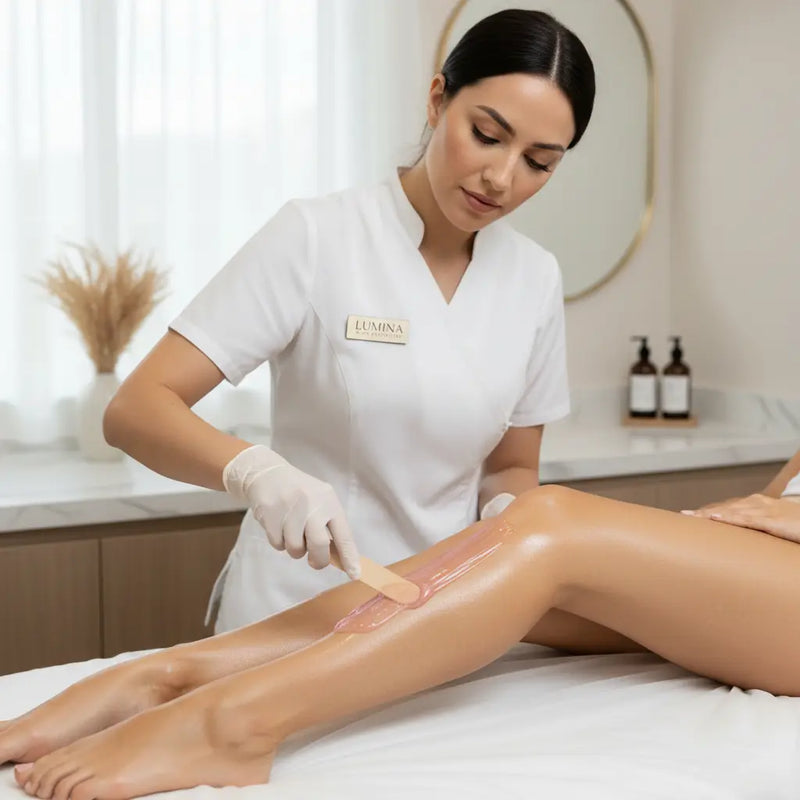
- Skin cleansing and appropriate prep before wax is applied
- Confident technique (less repeated pulling over the same spot)
- Calm check-ins about comfort
- Clear post-care instructions that match your lifestyle (workouts, beach time, heat)
If you are planning seasonal waxing, timing matters more than most people realize. This post breaks down common misconceptions: Spring Waxing Myths Debunked: What Really Matters for Results.
Frequently Asked Questions
Is it normal to be red after waxing? Mild redness or warmth can be normal right after waxing, especially in sensitive areas. It should gradually calm. Severe swelling, blistering, or worsening pain is not normal.
How do I know if a wax salon is actually clean? Look for behaviors, not decor: hand hygiene, single-use supplies, organized stations, and clear disinfection between clients. If you feel uncertain, ask how they disinfect surfaces and tools.
Can I wax if I use retinol or tretinoin? Many people need to pause certain topicals before waxing to reduce the risk of irritation or skin lifting. Because routines vary, disclose exactly what you use and follow your provider’s guidance.
What’s the biggest red flag when searching “wax salon near me”? A complete lack of screening. If no one asks about sunburn, actives, medications, or sensitivity, that is a sign the service may be treated as “one-size-fits-all.”
How soon can I go to the beach after waxing? Many clients do best avoiding intense heat and sun exposure right after waxing to reduce irritation and the risk of dark marks. Your wax professional should give you a clear, area-specific timeline.
Want a skin-first waxing experience in Babcock Ranch?
If you’re in or near Babcock Ranch, Florida and looking for a wax studio that treats hair removal like skin care, Lumina Skin Sanctuary offers professional waxing services alongside a holistic, client-education approach.
Explore Lumina Skin Sanctuary and book your visit at luminaskinsanctuary.com. If you want to vet a studio first, start with the hygiene guide: Hair Removal Salon: How to Choose a Clean, Safe Studio.


