


Choosing where to get waxed can feel surprisingly confusing. Many businesses use “wax studio,” “wax bar,” and “salon” interchangeably, yet the client experience (and the safety standards you’re actually paying for) can be very different.
If you’re searching for smoother skin with fewer bumps, less irritation, and a more comfortable appointment, it helps to understand what each type of business is designed to do.
What is a wax studio?
A wax studio is a service provider that specializes primarily (sometimes exclusively) in hair removal, usually waxing and occasionally sugaring or other methods. The main idea is focus: the space, scheduling, products, and staff training are built around consistent, repeatable waxing results.
In practice, a wax studio typically emphasizes:
- Standardized waxing protocols (prep, technique, aftercare)
- Faster appointment flow (because waxing is the core service)
- Privacy-forward setups for body waxing
- Strong hygiene controls specific to waxing (single-use items, no double-dipping, clean treatment zones)
What is a salon?
A salon is usually a broader, multi-service business. Many salons focus on hair (cuts, color, styling), while some also offer nails, skin services, and waxing as add-ons.
That “one-stop shop” format can be convenient, but it also means waxing may be just one of many services happening in the same environment, sometimes with less specialization.
A salon can still provide excellent waxing, especially when:
- Waxing is performed by a licensed esthetician with consistent experience
- The business follows strong sanitation procedures
- The service menu and aftercare education are clear and thorough
Wax studio vs salon: the key differences that matter
The biggest differences aren’t about branding, they’re about specialization, consistency, privacy, and process.
1) Specialization and technique consistency
In a dedicated wax studio, the provider usually performs waxing all day, every day. That repetition matters. The more consistently a provider waxes, the more skilled they tend to become at:
- Minimizing skin lifting and irritation
- Working efficiently without rushing
- Reducing breakage (which can make regrowth feel faster)
- Choosing the right wax type and temperature for the area
In a salon, waxing quality depends heavily on the individual provider and how often they perform waxing services.
2) Hygiene and infection-control habits
Waxing has unique hygiene risks: cross-contamination (especially from improper wax handling), folliculitis, and irritated or broken skin when technique is rushed.
A well-run wax studio often builds the entire room setup around waxing hygiene, including clear separation of clean vs. used items and single-use supplies.
A salon can be just as hygienic, but because it’s managing multiple service types, you should be extra attentive to how waxing-specific sanitation is handled.
If you want a detailed “what to look for” walkthrough, Lumina Skin Sanctuary has a helpful guide: Waxing Salon Checklist: What a Hygienic Setup Looks Like.

3) Privacy, comfort, and appointment flow
For intimate services (Brazilian, bikini, full body), a wax studio is often designed around privacy and comfort. That can include:
- Treatment rooms that feel more clinical and calm (instead of high-traffic)
- A consultation flow that normalizes questions and boundaries
- Providers who are used to first-time client nerves
Salons vary widely. Some have private rooms and a spa-like environment, others may feel busier or less specialized.
4) Consultation and contraindication screening
A great waxing experience starts before the wax is applied. A wax studio is more likely to have a standardized intake that screens for:
- Retinoids and exfoliating acids
- Recent chemical peels, lasers, or sunburn
- Skin infections, open lesions, or active irritation
- Sensitivity history (hives, fragrance reactions, eczema flares)
You should expect this screening anywhere you go. If it’s missing, consider it a red flag.
Related reading (especially if you’re reactive or bump-prone): Waxing Tips for Sensitive Skin To Avoid Redness And Bumps.
5) Aftercare education (the part that protects your results)
Many waxing complaints are really aftercare problems: sweat, friction, sun exposure, harsh products, and over-exfoliation too soon.
A strong wax studio experience typically includes clear aftercare and product guidance, because better aftercare means:
- Fewer ingrowns
- Less post-wax redness
- Lower risk of post-inflammatory hyperpigmentation
- Longer-lasting smoothness
For example, if you’re booking bikini services, prep and aftercare timelines matter a lot in Florida heat and humidity. This guide is a good reference: Getting a Bikini Wax: Prep, Pain, and Aftercare Timeline.
At-a-glance comparison table
| Category | Wax studio | Salon |
|---|---|---|
| Primary focus | Waxing and hair removal | Multi-service (often hair-first) |
| Provider repetition | Typically very high | Varies by salon and staff |
| Process consistency | Usually standardized | Can vary by provider and appointment type |
| Privacy design | Often optimized for body waxing | Varies (some private rooms, some less specialized) |
| Waxing hygiene setup | Built around waxing workflows | Can be excellent, but not always wax-specific |
| Aftercare education | Often a core part of the service | Varies by provider |
| Convenience | Best if you want waxing-only visits | Best if you want multiple services in one stop |
Which one should you choose?
The “best” choice depends on your skin, schedule, and how high-stakes the result is (vacation, photos, event season).
A wax studio is often the better fit if you:
- Are new to waxing and want a guided experience
- Get ingrowns, bumps, or irritation easily
- Want consistent results across multiple visits
- Are booking Brazilian, bikini, or full body services and prioritize privacy
- Need a provider who will screen your skincare routine carefully
A salon can be a good fit if you:
- Already have a trusted esthetician there who waxes frequently
- Prefer combining waxing with hair or nail appointments
- Want occasional, low-complexity waxing (like brows or lip) and the salon is known for strong sanitation
Here’s a quick decision table you can use.
| Your priority | Better fit (often) | Why |
|---|---|---|
| First-time Brazilian or bikini | Wax studio | More repetition, privacy-first flow, stronger prep and aftercare coaching |
| Sensitive skin or bump-prone | Wax studio | More likely to personalize wax choice and technique, plus clear aftercare |
| Convenience (hair + wax same day) | Salon | One location for multiple services |
| Brows only | Either | Choose the provider with consistent brow work and excellent hygiene |
| Event coming up soon | Wax studio | More predictable timing guidance (when to wax, what to avoid after) |
What to look for no matter where you book
Whether you choose a wax studio or a salon, the safety and quality signals are similar. The difference is how consistently you’ll see them.
Strong green flags include:
- Clear licensing and professional credentials displayed
- Hand hygiene before gloving, and glove changes when appropriate
- No double-dipping (a new applicator each time wax is touched)
- Clean room setup with single-use items ready (and used items contained)
- A real intake process that asks about retinoids, peels, sun exposure, and sensitivities
- Aftercare guidance given without you having to ask
If you want a client-friendly breakdown of what to avoid, see: Wax Salon Near Me: Red Flags and Green Flags to Look For.
Questions to ask before you book (especially for body waxing)
If you’re comparing places, these questions quickly reveal whether waxing is a core competency or an occasional add-on:
- “Who will be performing the wax, and are they licensed in Florida?”
- “Do you use hard wax, soft wax, or both for this area?”
- “What does your pre-wax skin prep include?”
- “How do you prevent cross-contamination during waxing?”
- “What should I avoid for the first 24 to 48 hours afterward?”
- “I use (retinol/acids/benzoyl peroxide). How should I adjust before my appointment?”
If the answers feel rushed, vague, or defensive, that’s useful information.
Florida-specific considerations (Babcock Ranch and Southwest Florida)
In hot, humid climates, post-wax irritation and discoloration can be more common, not because waxing is “worse,” but because the environment adds friction and heat.
Sweat and friction can trigger bumps
After waxing, follicles are more exposed. Tight clothing, workouts, and sweat can increase the chance of redness and folliculitis.
Plan your appointment so you can keep the area cool and low-friction for at least a day.
UV exposure can worsen dark marks
If your skin is prone to post-inflammatory hyperpigmentation, sun exposure after waxing can deepen discoloration. This is especially relevant in Florida where UV intensity is high most of the year.
Practical tip: avoid sunbathing and tanning beds right after waxing, and follow your provider’s advice on when it’s safe to resume sun exposure.
Skincare actives matter more than people think
Retinoids, strong exfoliants, and certain acne treatments can increase sensitivity and raise the risk of skin lifting. If you’re on a corrective skincare routine, book with a provider who screens carefully and gives clear pause-and-resume instructions.
This safety-first approach is also covered in Lumina’s guide: Hair Removal Salon: How to Choose a Clean, Safe Studio.
What a professional waxing appointment should feel like
Regardless of whether it’s labeled a wax studio or a salon, a professional appointment usually includes:
- A brief consultation and check-in about your skin and products
- Cleansing and prepping the skin
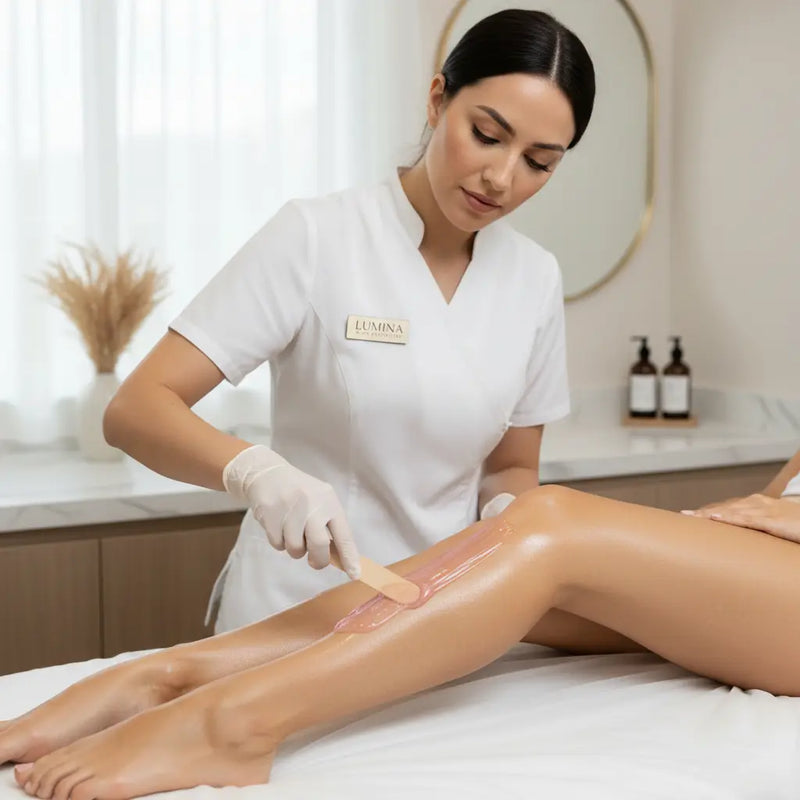
- Waxing with controlled technique and proper tension
- Tweezing only when needed (not as a substitute for rushed waxing)
- Soothing post-wax care and clear aftercare instructions
If you’re booking Brazilian services and want a detailed prep guide, Lumina has a step-by-step resource here: Getting Brazilian Wax: What to Expect and How to Prepare.

Frequently Asked Questions
Is a wax studio more hygienic than a salon? Not automatically. Many salons are extremely clean. The difference is that wax studios often build their entire workflow around waxing-specific hygiene (like wax handling and single-use supplies), so consistency can be higher.
Can salons do Brazilian waxes? Yes, many do. The key is whether the provider performs Brazilians regularly, screens for contraindications (like retinoid use), and follows strict hygiene practices.
Does hard wax or soft wax matter for choosing a provider? Technique and hygiene matter most. That said, many clients find hard wax more comfortable for sensitive areas because it adheres more to hair than skin, but suitability varies by person and area.
How often should I wax? Many people book every 3 to 5 weeks depending on hair growth rate and the area being waxed. Your provider can help you find a schedule that reduces breakage and improves long-term smoothness.
Can I wax if I use retinol or exfoliating acids? Sometimes, but you may need to pause them before waxing to reduce irritation risk. Don’t guess, tell your provider exactly what you use so they can give you safe timing guidance.
What should I avoid after waxing in Florida heat? For the first 24 to 48 hours, avoid heavy sweating, hot baths, tight friction-heavy clothing, and sun exposure on freshly waxed skin when possible.
Book with a skin-first waxing provider in Babcock Ranch
If you want a waxing experience that prioritizes hygiene, comfort, and healthy skin (not just hair removal), a dedicated, esthetician-led approach makes a difference.
Lumina Skin Sanctuary in Babcock Ranch offers professional waxing services within a skincare-focused environment. You can explore services and request an appointment through the site: Lumina Skin Sanctuary.
For extra support before your visit, you may also find these guides helpful:


