


TL;DR:
- LED facial treatment utilizes specific wavelengths of light to stimulate skin cells, reducing acne and supporting cellular repair. It is safe, painless, and offers gradual results in skin firmness, tone, and acne reduction with consistent sessions over several weeks. Proper wavelength selection and professional guidance maximize its effectiveness and safety.
LED facial treatment is a non-invasive light therapy that uses specific wavelengths of light to stimulate skin cells, reduce acne, and support anti-aging processes at the cellular level. The clinical term for this mechanism is photobiomodulation, a process where light energy activates mitochondrial function inside skin cells without heat or physical damage. Sessions are painless and require no downtime, making LED therapy one of the most accessible professional skin treatments available. Lumina Skin Sanctuary in Fort Myers incorporates medical-grade LED therapy into personalized treatment plans designed for the specific skin challenges of the local climate, including sun damage and humidity-driven breakouts.
What does LED facial treatment do at the cellular level?
Photobiomodulation is the biological process at the core of every LED facial treatment. Light energy at specific wavelengths penetrates the skin and activates mitochondrial enzymes inside skin cells. This activation increases ATP production, which is the energy currency cells use to repair tissue, synthesize collagen, and reduce inflammation. More cellular energy means faster, more efficient skin repair.
Dr. Muntasar explains that LED therapy primarily enhances mitochondrial ATP production, which energizes skin cells to repair and rejuvenate naturally. This is not a surface-level treatment. The light reaches fibroblasts, the cells responsible for collagen production, and triggers a biological response that builds healthier skin from within.
Different wavelengths reach different skin structures:
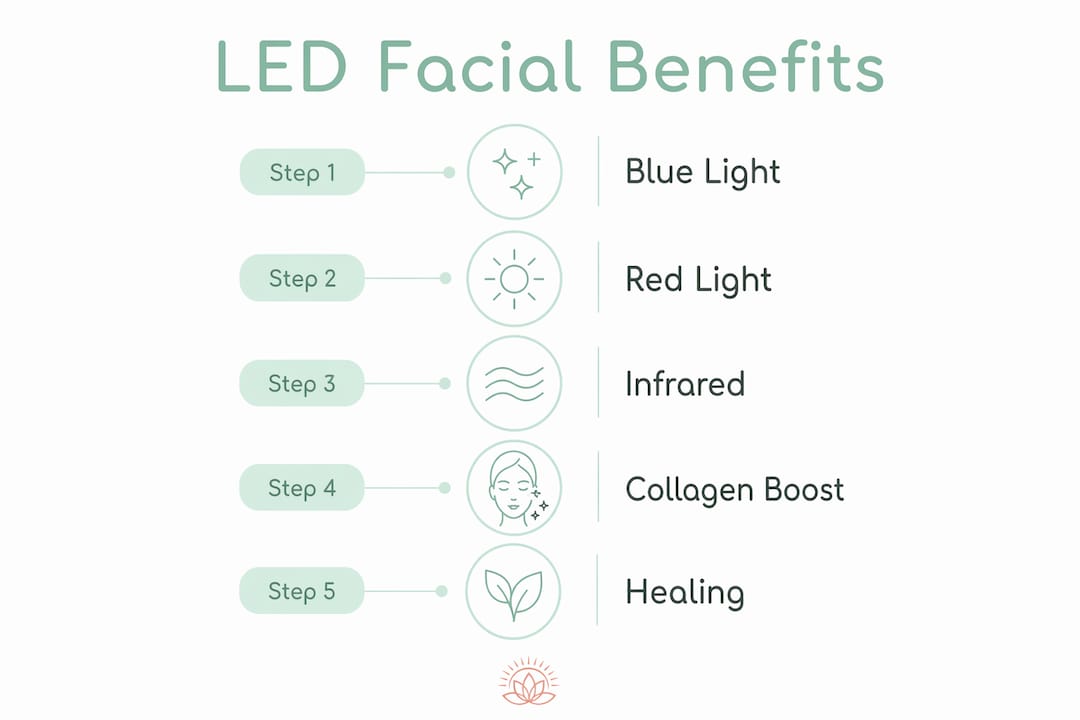
- Blue light (415–450nm): Targets the skin surface, where it destroys acne-causing bacteria.
- Red light (630–700nm): Penetrates deeper to activate fibroblasts and stimulate collagen synthesis.
- Near-infrared light (800–1100nm): Reaches the deepest layers to support tissue repair and cellular energy production.
Pro Tip: Selecting the correct wavelength for your skin concern is not optional. Successful LED therapy depends on matching the light color to the specific biological target, since each wavelength triggers a distinct cellular response.
What are the primary benefits of LED facial treatments?
LED facial therapy delivers measurable results across several skin concerns when applied consistently. The most well-documented benefit is acne reduction. Clinical studies show LED light therapy reduces inflammatory acne lesions by approximately 45% over four to eight weeks. That is a significant reduction for a treatment that requires no prescription and causes no skin irritation.
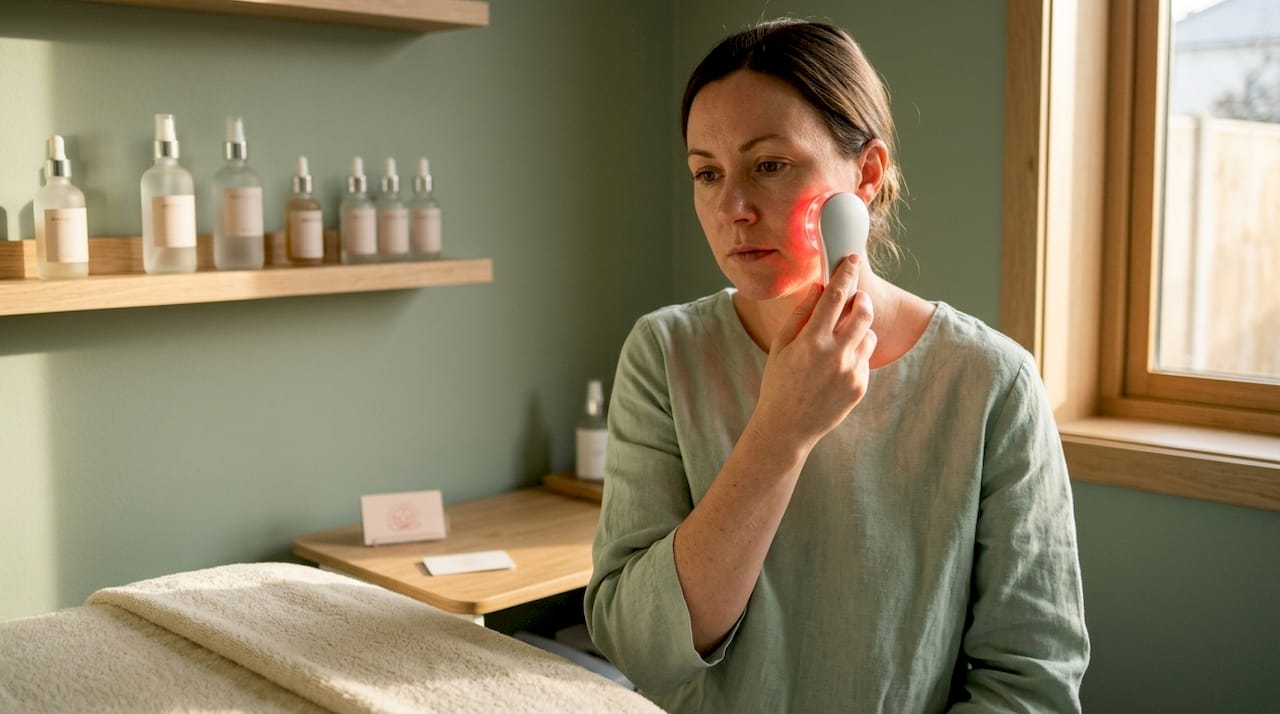
Collagen stimulation is the second major benefit. Red and near-infrared wavelengths activate fibroblasts, which produce the collagen and elastin that keep skin firm and smooth. Over time, this leads to reduced fine lines, improved skin tone, and a more even texture. The results are gradual and cumulative, not immediate.
LED therapy also increases circulation in treated tissue. Better blood flow speeds up the delivery of nutrients to skin cells and accelerates the removal of waste products. This is why LED treatments are commonly used after procedures like microneedling or chemical peels to enhance recovery and results.
Additional benefits include:
- Reduced redness and post-inflammatory pigmentation
- Improved overall skin brightness and quality
- Faster healing after professional skin procedures
- Reduced inflammation in sensitive or reactive skin
The anti-aging evidence for LED therapy is variable. Improvements in fine lines and skin tone are consistently reported, but effectiveness depends heavily on device parameters and how consistently treatments are applied. Skipping sessions or using underpowered equipment reduces results significantly.
Which LED light colors target which skin concerns?
Each LED color operates at a specific wavelength range and reaches a different depth in the skin. Choosing the right color is the single most important factor in treatment effectiveness. Different wavelengths penetrate to different depths and trigger distinct biological effects, which means a blue light session does not produce the same outcome as a red light session.
| LED Color | Wavelength Range | Primary Target | Key Benefit |
|---|---|---|---|
| Blue | 415–450nm | Skin surface, bacteria | Reduces acne-causing bacteria, controls breakouts |
| Red | 630–700nm | Fibroblasts, mid-dermis | Stimulates collagen, reduces fine lines |
| Near-infrared | 800–1100nm | Deep dermis, tissue | Supports repair, reduces deep inflammation |
| Yellow | ~590nm | Superficial vessels | May reduce redness (limited evidence) |
Blue light targets acne-causing bacteria on the skin surface, while red and near-infrared lights penetrate deeper to stimulate collagen and reduce inflammation. This is why many professional treatments combine two or more wavelengths in a single session to address multiple concerns simultaneously.
Yellow and white light options exist in some consumer devices, but the clinical evidence supporting their use is considerably weaker than the evidence for blue, red, and near-infrared wavelengths. Professional-grade systems focus on the wavelengths with the strongest research backing.
Pro Tip: If you are treating both acne and early signs of aging, a combination protocol using blue light followed by red light in the same session addresses both concerns without adding treatment time.
What should you expect from LED facial treatment results and timing?
A standard LED facial session lasts 15–30 minutes with no anesthesia and no recovery period. You can return to normal activities immediately after treatment. This makes it practical to schedule sessions regularly, which is exactly what consistent results require.
The timeline for visible improvements follows a predictable pattern:
- Weeks 1–3: Skin may feel calmer and less reactive. Redness and minor breakouts often reduce early.
- Week 6: Visible skin improvements like enhanced glow and improved skin quality become noticeable with consistent use.
- Week 12+: Clinical anti-aging results, including measurable changes in fine lines and skin firmness, require approximately 12 weeks of regular sessions.
The gap between professional and at-home devices is significant. Home-use LED devices have lower irradiance and fluence than professional-grade equipment, resulting in more subtle and slower outcomes compared to clinical treatments. Professional devices deliver more energy per session, which translates to faster and more noticeable results.
LED device costs range from approximately $77 for entry-level consumer models to thousands of dollars for professional dermatology-grade systems. The price gap reflects a real difference in output power and clinical reliability. At-home devices can maintain results between professional sessions, but they are not a substitute for clinic-grade treatment. Learning how to combine facial treatments with LED therapy can extend and deepen your results over time.
Are there precautions or limitations with LED facial treatments?
LED therapy has a strong safety profile. It produces no thermal damage, no UV exposure, and no physical trauma to the skin. Most people tolerate it well across all skin types. That said, specific conditions require professional assessment before starting treatment.
Key safety considerations:
- Melasma and darker skin tones: Individuals with melasma or darker skin need professional assessment before LED therapy due to the risk of aggravated hyperpigmentation from visible light exposure.
- Eye protection: Proper eye protection during every session is non-negotiable. LED light at therapeutic intensities can damage the eyes without proper shielding.
- FDA-cleared devices: Opt for FDA-cleared devices to ensure safe and consistent wavelength output. Unvetted devices may deliver inappropriate wavelengths or inconsistent power levels.
- Treatment frequency: Following the recommended session frequency matters. More sessions are not always better. Overuse can stress skin cells rather than energize them.
LED therapy is best used as a complementary treatment alongside standard skincare protocols and post-procedure recovery. Board-certified dermatologists consistently position it as an adjunct to enhance healing and reduce redness, not as a standalone cure for complex skin conditions. Setting realistic expectations from the start prevents disappointment and keeps you consistent with the protocol that actually delivers results.
Pro Tip: Always disclose any photosensitizing medications to your provider before starting LED therapy. Certain medications increase skin sensitivity to light and can affect how your skin responds to treatment.
Key Takeaways
LED facial treatment works through photobiomodulation, stimulating mitochondrial ATP production to drive collagen synthesis, reduce acne, and accelerate skin repair across multiple wavelengths.
| Point | Details |
|---|---|
| Core mechanism | Photobiomodulation activates mitochondria, increasing ATP to fuel collagen production and skin repair. |
| Acne reduction | Clinical studies show approximately 45% reduction in inflammatory acne lesions over four to eight weeks. |
| Results timeline | Visible glow improvements appear around week 6; anti-aging results require 12+ weeks of consistent sessions. |
| Wavelength selection | Blue light targets acne bacteria; red and near-infrared light stimulate collagen and reduce deep inflammation. |
| Professional vs. at-home | Professional devices deliver higher power and faster results; at-home devices are best used for maintenance. |
LED therapy works, but commitment is what makes it count
I have seen a lot of people come in expecting LED therapy to be a one-session fix. That expectation sets them up for frustration. The science is solid. The mechanism is real. But the results are cumulative, and skipping sessions is the fastest way to undermine the process.
What I find most valuable about LED therapy is its role as a recovery and maintenance tool. After a chemical peel or microneedling session, adding LED light dramatically reduces redness and speeds up healing. Clients who use it consistently between more intensive treatments maintain their results far longer than those who rely on single procedures alone.
The other misconception I run into regularly is the idea that a $100 at-home device delivers the same outcome as a professional treatment. It does not. The irradiance levels are not comparable. At-home devices have a place in a maintenance routine, but they cannot replicate what a clinical system delivers in a single session.
My honest recommendation is to start with a professional consultation. Understanding your specific skin concerns, your skin type, and the right wavelength combination for your goals makes every session more effective. LED therapy is not complicated, but it does require the right parameters applied consistently over time.
— Kira Tia
LED facial treatments at Lumina Skin Sanctuary in Fort Myers
Lumina Skin Sanctuary brings professional-grade LED light therapy to Fort Myers clients through personalized treatment plans built around your specific skin needs.
The Youth-Restore, Sculpting and Firming Series at Lumina Skin Sanctuary incorporates LED therapy alongside other medical-grade technologies to address anti-aging, firmness, and skin tone. Every client starts with an individualized consultation to identify the right wavelengths and treatment frequency for their skin type. Fort Myers clients dealing with sun damage, humidity-related breakouts, or uneven skin tone benefit from Lumina’s targeted approach. Sessions are non-invasive, relaxing, and require no downtime. Explore the full range of skincare services in Fort Myers and schedule your consultation to get a treatment plan built specifically for your skin.
FAQ
What does LED facial treatment do for acne?
LED facial treatment uses blue light at 415–450nm to destroy acne-causing bacteria on the skin surface. Clinical studies show it reduces inflammatory acne lesions by approximately 45% over four to eight weeks of consistent sessions.
How long does it take to see results from LED therapy?
Visible improvements in skin glow and quality typically appear within six weeks of consistent use. Anti-aging results, including changes in fine lines and skin firmness, require approximately 12 weeks of regular treatment.
Is LED facial treatment safe for all skin types?
LED therapy is generally safe across most skin types, but individuals with melasma or darker skin tones should consult a professional first. Visible light exposure can trigger or worsen hyperpigmentation in sensitive skin types without proper assessment.
How often should you get LED facial treatments?
Treatment frequency depends on the skin concern and device type. Professional sessions are typically scheduled weekly or biweekly, while at-home devices may be used more frequently at lower power levels. Following your provider’s recommended protocol produces the most consistent results.
What is the difference between professional and at-home LED devices?
Professional devices deliver significantly higher irradiance and fluence than consumer models, producing faster and more noticeable results. At-home devices are useful for maintaining results between clinic sessions but are not a substitute for professional-grade treatment.


