

The Role of Glycolic Acid Facials in Skin Renewal
Kira TiaTL;DR:
- Glycolic acid facials are professional treatments that exfoliate dead skin, stimulate collagen, and improve skin clarity. Proper application and regular sessions enhance skin texture, brightness, and hydration over time. They address pigmentation and mild acne concerns but require careful use, especially for darker skin tones, to avoid irritation or hyperpigmentation.
Glycolic acid facials are defined as professional chemical exfoliation treatments that use an alpha hydroxy acid (AHA) to dissolve dead skin cell bonds, stimulate collagen production, and improve skin clarity. Glycolic acid holds the smallest molecular size among all AHAs, which allows it to penetrate deeper than other acids and activate dermal fibroblasts to trigger collagen and elastin synthesis. The role of glycolic acid facials extends well beyond surface exfoliation. Clinical research confirms improvements in skin texture, pigmentation, and hydration after consistent treatments. Lumina Skin Sanctuary in Fort Myers, Florida, uses controlled glycolic acid protocols tailored to the specific challenges of the local climate, including sun damage and humidity-driven breakouts.
How do glycolic acid facials improve skin texture and brightness?
Glycolic acid facials improve skin texture by breaking the desmosomal bonds that hold dead skin cells together, a process called corneodesmolysis. When those bonds dissolve, the outermost layer of dull, damaged cells sheds faster. The result is a visibly smoother surface and a brighter, more even tone.

The benefits go deeper than the surface. 20% glycolic acid applied twice daily for three months significantly increases type I collagen mRNA and hyaluronic acid levels in skin biopsies. That means firmer skin and better moisture retention, not just a temporary glow.
Glycolic acid also acts as a humectant. It dissolves dead cell bonds while attracting moisture simultaneously, which explains why properly applied treatments hydrate rather than dry the skin. Many people expect peeling and tightness. What they get instead is softer, plumper skin after the initial session.
The structural benefits build over time. Consistent professional treatments yield visible texture and brightness improvements after the first session, with cumulative results developing over months. Each session reinforces the collagen response and accelerates cell turnover at a controlled rate.
Key mechanisms behind the improvement:
- Corneodesmolysis: Breaks bonds between dead skin cells for faster shedding
- Fibroblast activation: Stimulates collagen and elastin production in the dermis
- Hyaluronic acid increase: Boosts natural moisture retention in the skin
- Humectant action: Attracts water to the skin surface during treatment
- Penetration enhancement: Removes the dead cell layer so other actives absorb more effectively
Pro Tip: After a glycolic acid facial, apply a fragrance-free moisturizer within two minutes of cleansing. The skin absorbs actives faster immediately post-treatment, and locking in hydration at that moment extends the brightening effect.
For a broader look at how exfoliants compare to retinol in anti-aging results, the depth of glycolic acid’s fibroblast activation sets it apart from most surface-level options.
What pigmentation and acne concerns can glycolic acid facials address?
Glycolic acid facials address pigmentation by accelerating the shedding of melanin-rich cells and dispersing melanin clusters in the upper skin layers. Glycolic acid also slightly inhibits melanin synthesis, though the evidence for that mechanism is less conclusive than its exfoliating effect. The primary benefit for hyperpigmentation comes from faster cell turnover, not from blocking pigment production directly.
For melasma and post-inflammatory hyperpigmentation (PIH), glycolic acid facials work best as an adjunct to topical depigmenting agents. A randomized study of 120 patients showed that 35% glycolic acid peels combined with topical depigmenting therapy reduced pigmentation scores more than topical treatment alone over 12 weeks. The combination outperformed either approach used independently. Glycolic acid removes the dead cell barrier, which allows depigmenting creams to penetrate more effectively and deliver better results.
For acne, glycolic acid facials prevent comedonal buildup by removing dead cell accumulation that clogs pores. This makes them useful for mild to moderate acne as a supporting treatment. They do not replace targeted acne therapies for inflammatory or cystic breakouts. Understanding how oxidative stress triggers breakouts helps clarify why glycolic acid alone cannot resolve all acne types.
| Concern | Role of glycolic acid facials | Limitation |
|---|---|---|
| Melasma | Accelerates melanin shedding, enhances depigmenting agent absorption | Works best in combination, not as a standalone |
| Post-inflammatory hyperpigmentation (PIH) | Disperses melanin clusters, speeds cell turnover | Risk of irritation in darker skin tones if overused |
| Comedonal acne | Removes dead cell buildup, prevents pore clogging | Does not treat inflammatory or cystic acne |
| Mild to moderate acne | Supports pore clarity and reduces surface congestion | Adjunct therapy only, not a primary acne treatment |
Caution applies for people with darker skin tones. Overuse or high concentrations can increase PIH risk by triggering inflammation. Professional assessment before treatment is not optional for this skin type. It is the standard of care.
What is the professional application process and ideal frequency?
Professional glycolic acid facial treatments differ from at-home products in three controlled variables: pH level, acid concentration, and exposure time. Controlled professional application modulates all three to avoid the irritation and barrier disruption that commonly result from unsupervised use. A lower pH increases the acid’s activity. A professional adjusts this based on your skin type and tolerance, not a general formula.
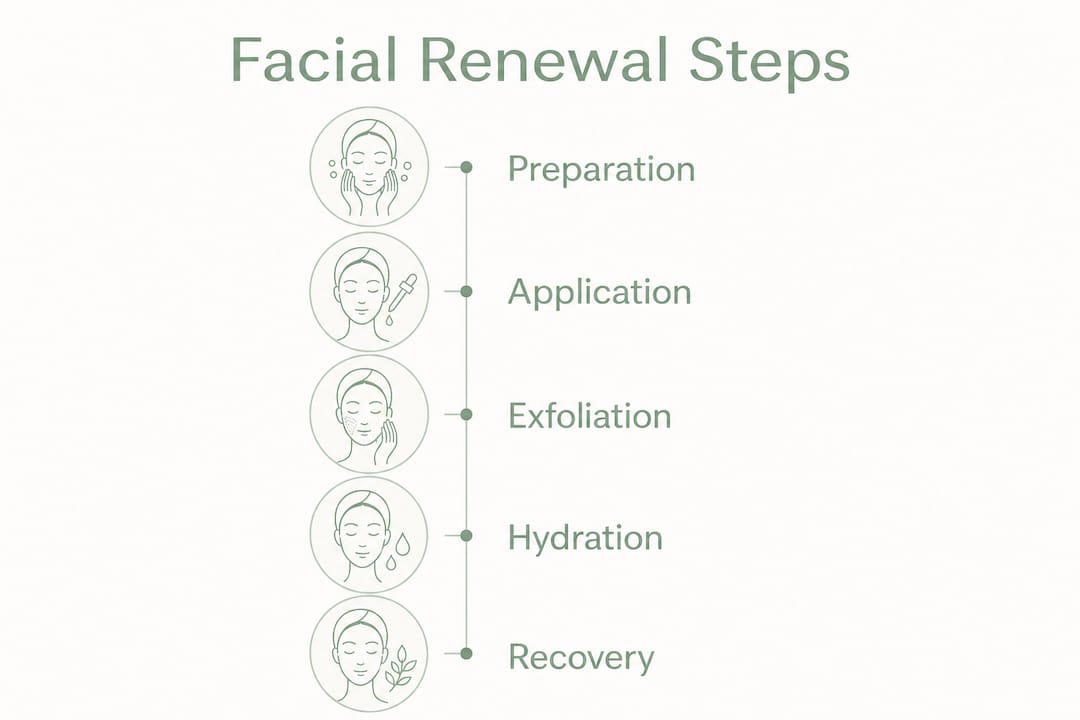
The typical professional process follows this sequence:
- Skin assessment: The provider evaluates skin type, sensitivity, and active concerns before selecting acid concentration.
- Cleansing: The skin is thoroughly cleansed to remove oils and product residue that would block even acid penetration.
- Acid application: Glycolic acid is applied in a controlled layer, with timing monitored carefully to prevent over-exfoliation.
- Neutralization: The acid is neutralized to stop activity at the right moment, protecting the skin barrier.
- Post-treatment care: A calming serum and SPF are applied to protect the freshly exfoliated skin.
Session spacing matters as much as the treatment itself. Scheduling sessions several weeks apart allows the skin to complete its renewal cycle before the next treatment. Rushing the schedule does not accelerate results. It increases the risk of barrier damage and sensitivity.
Common mild side effects include temporary redness and slight tightness. These resolve quickly, typically within a few hours. Significant peeling or prolonged redness signals that the concentration or frequency was too aggressive for that skin type.
Pro Tip: Tell your provider about any active retinol use before your appointment. Retinol increases skin sensitivity, and combining it with a glycolic acid facial without adjusting the protocol raises the risk of irritation.
The benefits of monthly professional facials align well with glycolic acid treatment cycles, making a regular schedule both practical and effective for long-term skin health.
How to safely incorporate glycolic acid facials into a Fort Myers skincare routine
Fort Myers presents specific skin challenges. Year-round sun exposure accelerates surface damage and pigmentation. Humidity drives breakouts in people prone to congestion. A glycolic acid facial treatment addresses both concerns directly, but aftercare determines how well the results hold.
Post-facial care priorities for Fort Myers skin:
- Daily SPF application: Freshly exfoliated skin has no protective dead cell layer. Broad-spectrum SPF 30 or higher is non-negotiable after any glycolic acid treatment.
- Gentle cleanser only: Avoid active ingredients like benzoyl peroxide or salicylic acid for at least 48 hours post-treatment. The skin barrier needs recovery time.
- Fragrance-free moisturizer: Supports barrier repair and locks in the hydration boost from the treatment.
- No additional exfoliants: Do not layer scrubs, AHA toners, or BHA products in the days following a professional facial. Over-exfoliation compounds sensitivity.
- Hydrating serums: Hyaluronic acid serums applied post-facial extend the treatment’s moisture benefits and support the collagen-building process.
Glycolic acid also improves the absorption of other actives by clearing the dead cell layer. Vitamin C serums and niacinamide penetrate more effectively after a glycolic acid facial. This makes the treatment a practical first step in a multi-active skincare plan.
For a complete guide to post-facial skincare steps that protect your results, Lumina Skin Sanctuary outlines the exact recovery protocol used after professional treatments. The Florida skin treatment checklist also covers scheduling strategies specific to the local climate.
Key Takeaways
Glycolic acid facials deliver lasting skin improvement through controlled exfoliation, collagen stimulation, and enhanced absorption of other skincare actives, with professional application and consistent scheduling as the foundation of safe, effective results.
| Point | Details |
|---|---|
| Deepest-penetrating AHA | Glycolic acid’s small molecular size activates dermal fibroblasts for collagen and elastin production. |
| Combination therapy for pigmentation | 35% glycolic acid peels combined with topical depigmenting agents outperform either treatment used alone. |
| Professional control is critical | Adjusting pH, concentration, and timing prevents barrier damage and over-exfoliation. |
| Acne and pore support | Glycolic acid prevents comedonal buildup but works as an adjunct, not a standalone acne cure. |
| Sun protection is mandatory | Daily SPF after treatment protects newly exposed skin, especially in high-UV climates like Fort Myers. |
What I’ve learned from watching people over-exfoliate
By Kira Tia
The most common mistake I see is treating glycolic acid like a fast fix. People book one session, expect dramatic results in a week, and then push for higher concentrations or more frequent treatments when the results feel slow. That approach almost always backfires.
The real improvement from glycolic acid facials comes from steady, gentle cell turnover, not aggressive peeling. Skin that gets over-exfoliated becomes red, reactive, and more prone to pigmentation, which is the opposite of what most people are trying to fix. I have seen clients arrive with compromised barriers from at-home acid overuse, and rebuilding that barrier takes longer than the original concern would have.
Glycolic acid is also not a complete skincare plan on its own. For melasma, it works best alongside a depigmenting agent. For acne, it supports pore clarity but does not address the root causes of inflammatory breakouts. Understanding cellular health and skin renewal puts glycolic acid in its proper place: a powerful tool within a broader plan, not a replacement for one.
For anyone in Fort Myers dealing with sun damage or congestion, professional guidance is the most direct path to results. The climate here accelerates skin concerns faster than most people realize. Controlled, routine-level treatment with proper aftercare consistently outperforms any aggressive single session.
— Kira Tia
Glycolic acid facials at Lumina Skin Sanctuary
Lumina Skin Sanctuary in Fort Myers offers professional glycolic acid facial treatments calibrated to your skin type, sun exposure history, and specific concerns.
The Deep-Cleansing Acne Facial uses controlled exfoliation to clear congestion, improve texture, and support skin renewal with minimal downtime. For clients addressing sun damage, the Sun-Damage Brightening Facial series pairs glycolic exfoliation with targeted brightening to reduce pigmentation from Florida’s year-round UV exposure. The Galvanic Current Add-On enhances product absorption post-facial, extending the hydration and brightening benefits of each session. Every treatment at Lumina includes a skin assessment and aftercare guidance specific to your routine.
FAQ
What is glycolic acid and why is it used in facials?
Glycolic acid is an alpha hydroxy acid derived from sugar cane with the smallest molecular size among AHAs. Its small size allows it to penetrate deeper into the skin, where it breaks dead cell bonds, stimulates collagen, and increases hyaluronic acid levels.
How often should you get a glycolic acid facial?
Professional glycolic acid facials are typically scheduled several weeks apart to allow the skin to complete its renewal cycle between sessions. Spacing treatments correctly prevents barrier damage and allows cumulative results to develop safely.
Can glycolic acid facials help with acne?
Glycolic acid facials help prevent comedonal acne by removing dead cell buildup that clogs pores, making them a useful adjunct for mild to moderate acne. They do not treat inflammatory or cystic acne on their own.
Is glycolic acid safe for darker skin tones?
Glycolic acid facials can be used on darker skin tones, but professional assessment is required before treatment. Overuse or high concentrations increase the risk of post-inflammatory hyperpigmentation in deeper skin tones.
What is the difference between glycolic acid and salicylic acid for skin?
Glycolic acid is a water-soluble AHA that exfoliates the skin surface and stimulates collagen, making it effective for texture, brightness, and pigmentation. Salicylic acid is an oil-soluble BHA that penetrates pores directly, making it better suited for active breakouts and oily skin congestion.